Roof Replacement & Dead Valley Repair in Kensington, NH | GAF Timberline Weathered Wood
September 2026
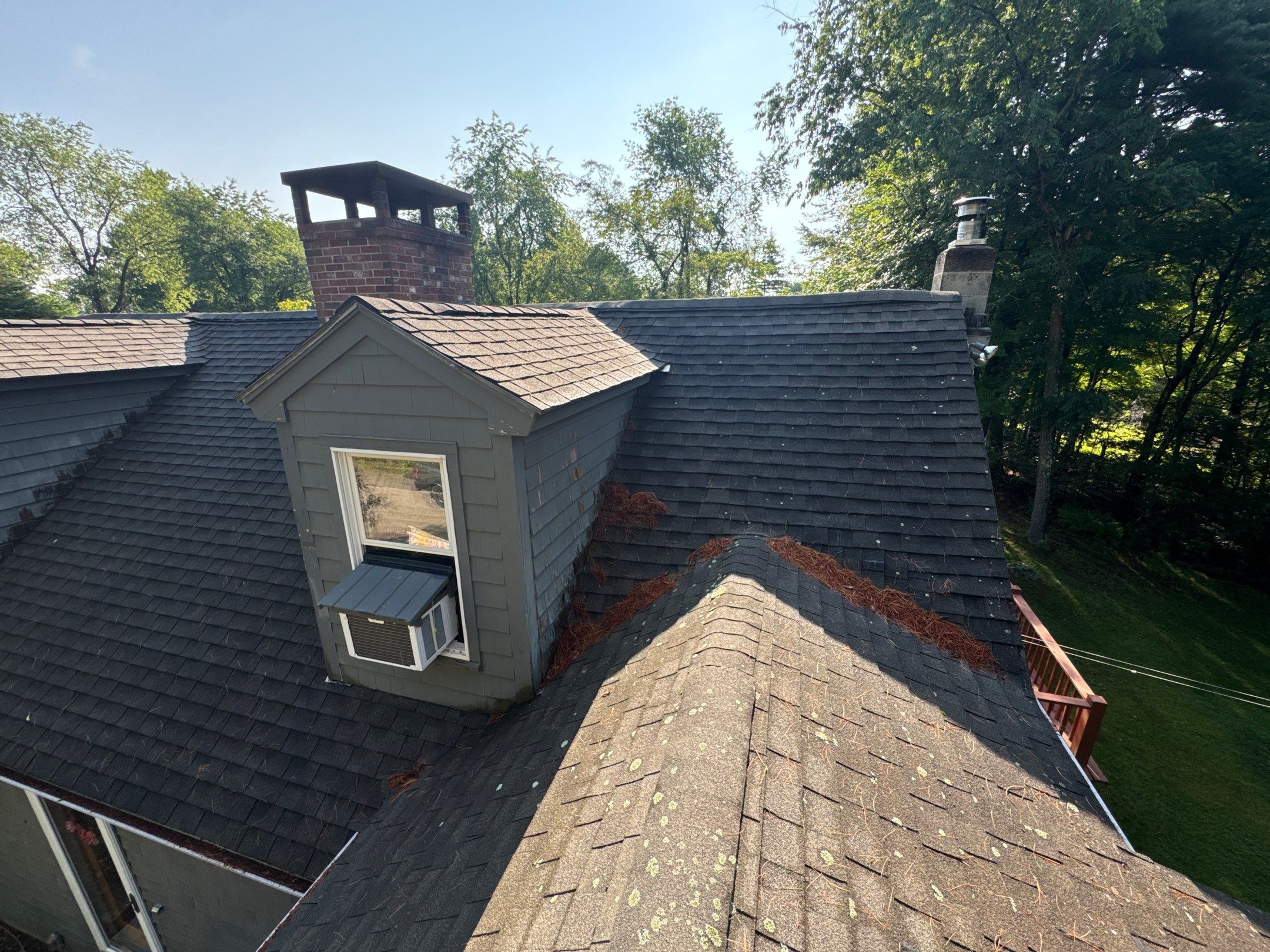
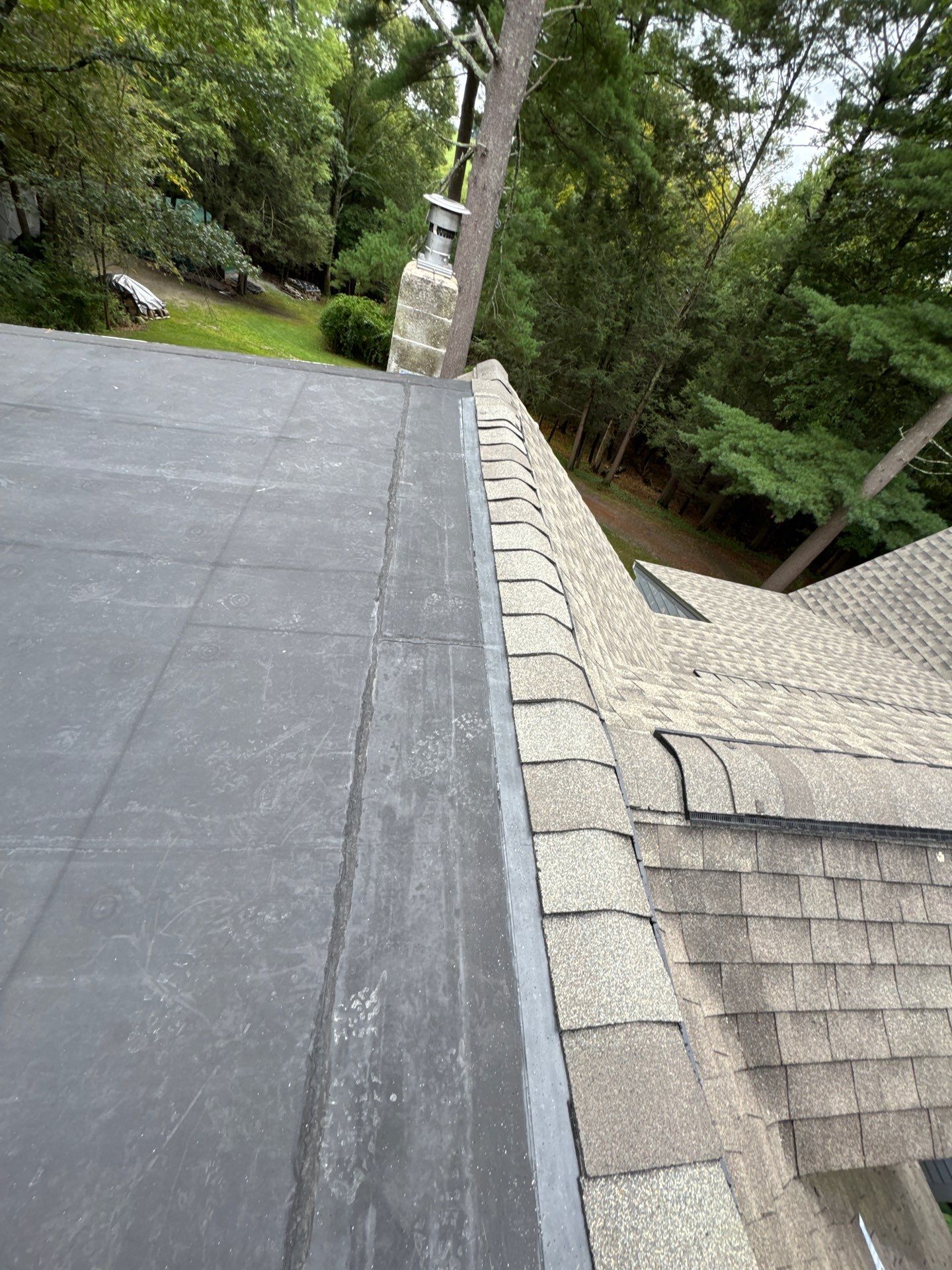
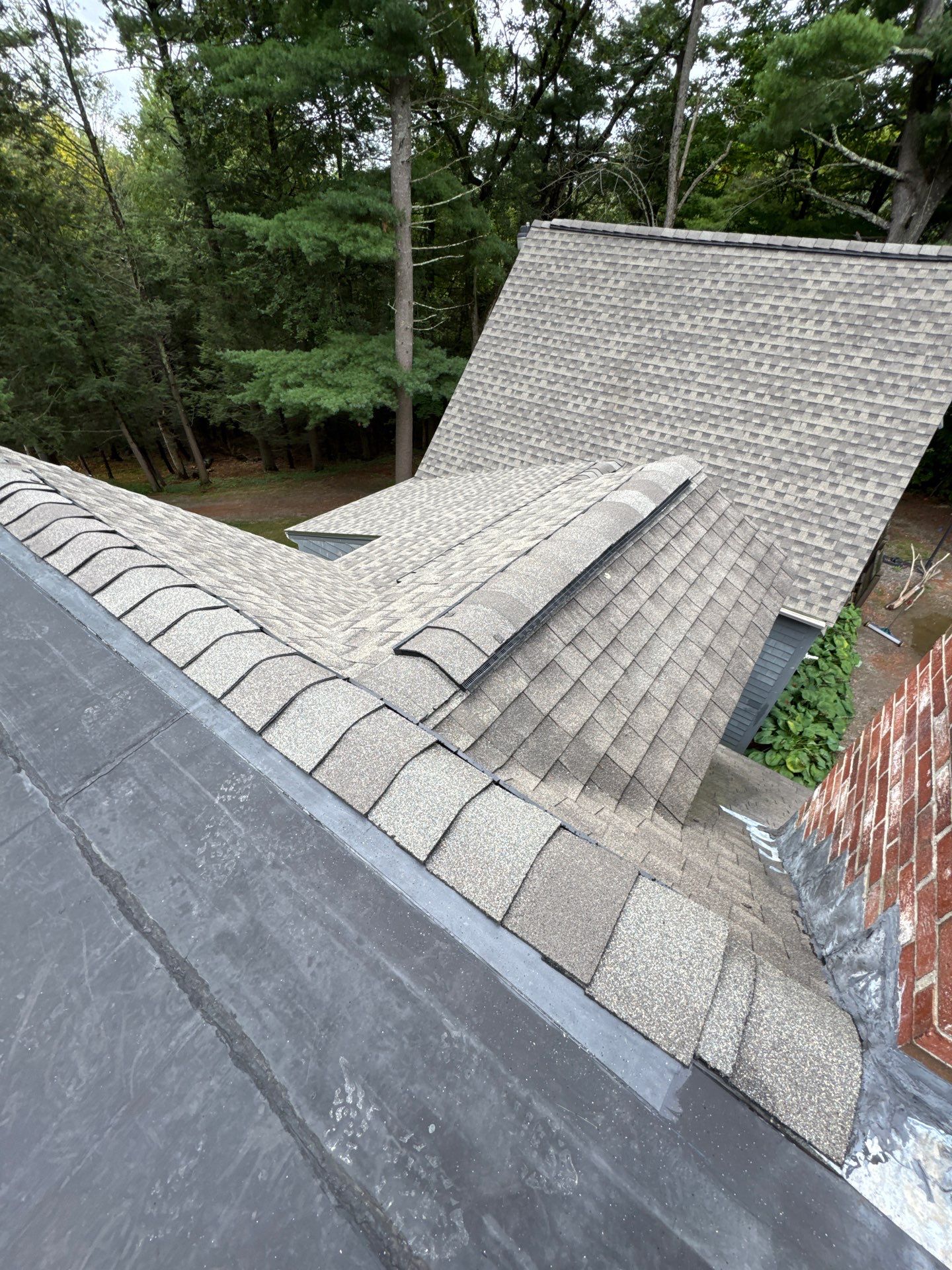
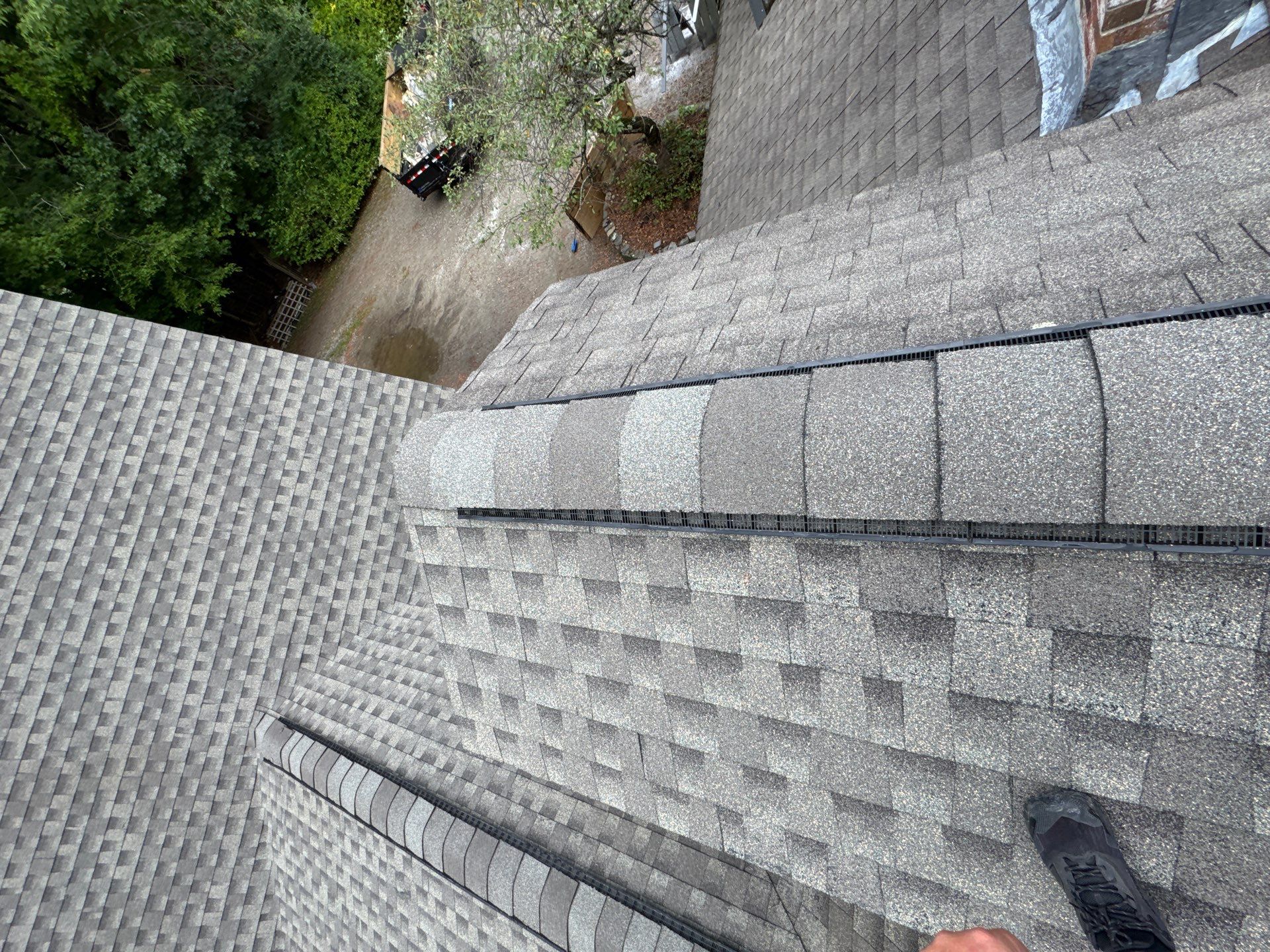
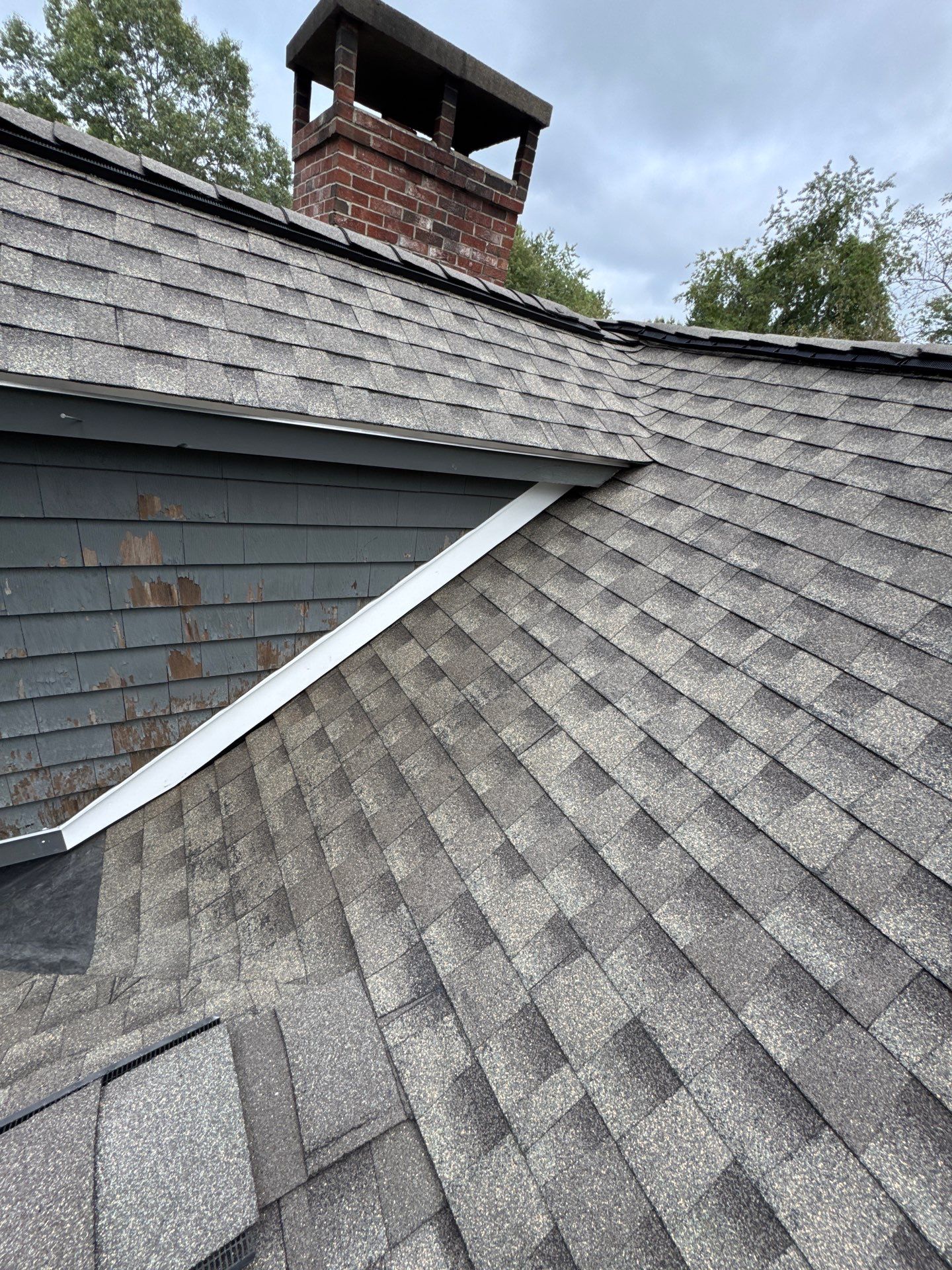
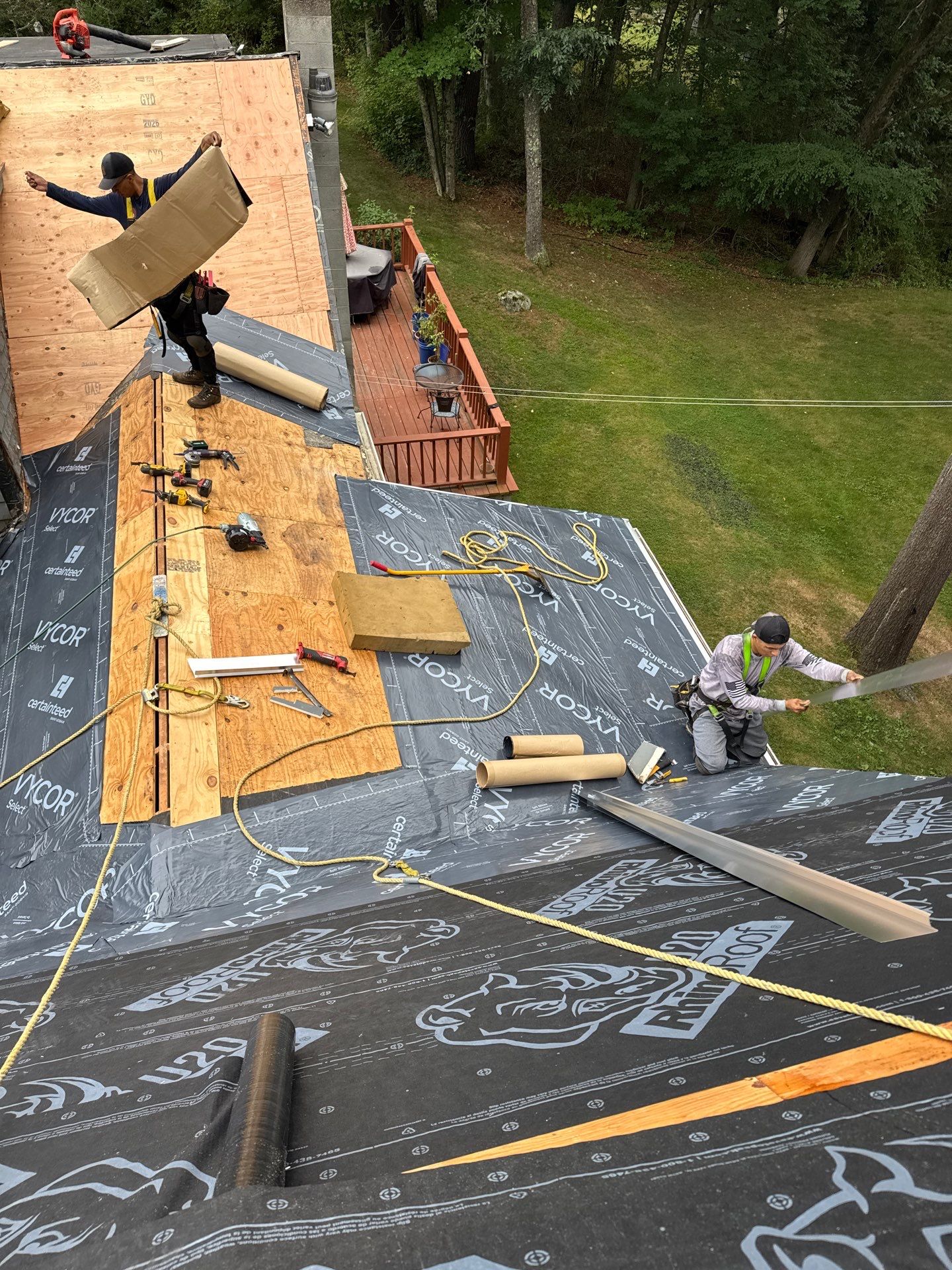
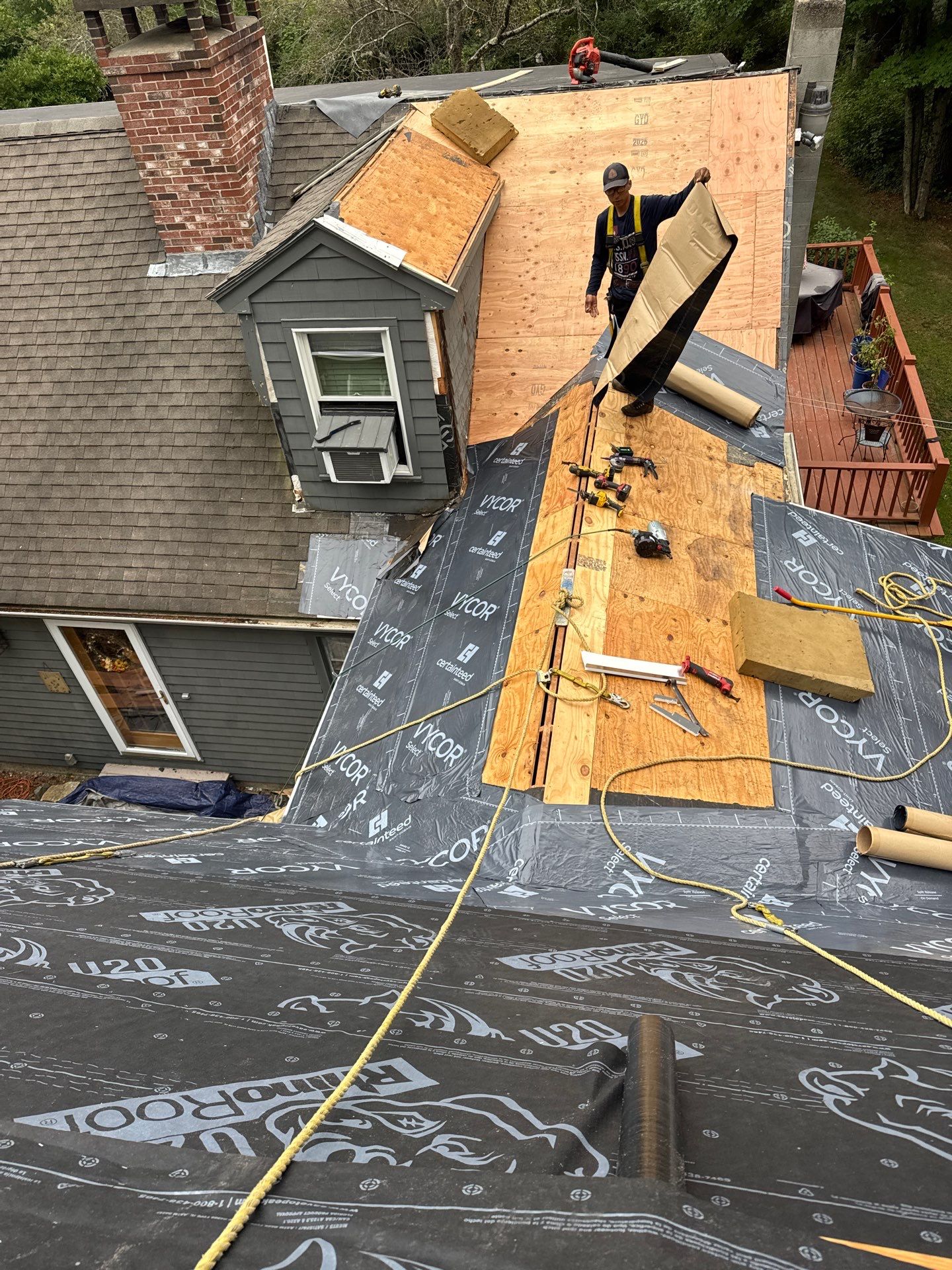
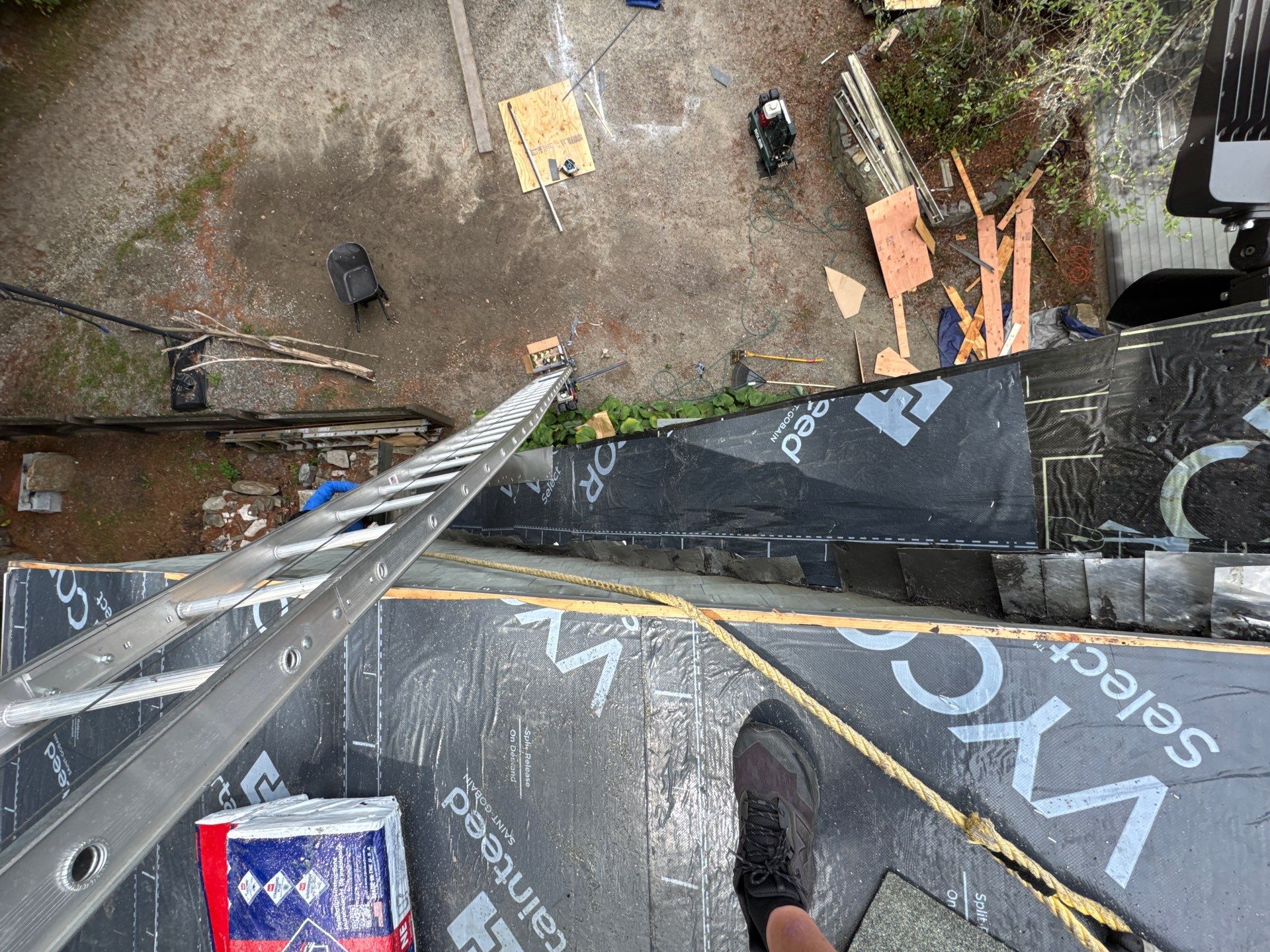
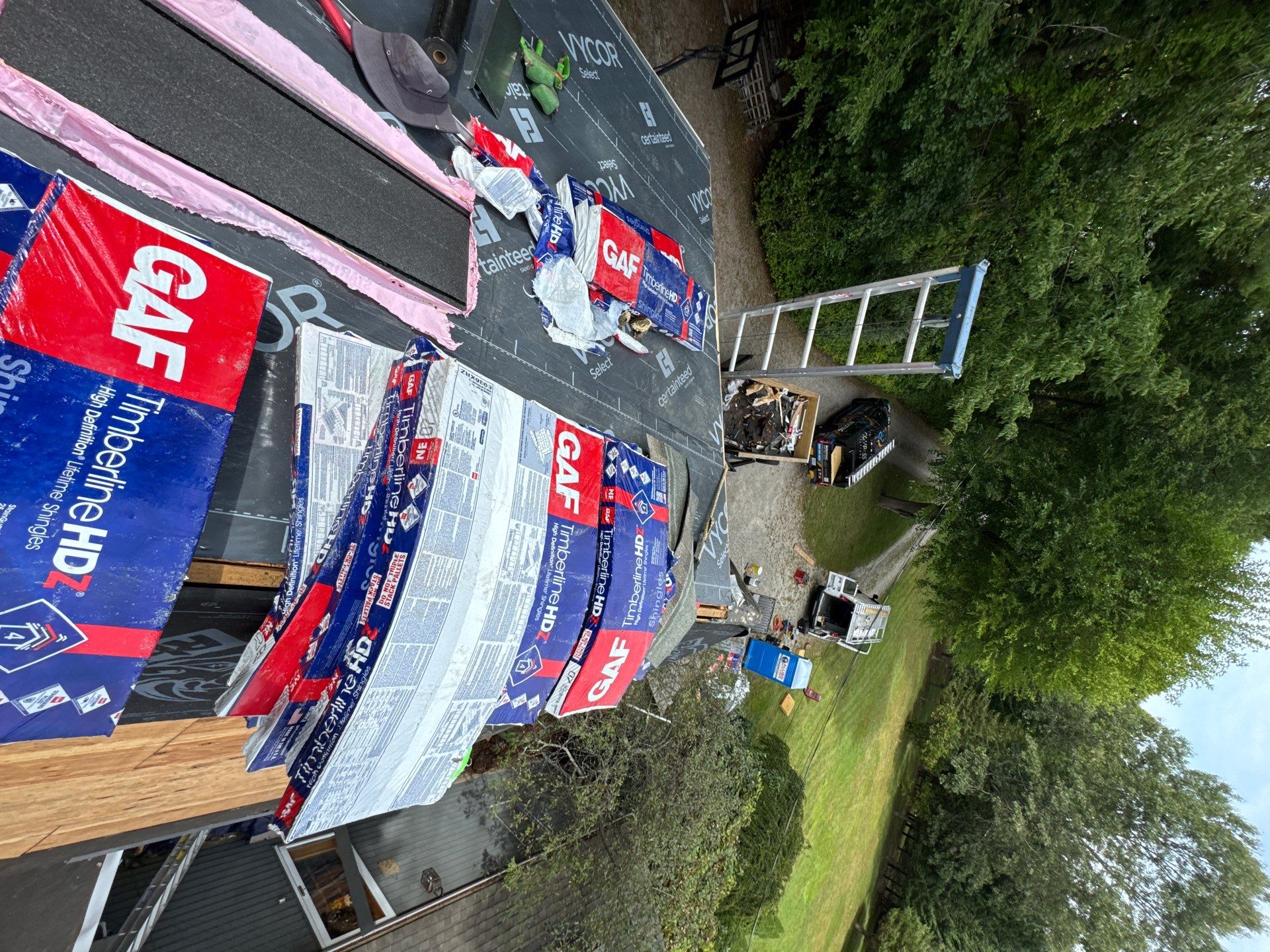
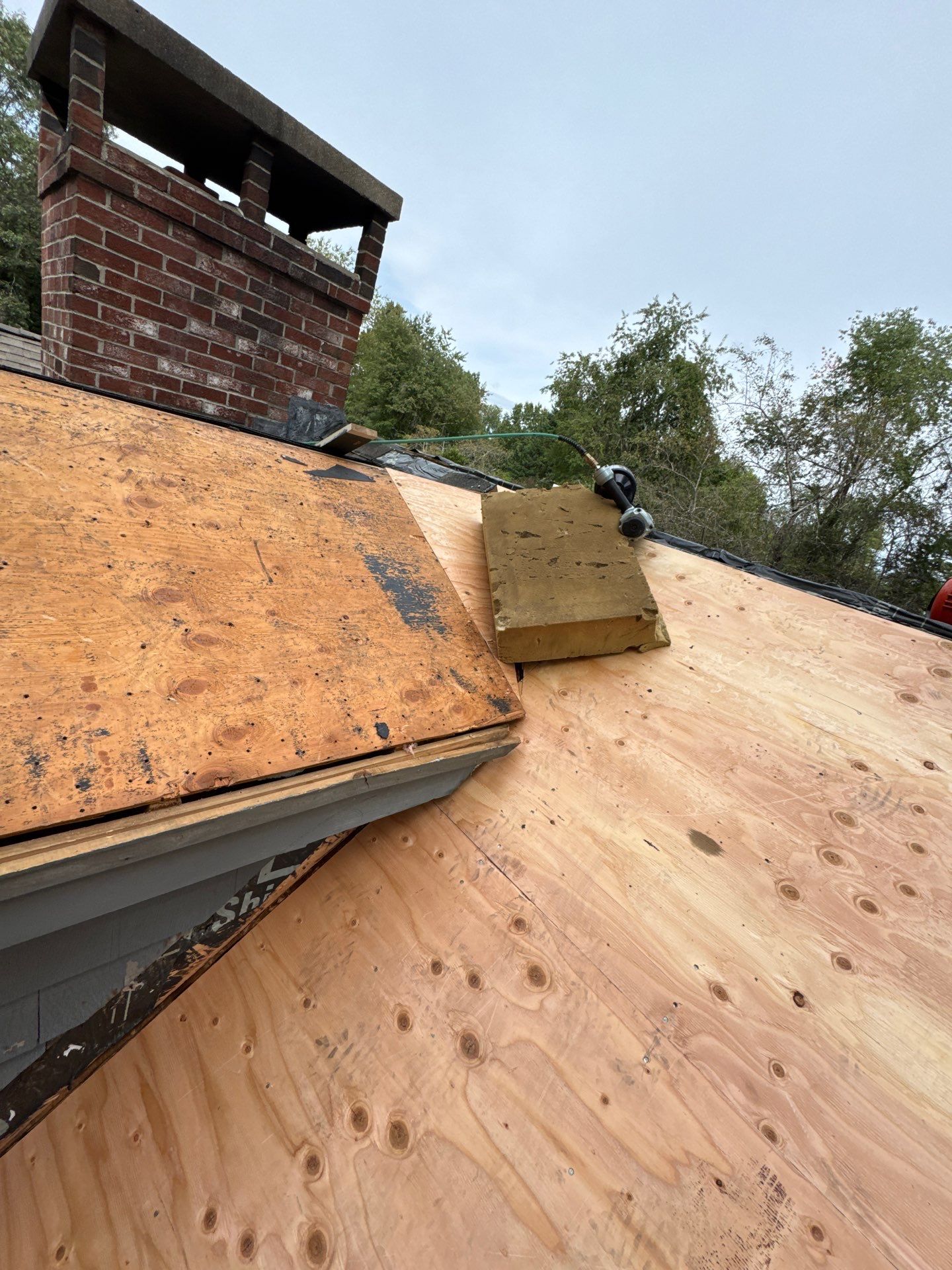
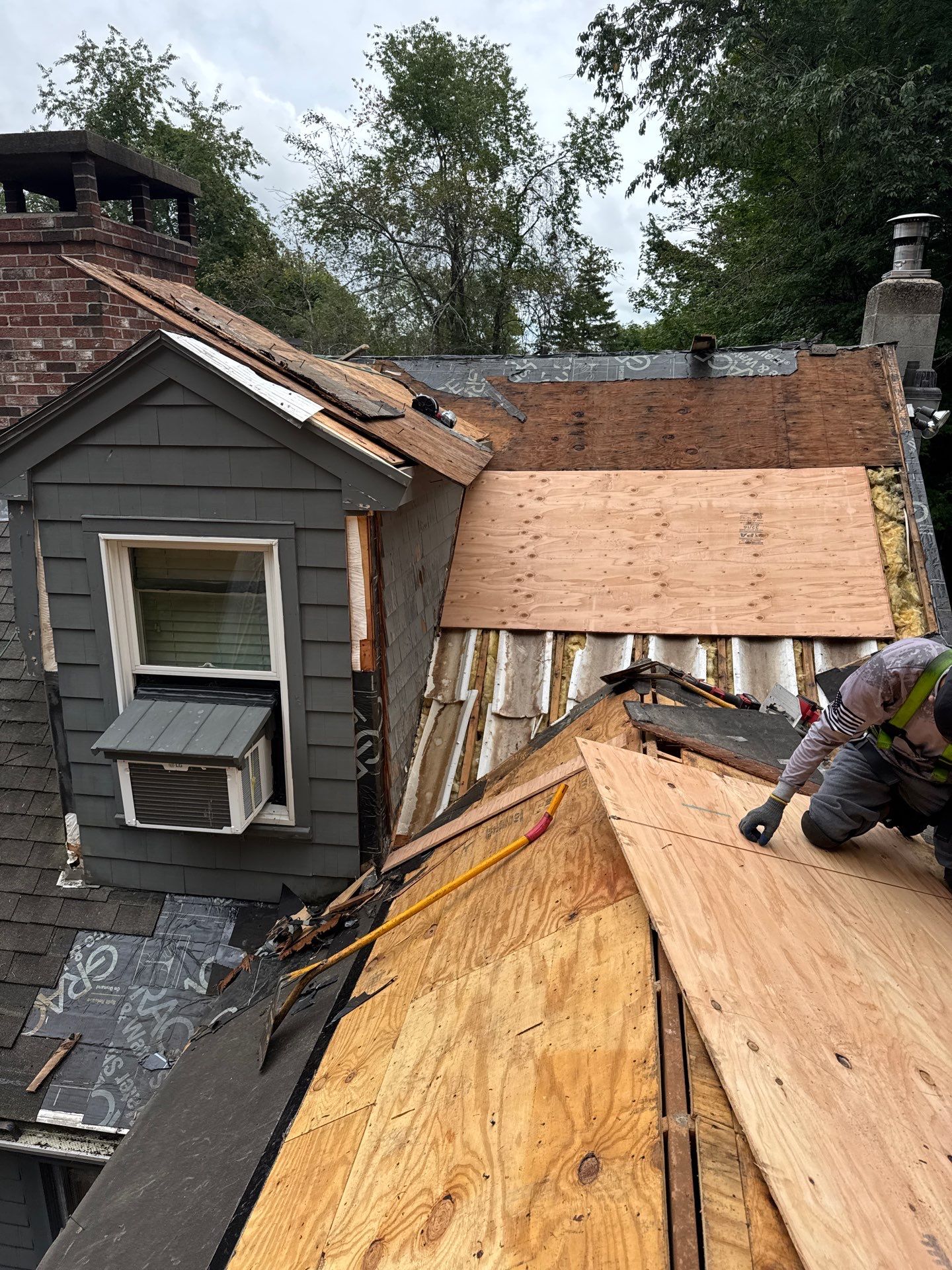
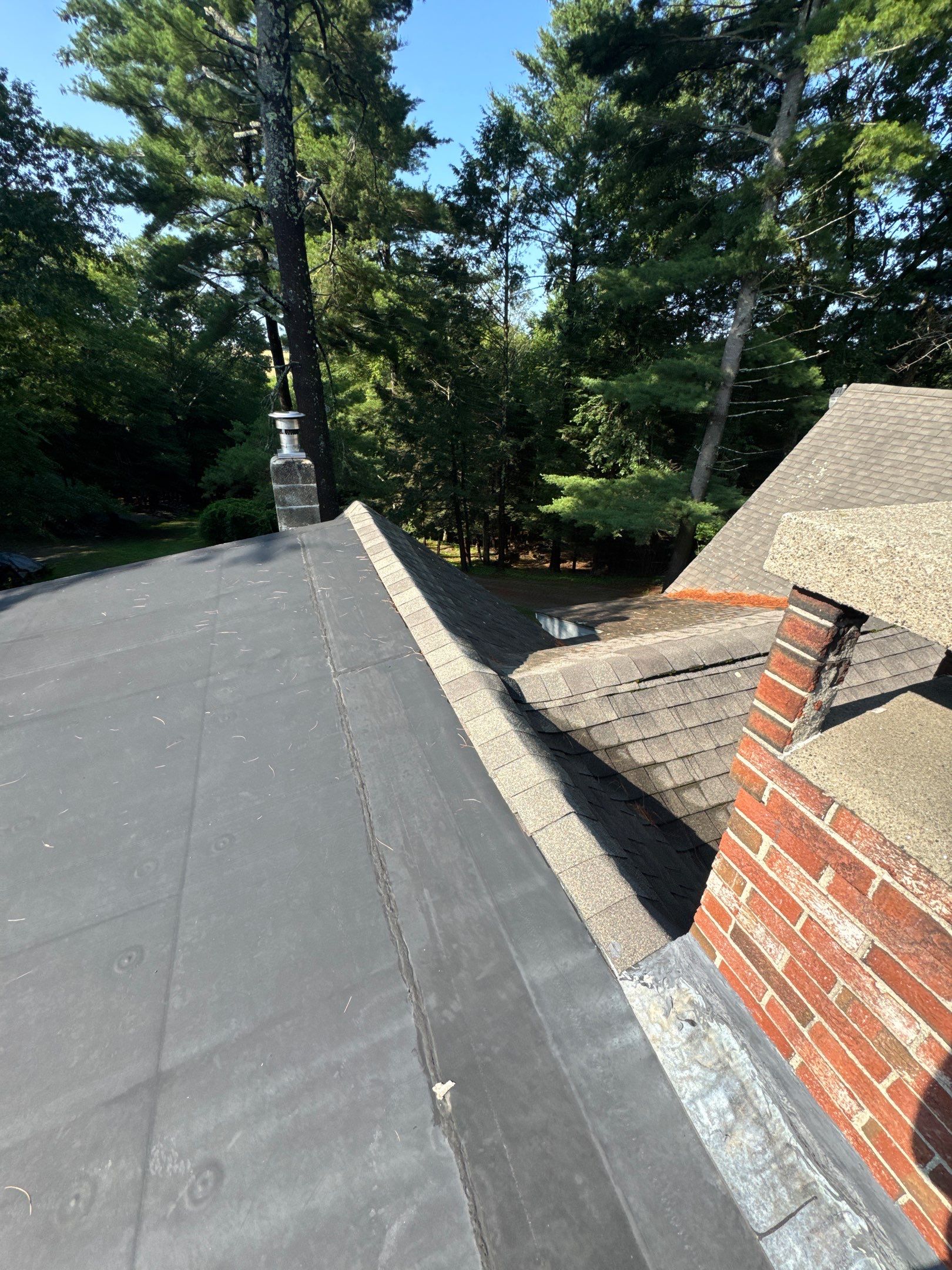
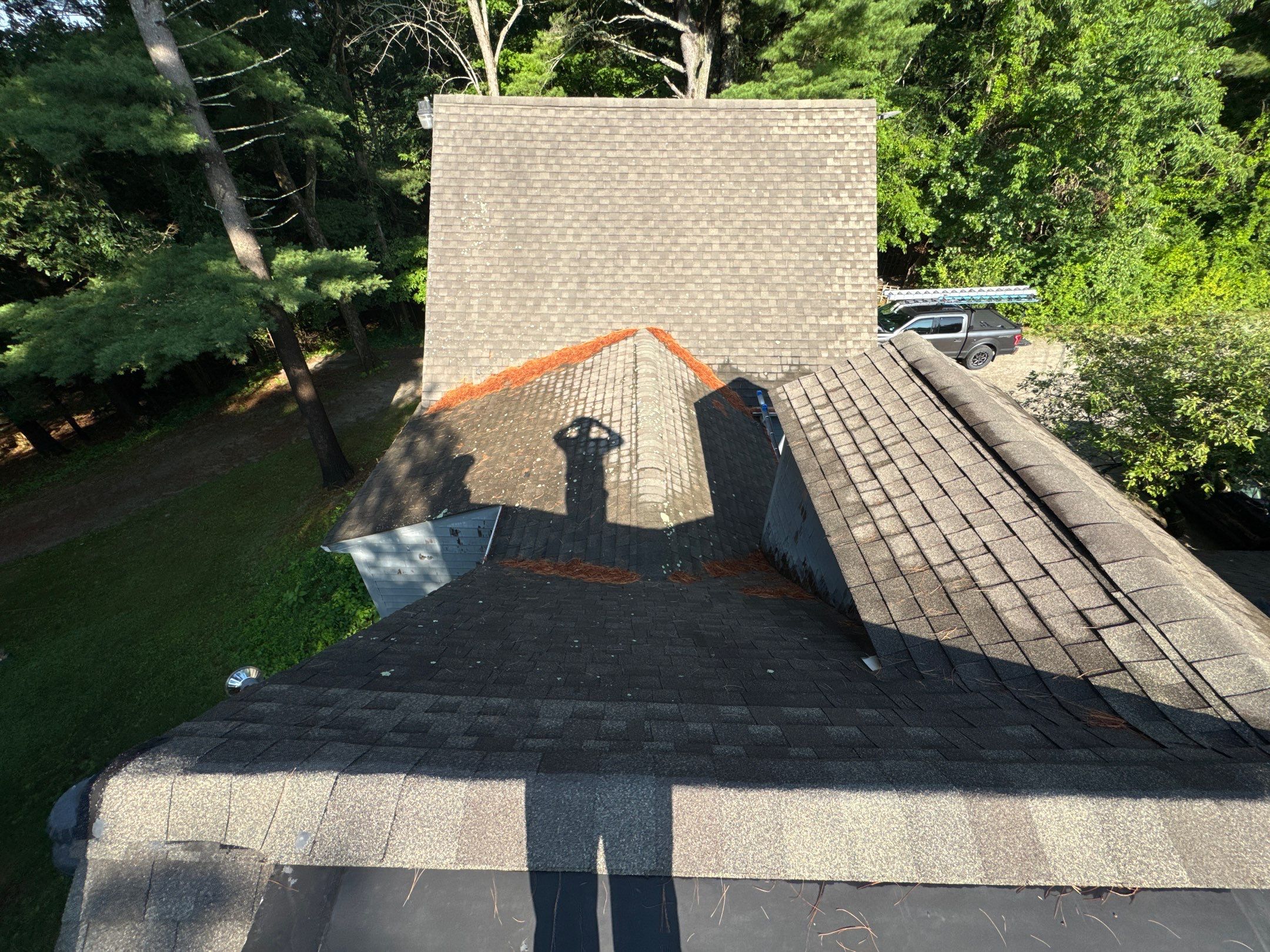
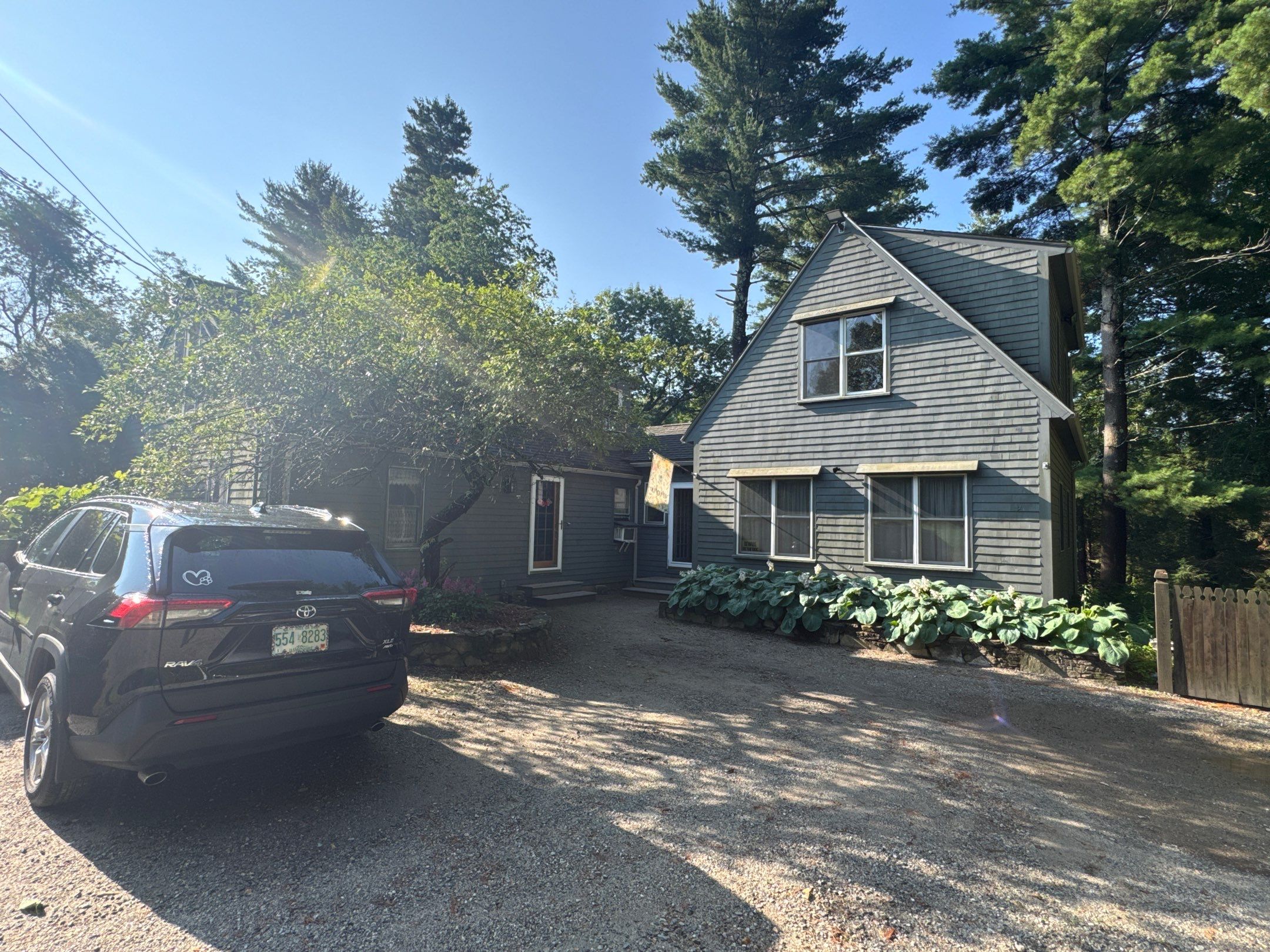
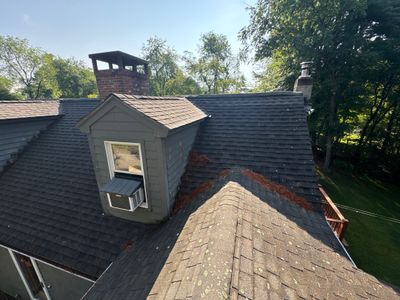
Not every leaking roof fails because the shingles are old. On this home off South Road in Kensington, New Hampshire, years of shortcuts and poorly executed roofing details had created serious water problems in some of the most vulnerable areas of the roof. By the time Compass Exteriors became involved, the project required much more than simply tearing off the existing shingles and installing a new roof. The dead valley needed to be rebuilt. Sections of plywood had been installed incorrectly. The transition where the shingle roof met an EPDM-covered dormer had been improperly terminated. Those details had allowed water to get where it never should have been. Our job was to take the roof apart far enough to understand what had gone wrong—and then rebuild those areas correctly before installing the new roofing system. The Leak Wasn't Coming From Just One Place Dead valleys require careful planning because they collect and redirect a significant amount of water. Unlike a conventional valley that has a clear path toward the eave, a dead valley can create an area where water movement slows and multiple roof planes come together. If the waterproofing and transitions aren't detailed correctly, it can become one of the first places a roof develops chronic leaks. That's what we were dealing with on this Kensington property. Previous roofing work had involved a number of shortcuts, and the resulting details weren't providing a reliable path for water. Over time, that led to substantial leaking and deterioration around the affected roof sections. Rather than attempting another patch over the existing work, Compass opened the area up and rebuilt it. Rebuilding the Dead Valley With EPDM For the dead valley repair, we used EPDM membrane roofing to create a durable waterproof surface through the low-slope area. EPDM is commonly used in low-slope and flat-roof applications because the membrane provides continuous waterproofing in areas where conventional asphalt shingles may not be appropriate. The membrane itself, however, is only part of the solution. The transitions between the EPDM, shingles, roof deck, walls, and adjoining roof sections all have to be properly designed and terminated. A high-quality membrane installed with poor transition details can still leak. That was particularly relevant on this home because one of the existing problem areas was precisely where the shingle roof and EPDM dormer came together. Correcting the Shingle-to-EPDM Dormer Transition The existing roof had an improperly terminated transition where the shingled ridge met the EPDM-covered dormer. This is the kind of detail that may look relatively minor from the ground but can create significant water intrusion when it isn't handled correctly. Water doesn't care whether the rest of a roof looks good. It will find the weakest flashing detail, seam, penetration, or transition in the system. Compass removed the failed configuration and rebuilt the transition so the shingle and membrane roofing systems worked together instead of creating another vulnerable termination point. This was one of the most important corrections on the project because simply replacing the surrounding shingles would not have solved the source of the leak. Incorrect Roof Decking Had to Be Addressed Too Once the roof was opened, we also found areas where the plywood decking had previously been installed incorrectly. The roof deck is the foundation for everything above it. Shingles, underlayment, flashing, and membrane roofing all depend on having a properly installed and structurally sound substrate. Where the decking wasn't right, we corrected it before proceeding. It's work that disappears once the new roof goes on, but it matters enormously. Installing new roofing over poorly installed or compromised decking would have left one of the underlying problems in place. New GAF Timberline Shingles in Weathered Wood After the failed roof details were corrected, we completed the full roof replacement using GAF Timberline shingles in Weathered Wood. Weathered Wood has a blended, dimensional appearance that works well with traditional New England homes and gave this Kensington property a natural-looking finished roof. From the driveway, the new shingles are the obvious transformation. But the more meaningful improvement is underneath them. The homeowners now have a roof where the dead valley, EPDM membrane, roof decking, and shingle-to-membrane transitions were addressed as parts of one complete system rather than a collection of patches. Why Do Dead Valleys Leak? Dead valleys can leak when water is allowed to collect or when the waterproofing details aren't properly designed for the roof geometry. Common problems can include inadequate membrane coverage, poorly executed flashing transitions, improper termination points, unsuitable roofing materials for the slope, or previous repairs that simply layer new materials over the original problem. Because these areas can receive water from multiple roof planes, even a relatively small installation mistake can result in significant leakage. For homeowners dealing with a persistent roof leak in Kensington, NH, identifying the actual entry point is important. A leak near a valley or dormer doesn't necessarily mean the surrounding shingles are the problem. Sometimes the failure is in the roofing detail underneath or adjacent to them. Repairing the Cause Instead of Patching the Symptom This project is a good example of why repeated roof leaks shouldn't automatically be treated with another tube of sealant or another layer of roofing material. The Kensington home had problems created by previous workmanship, including: A leaking dead valley Improper EPDM detailing Poor shingle-to-EPDM termination Incorrectly installed plywood decking Multiple shortcuts from previous roofing work Significant water intrusion Roofing details that needed to be dismantled and rebuilt Compass corrected those conditions before installing the new GAF Timberline roof. That distinction matters. A roof can have brand-new shingles and still leak if the difficult areas underneath and around them aren't properly constructed. Roof Replacement and Complex Roof Repair in Kensington, NH For homeowners searching for a roofing contractor in Kensington, NH, this South Road project demonstrates why experience with both shingle roofing and low-slope membrane systems can matter. Some roofs involve more than straightforward asphalt shingle installation. Dormers, dead valleys, low-slope sections, EPDM transitions, flashing, decking, and unusual roof geometry can all require different materials and installation techniques. The completed scope on this property included correcting the failed dead valley, rebuilding the EPDM waterproofing details, fixing improperly installed decking, correcting the dormer transition, and installing a complete new GAF Timberline Weathered Wood roof. From the street, it looks like a new roof. Underneath, it's a roof that was rebuilt to correct the issues that had been causing the homeowners trouble in the first place. Compass Exteriors provides roof replacement, roof repair, EPDM and low-slope roofing, dead valley repair, flashing repair, roof-decking replacement, and leak diagnosis throughout Kensington, NH and surrounding Seacoast communities.
GAF Timberline HDZ Shingles - Weathered Wood, Residential Roofing Installation
Roof Replacement & Dead Valley Repair in Kensington, NH | GAF Timberline Weathered Wood

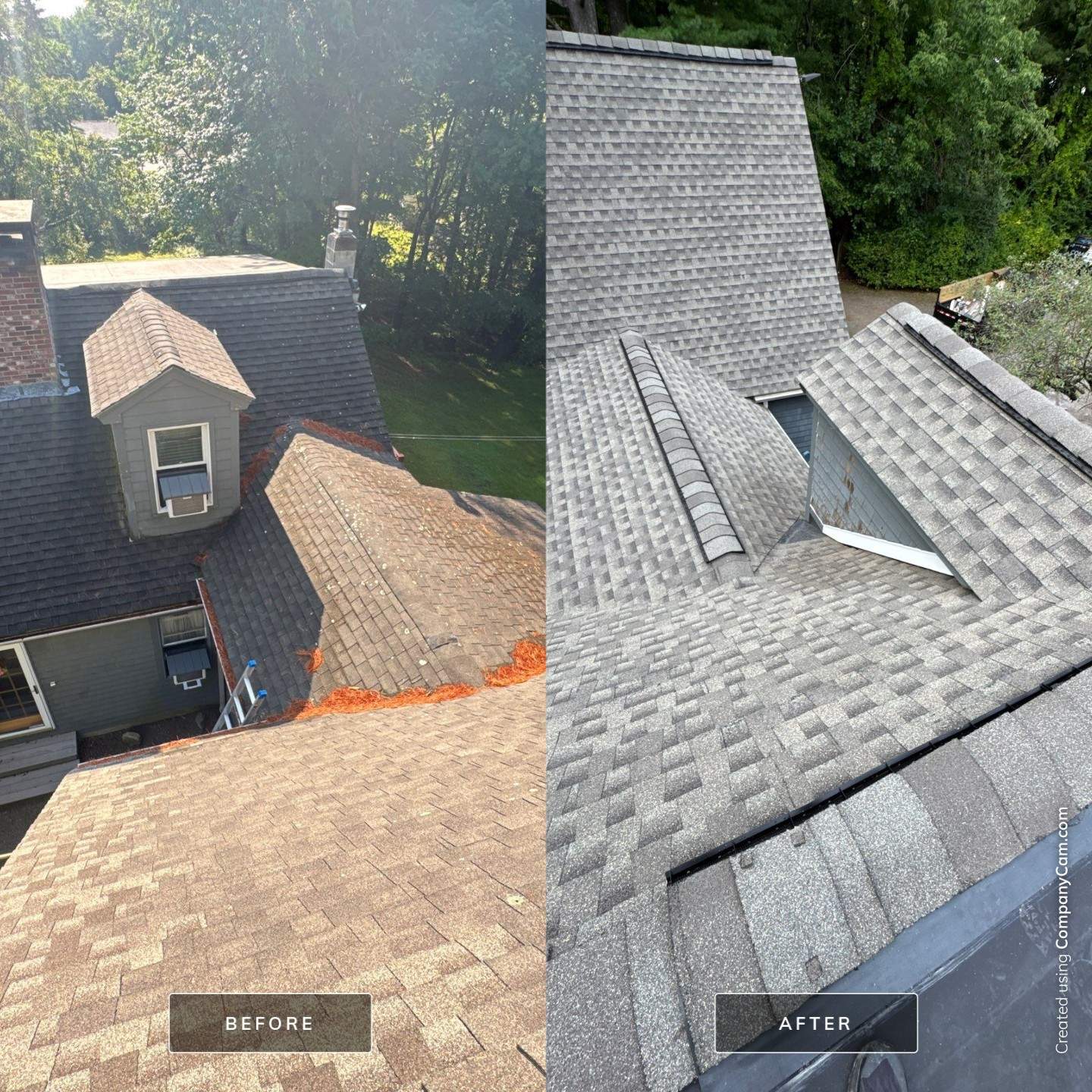
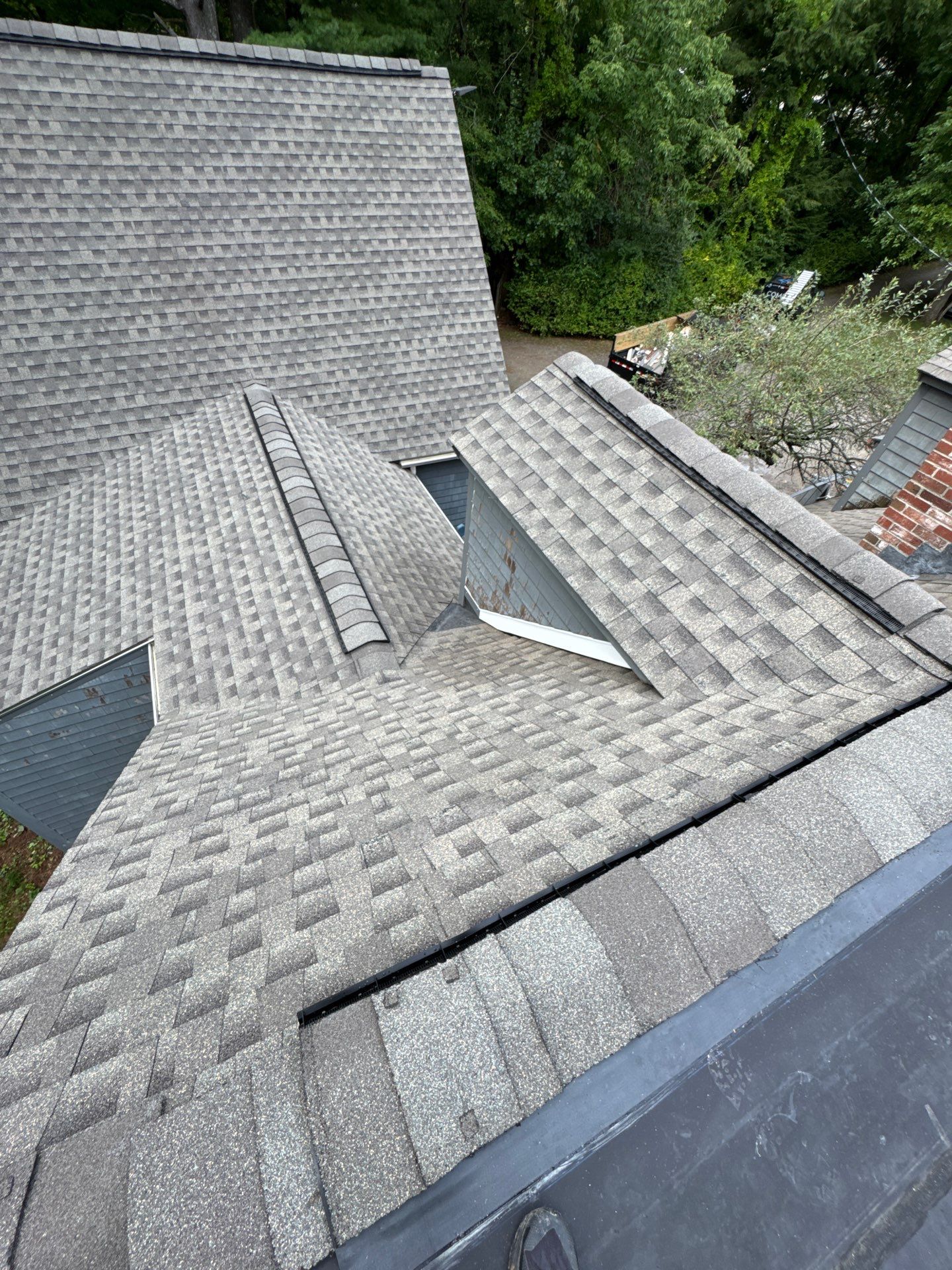
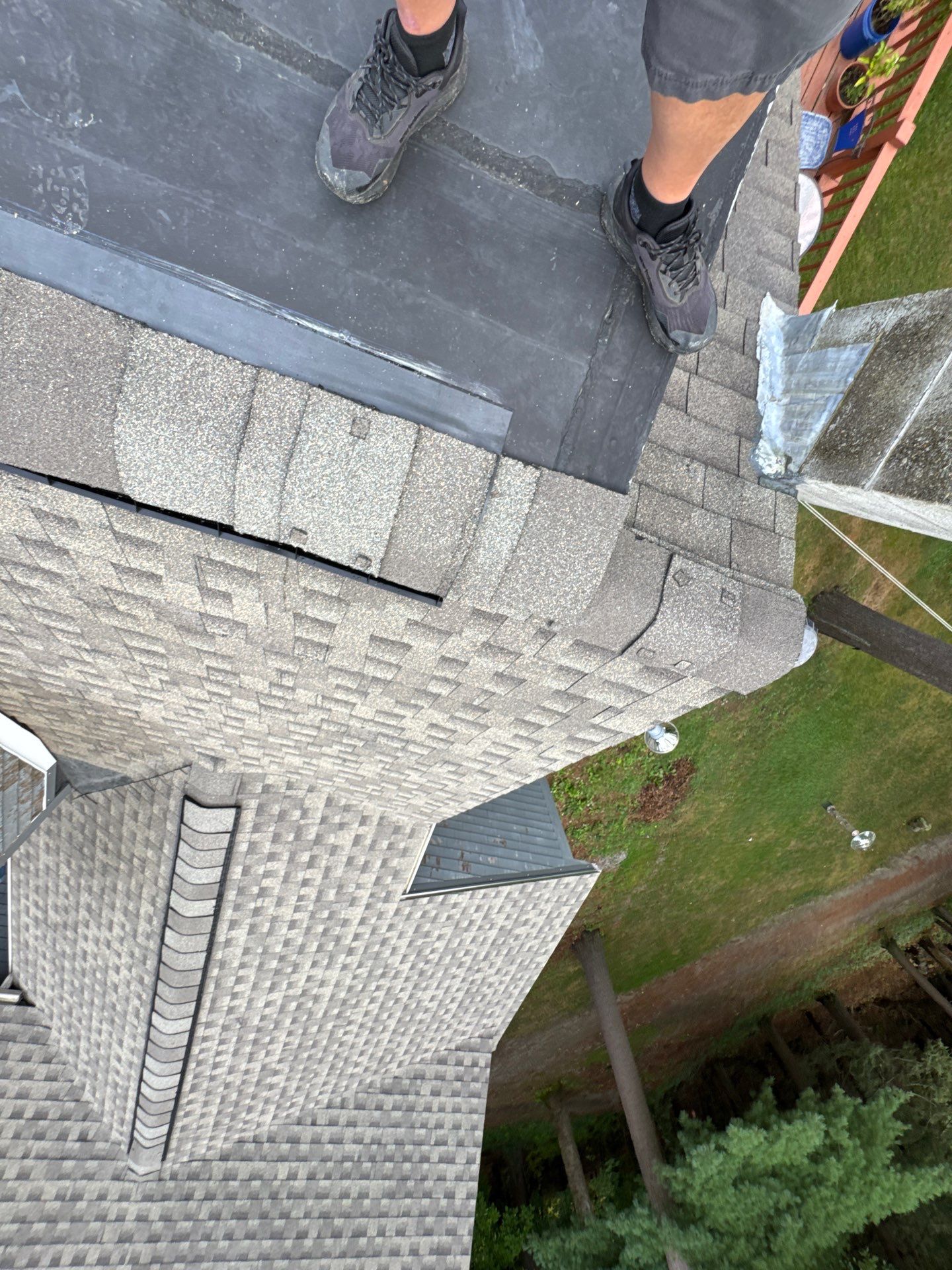
Not every leaking roof fails because the shingles are old. On this home off South Road in Kensington, New Hampshire, years of shortcuts and poorly executed roofing details had created serious water problems in some of the most vulnerable areas of the roof. By the time Compass Exteriors became involved, the project required much more than simply tearing off the existing shingles and installing a new roof. The dead valley needed to be rebuilt. Sections of plywood had been installed incorrectly. The transition where the shingle roof met an EPDM-covered dormer had been improperly terminated. Those details had allowed water to get where it never should have been. Our job was to take the roof apart far enough to understand what had gone wrong—and then rebuild those areas correctly before installing the new roofing system. The Leak Wasn't Coming From Just One Place Dead valleys require careful planning because they collect and redirect a significant amount of water. Unlike a conventional valley that has a clear path toward the eave, a dead valley can create an area where water movement slows and multiple roof planes come together. If the waterproofing and transitions aren't detailed correctly, it can become one of the first places a roof develops chronic leaks. That's what we were dealing with on this Kensington property. Previous roofing work had involved a number of shortcuts, and the resulting details weren't providing a reliable path for water. Over time, that led to substantial leaking and deterioration around the affected roof sections. Rather than attempting another patch over the existing work, Compass opened the area up and rebuilt it. Rebuilding the Dead Valley With EPDM For the dead valley repair, we used EPDM membrane roofing to create a durable waterproof surface through the low-slope area. EPDM is commonly used in low-slope and flat-roof applications because the membrane provides continuous waterproofing in areas where conventional asphalt shingles may not be appropriate. The membrane itself, however, is only part of the solution. The transitions between the EPDM, shingles, roof deck, walls, and adjoining roof sections all have to be properly designed and terminated. A high-quality membrane installed with poor transition details can still leak. That was particularly relevant on this home because one of the existing problem areas was precisely where the shingle roof and EPDM dormer came together. Correcting the Shingle-to-EPDM Dormer Transition The existing roof had an improperly terminated transition where the shingled ridge met the EPDM-covered dormer. This is the kind of detail that may look relatively minor from the ground but can create significant water intrusion when it isn't handled correctly. Water doesn't care whether the rest of a roof looks good. It will find the weakest flashing detail, seam, penetration, or transition in the system. Compass removed the failed configuration and rebuilt the transition so the shingle and membrane roofing systems worked together instead of creating another vulnerable termination point. This was one of the most important corrections on the project because simply replacing the surrounding shingles would not have solved the source of the leak. Incorrect Roof Decking Had to Be Addressed Too Once the roof was opened, we also found areas where the plywood decking had previously been installed incorrectly. The roof deck is the foundation for everything above it. Shingles, underlayment, flashing, and membrane roofing all depend on having a properly installed and structurally sound substrate. Where the decking wasn't right, we corrected it before proceeding. It's work that disappears once the new roof goes on, but it matters enormously. Installing new roofing over poorly installed or compromised decking would have left one of the underlying problems in place. New GAF Timberline Shingles in Weathered Wood After the failed roof details were corrected, we completed the full roof replacement using GAF Timberline shingles in Weathered Wood. Weathered Wood has a blended, dimensional appearance that works well with traditional New England homes and gave this Kensington property a natural-looking finished roof. From the driveway, the new shingles are the obvious transformation. But the more meaningful improvement is underneath them. The homeowners now have a roof where the dead valley, EPDM membrane, roof decking, and shingle-to-membrane transitions were addressed as parts of one complete system rather than a collection of patches. Why Do Dead Valleys Leak? Dead valleys can leak when water is allowed to collect or when the waterproofing details aren't properly designed for the roof geometry. Common problems can include inadequate membrane coverage, poorly executed flashing transitions, improper termination points, unsuitable roofing materials for the slope, or previous repairs that simply layer new materials over the original problem. Because these areas can receive water from multiple roof planes, even a relatively small installation mistake can result in significant leakage. For homeowners dealing with a persistent roof leak in Kensington, NH, identifying the actual entry point is important. A leak near a valley or dormer doesn't necessarily mean the surrounding shingles are the problem. Sometimes the failure is in the roofing detail underneath or adjacent to them. Repairing the Cause Instead of Patching the Symptom This project is a good example of why repeated roof leaks shouldn't automatically be treated with another tube of sealant or another layer of roofing material. The Kensington home had problems created by previous workmanship, including: A leaking dead valley Improper EPDM detailing Poor shingle-to-EPDM termination Incorrectly installed plywood decking Multiple shortcuts from previous roofing work Significant water intrusion Roofing details that needed to be dismantled and rebuilt Compass corrected those conditions before installing the new GAF Timberline roof. That distinction matters. A roof can have brand-new shingles and still leak if the difficult areas underneath and around them aren't properly constructed. Roof Replacement and Complex Roof Repair in Kensington, NH For homeowners searching for a roofing contractor in Kensington, NH, this South Road project demonstrates why experience with both shingle roofing and low-slope membrane systems can matter. Some roofs involve more than straightforward asphalt shingle installation. Dormers, dead valleys, low-slope sections, EPDM transitions, flashing, decking, and unusual roof geometry can all require different materials and installation techniques. The completed scope on this property included correcting the failed dead valley, rebuilding the EPDM waterproofing details, fixing improperly installed decking, correcting the dormer transition, and installing a complete new GAF Timberline Weathered Wood roof. From the street, it looks like a new roof. Underneath, it's a roof that was rebuilt to correct the issues that had been causing the homeowners trouble in the first place. Compass Exteriors provides roof replacement, roof repair, EPDM and low-slope roofing, dead valley repair, flashing repair, roof-decking replacement, and leak diagnosis throughout Kensington, NH and surrounding Seacoast communities.