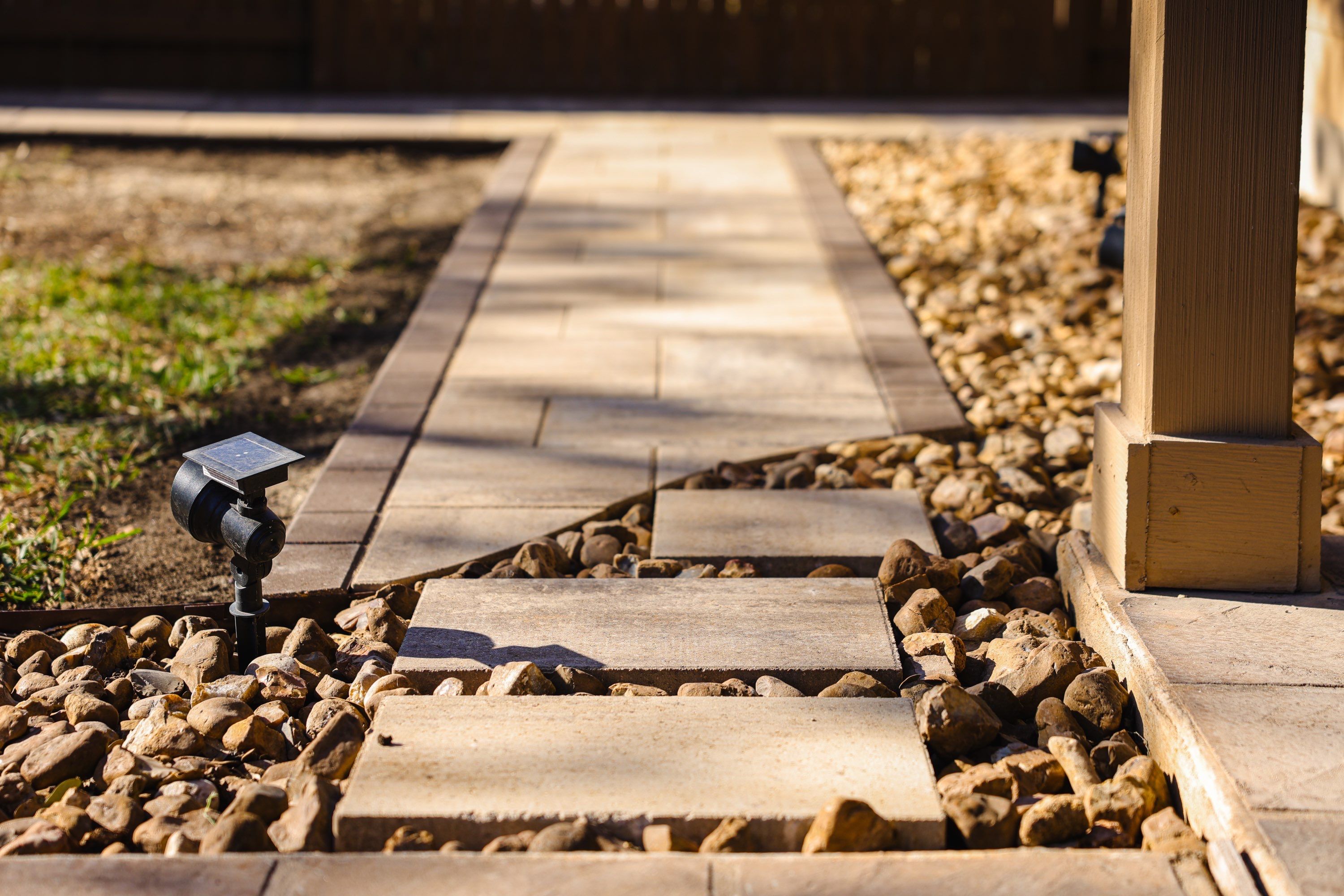
Wortham Oaks - San Antonio, TX
December 2025
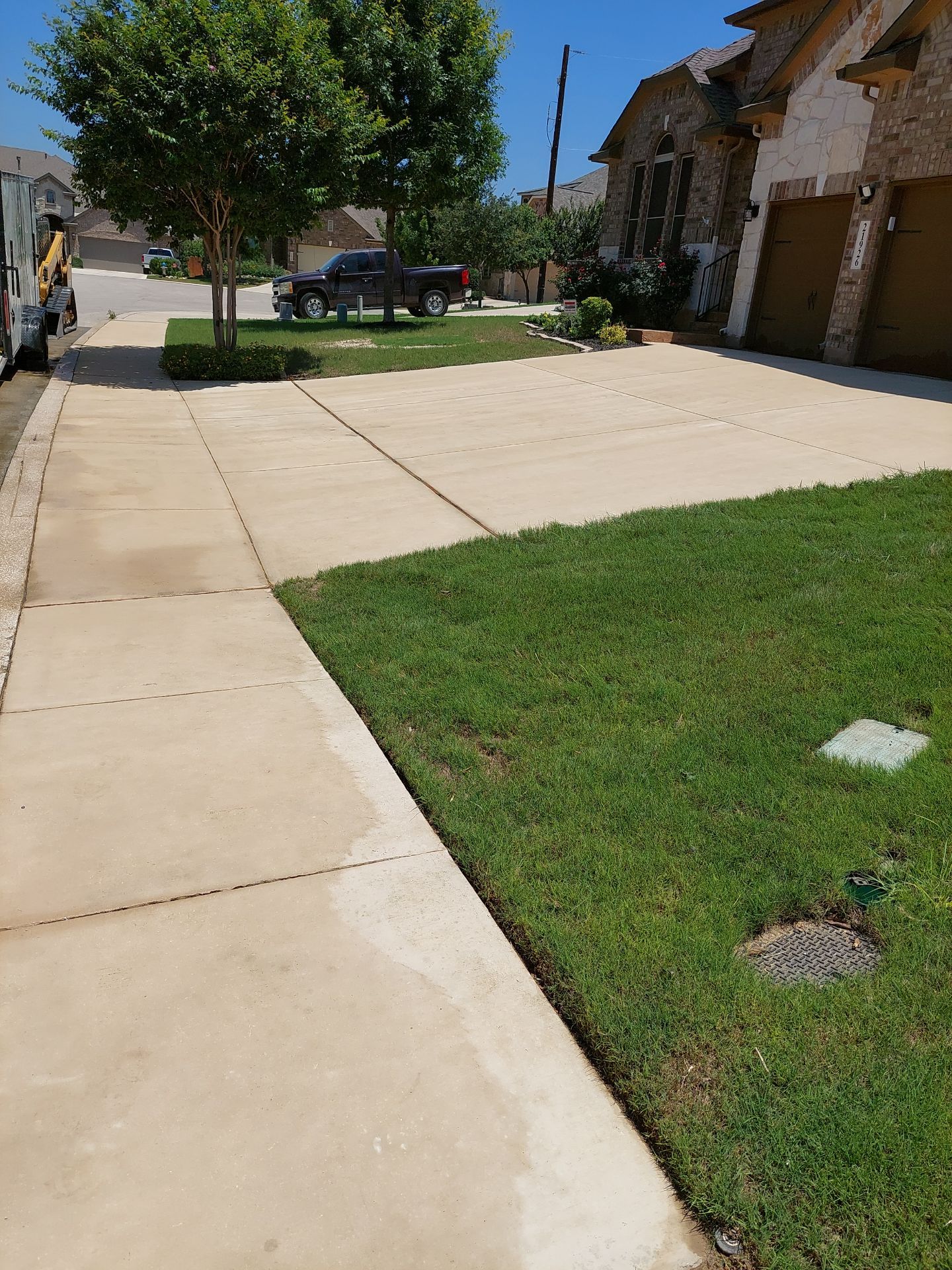
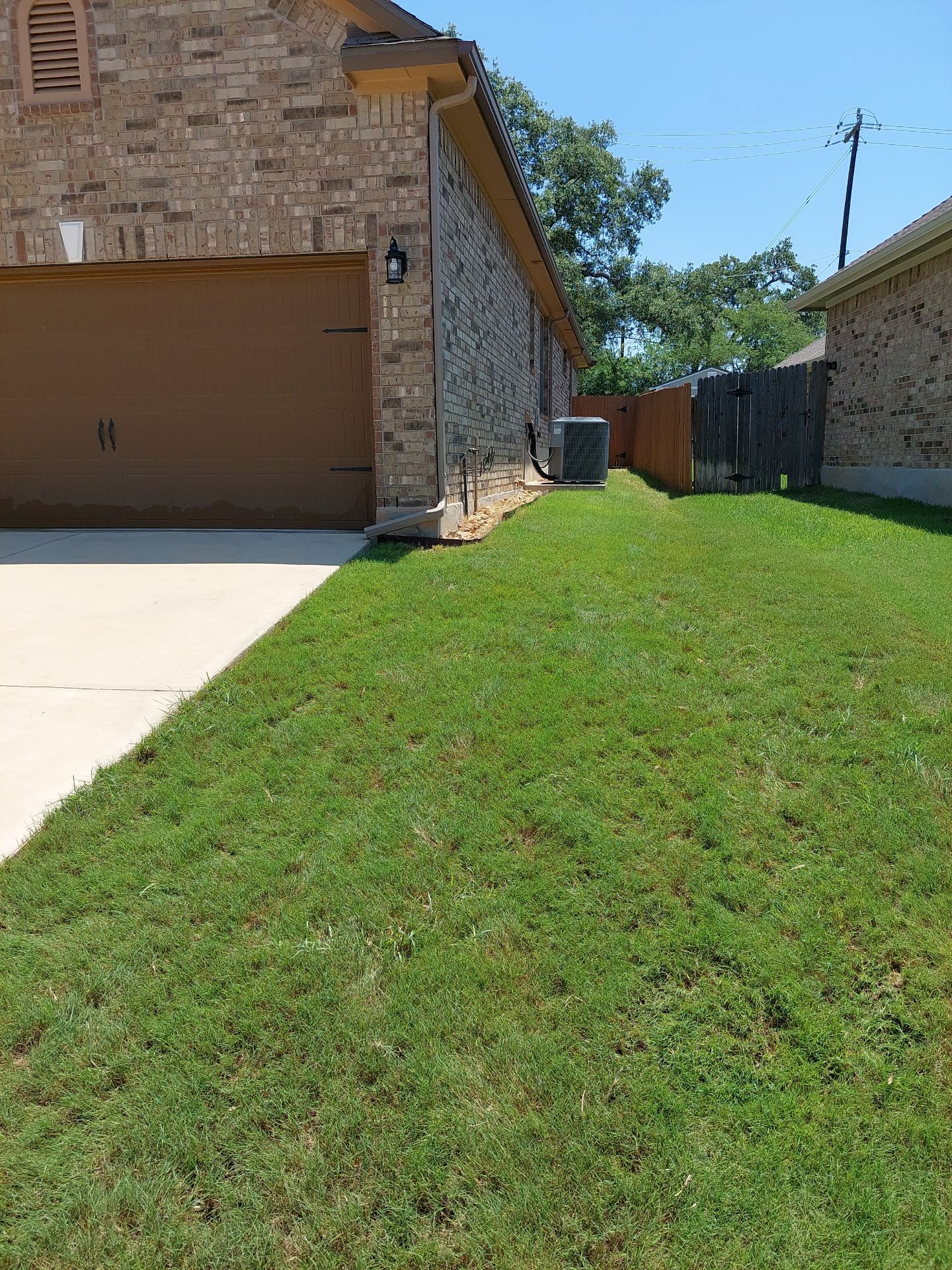
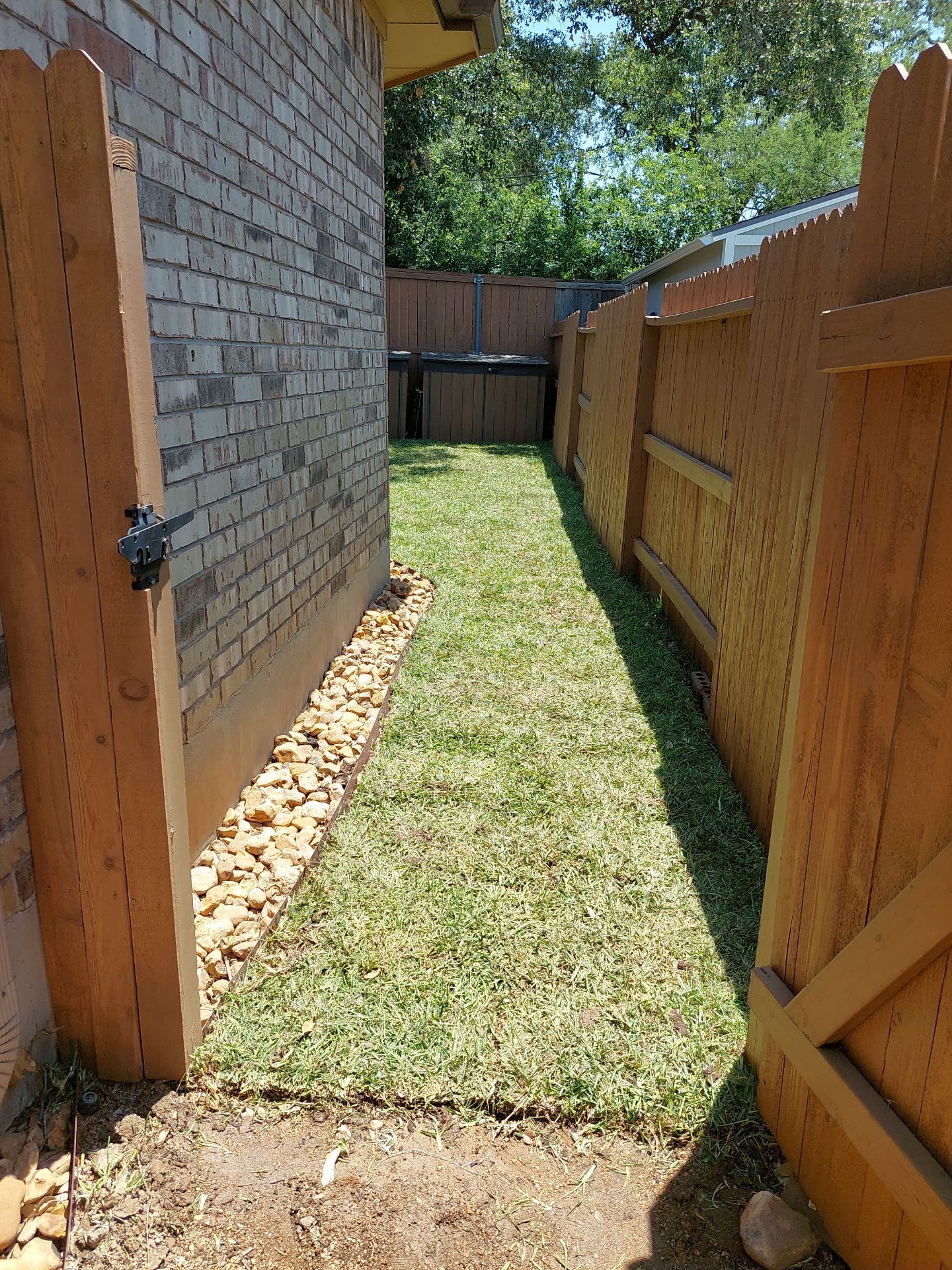
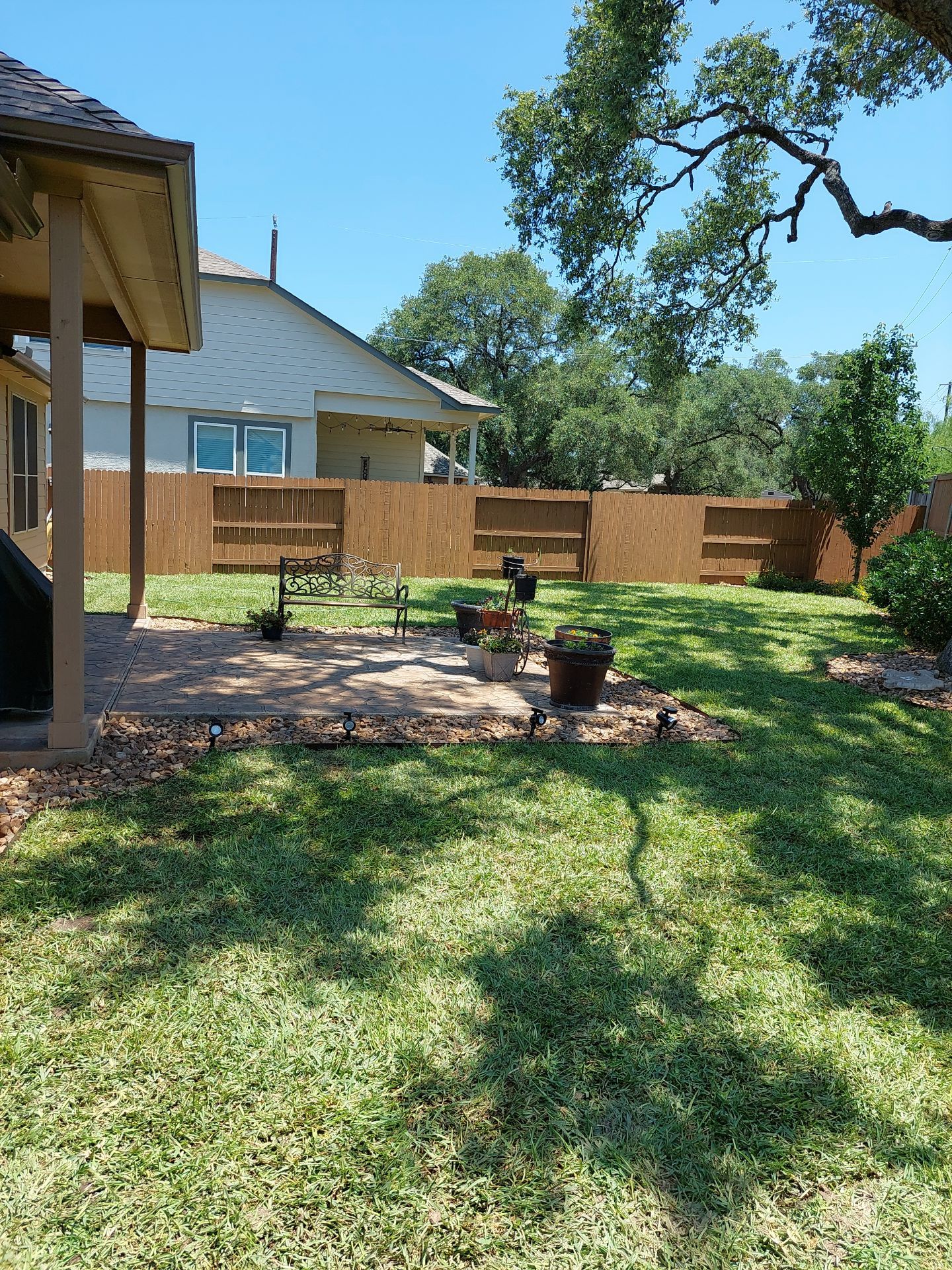
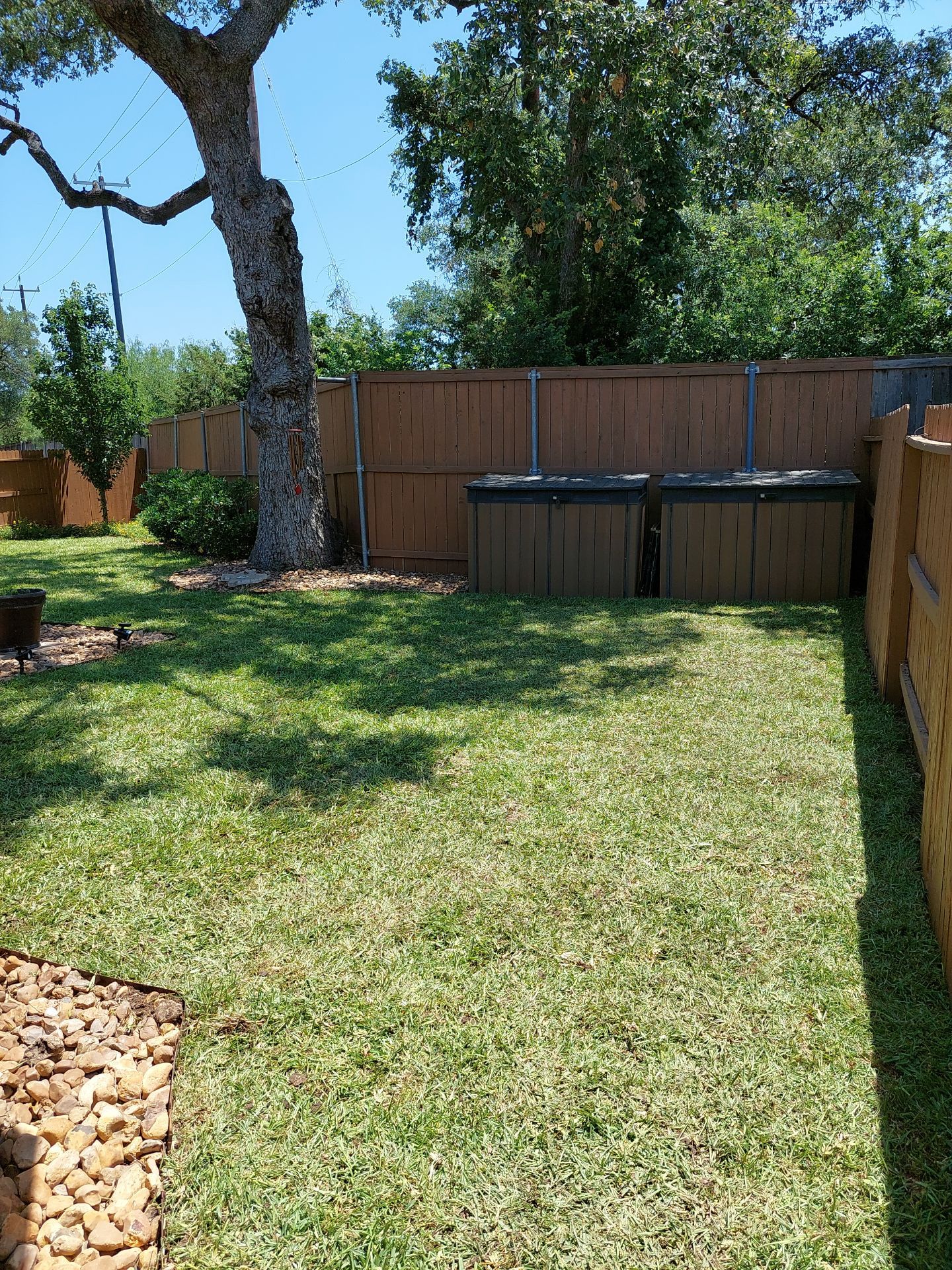
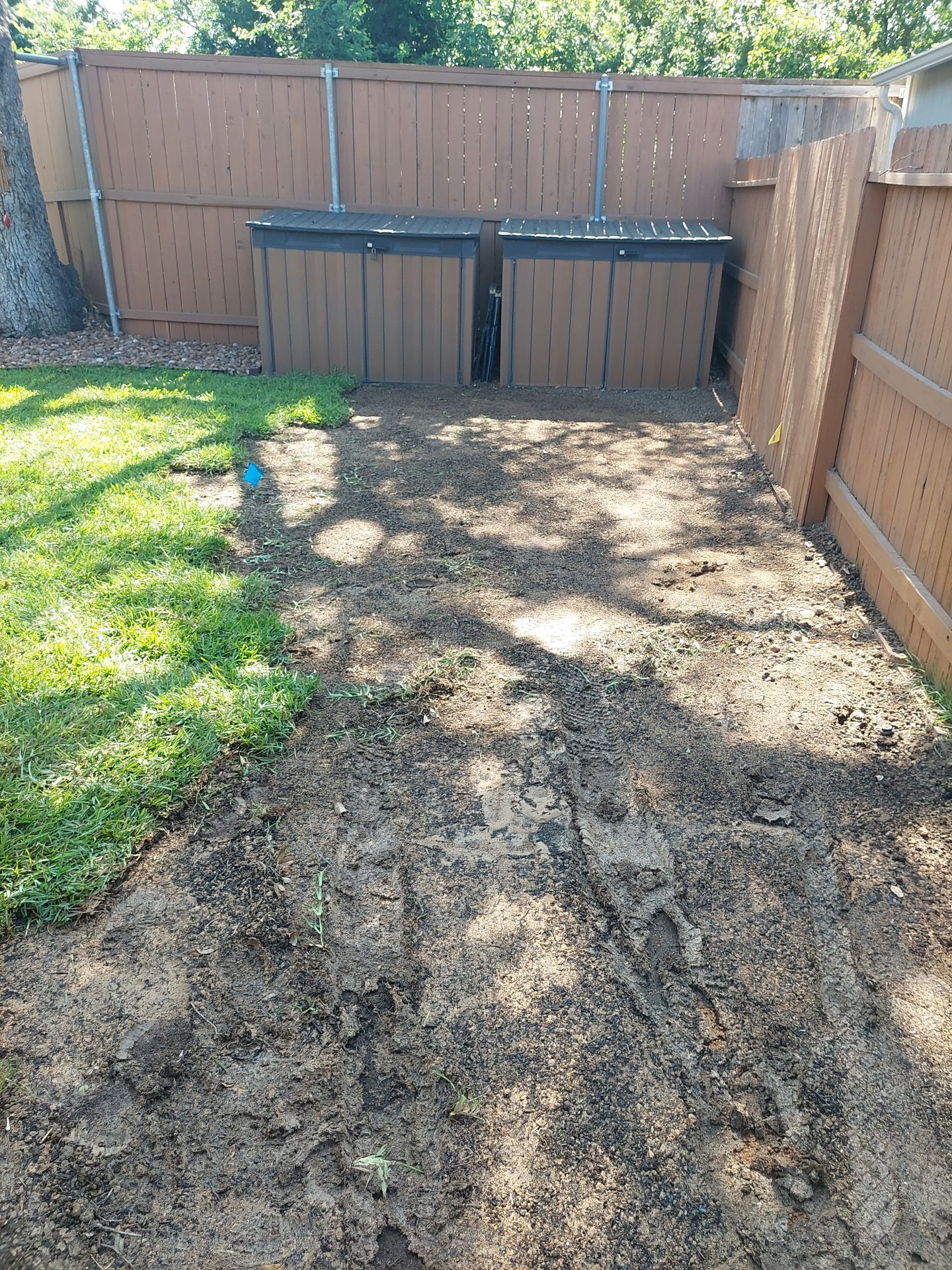
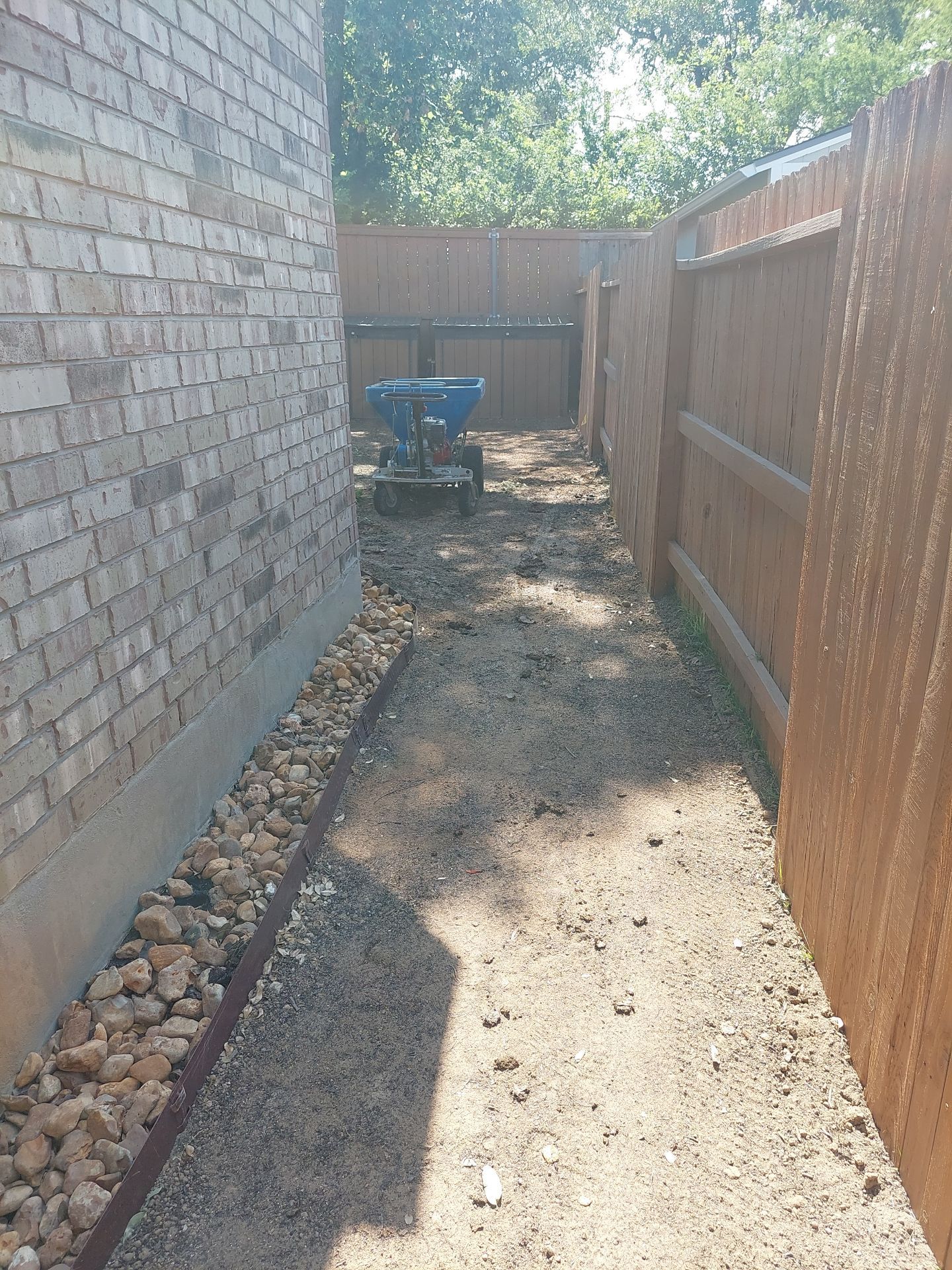
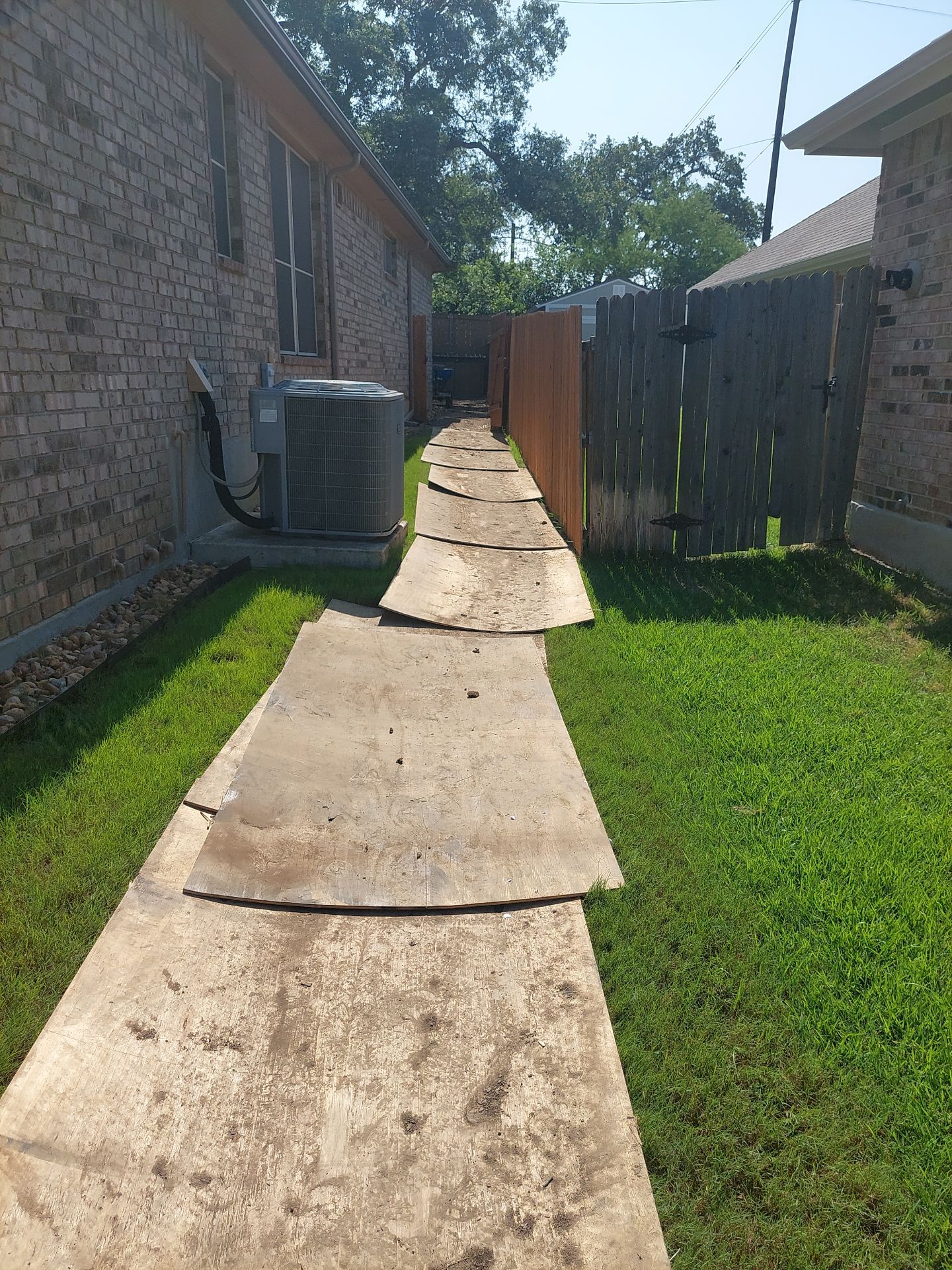
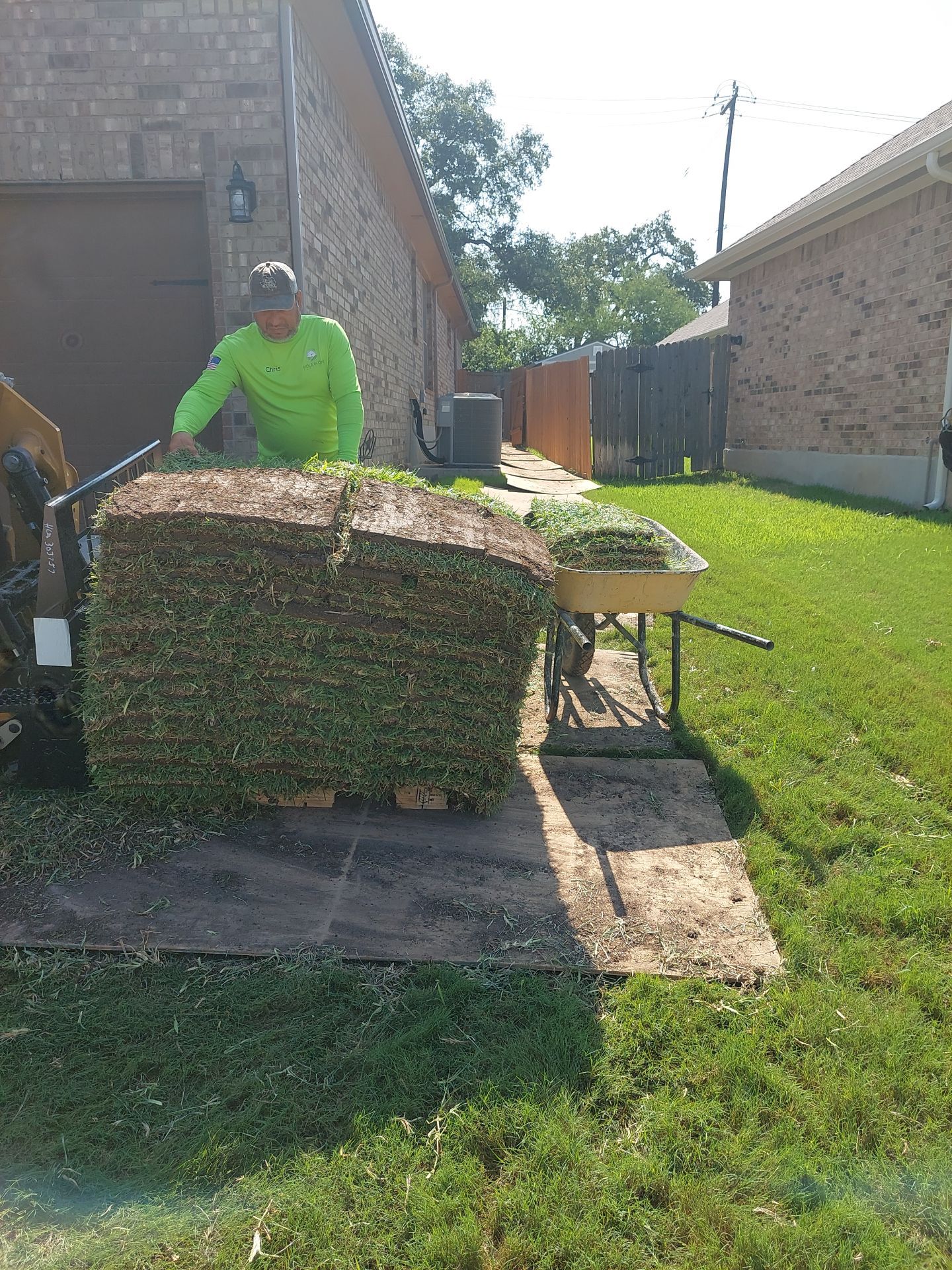
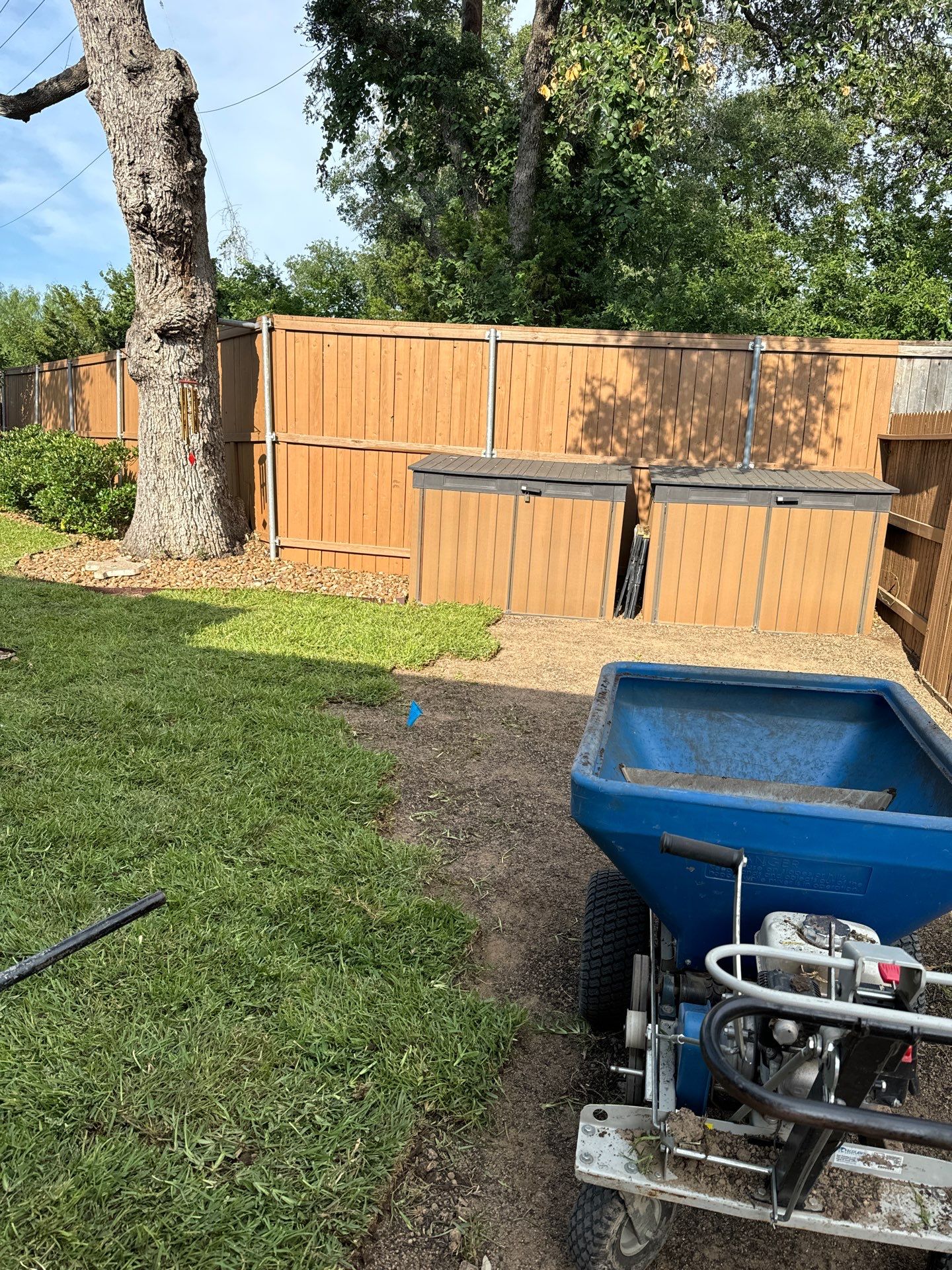
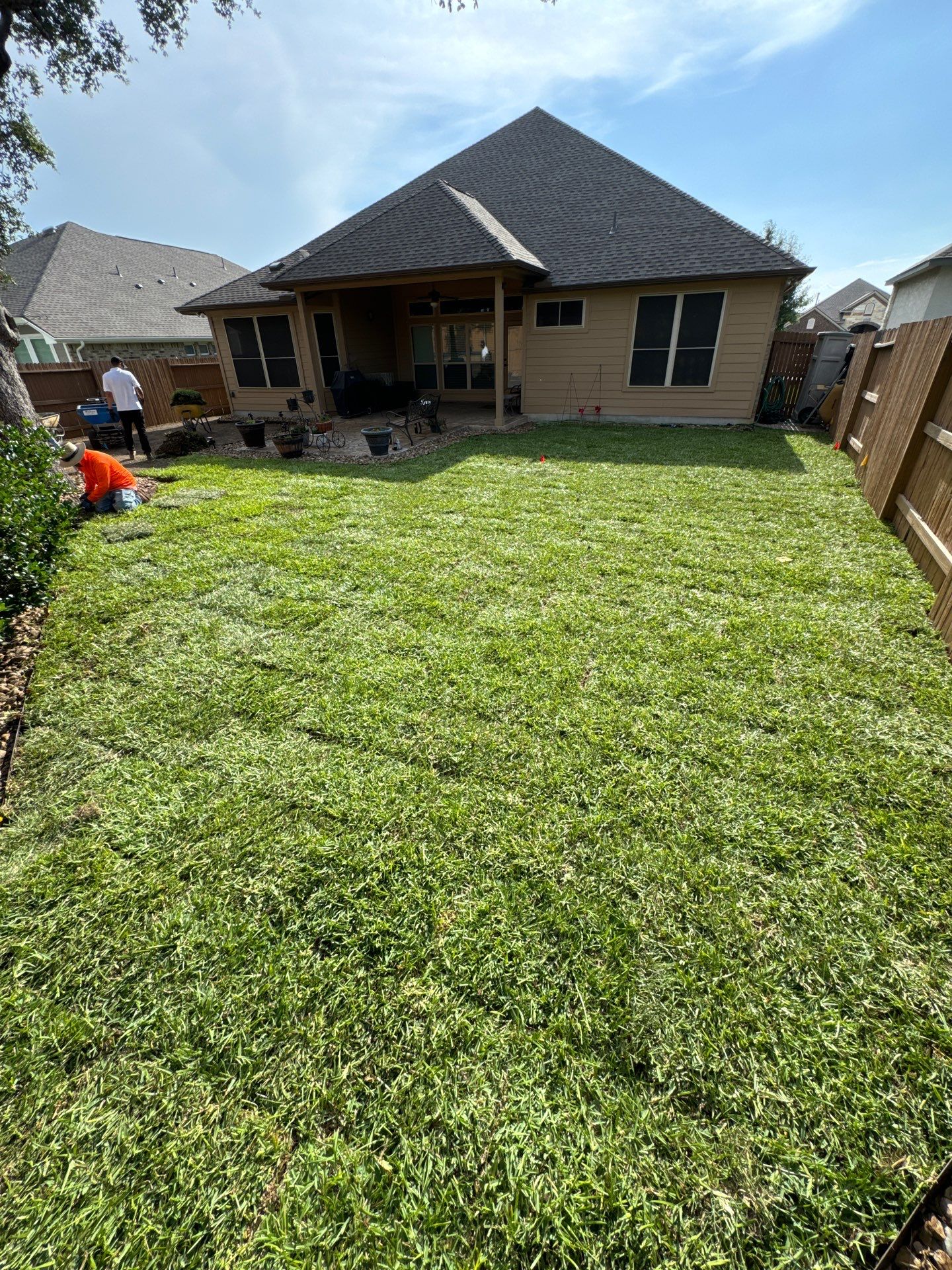
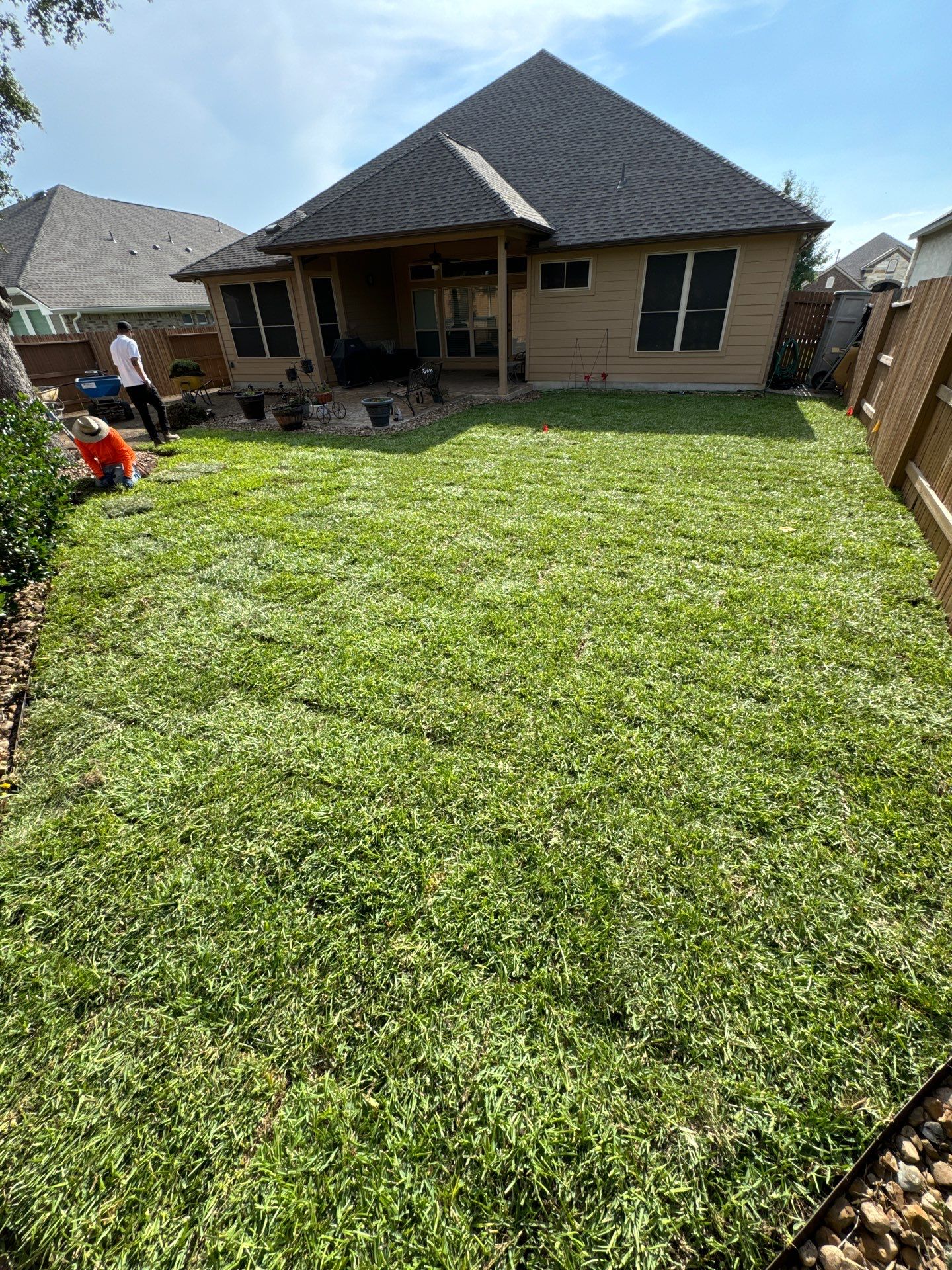
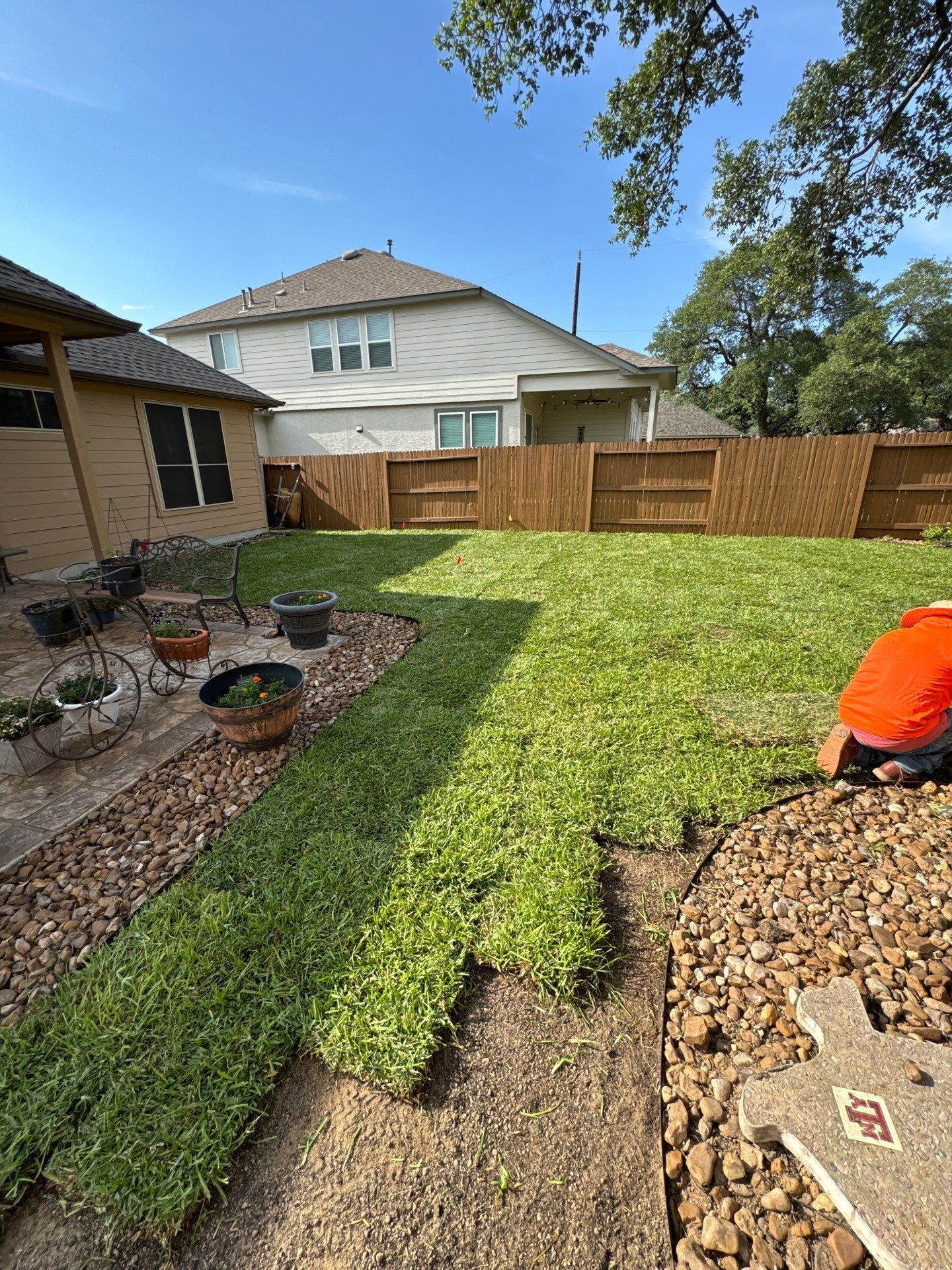
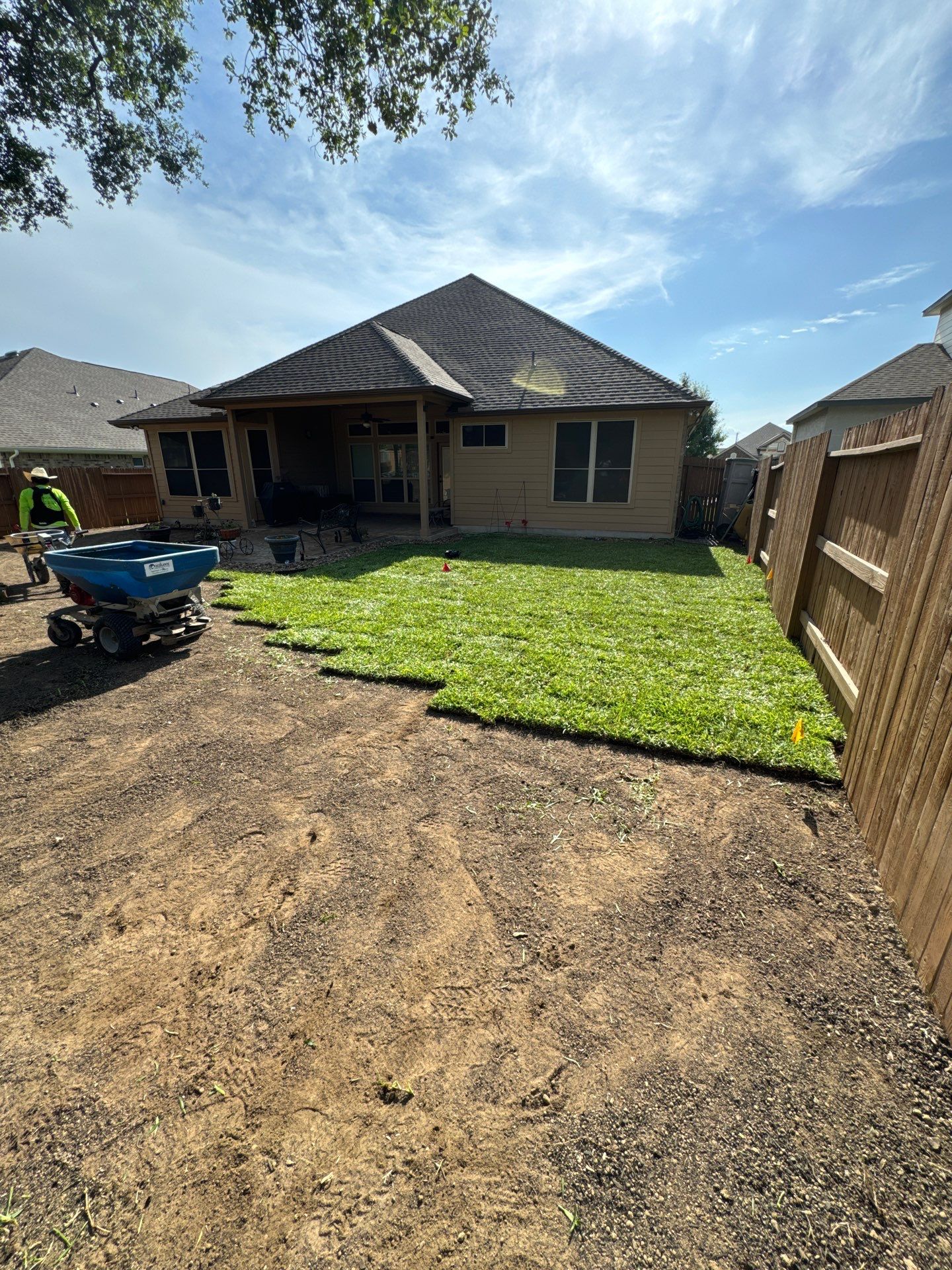
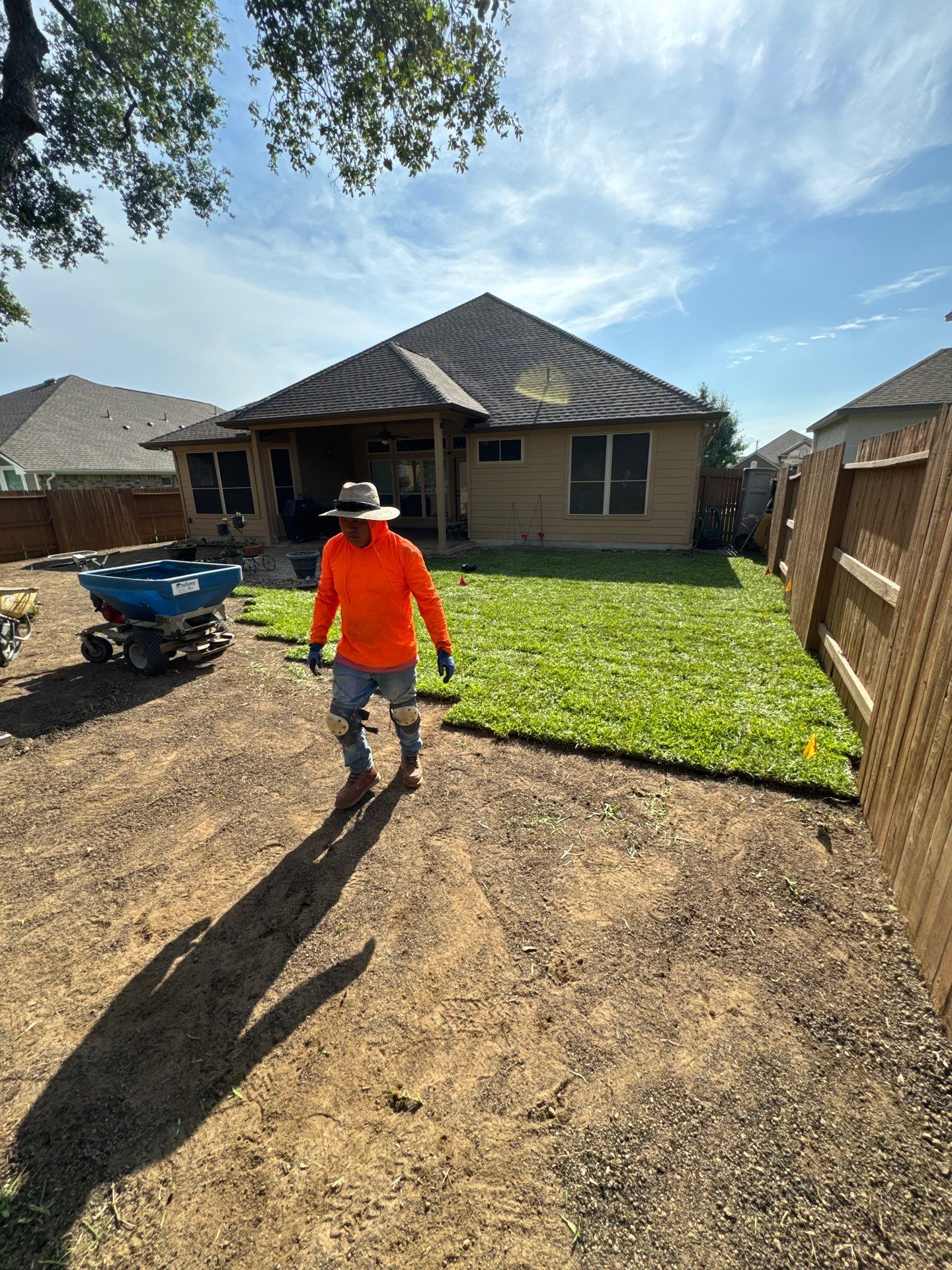
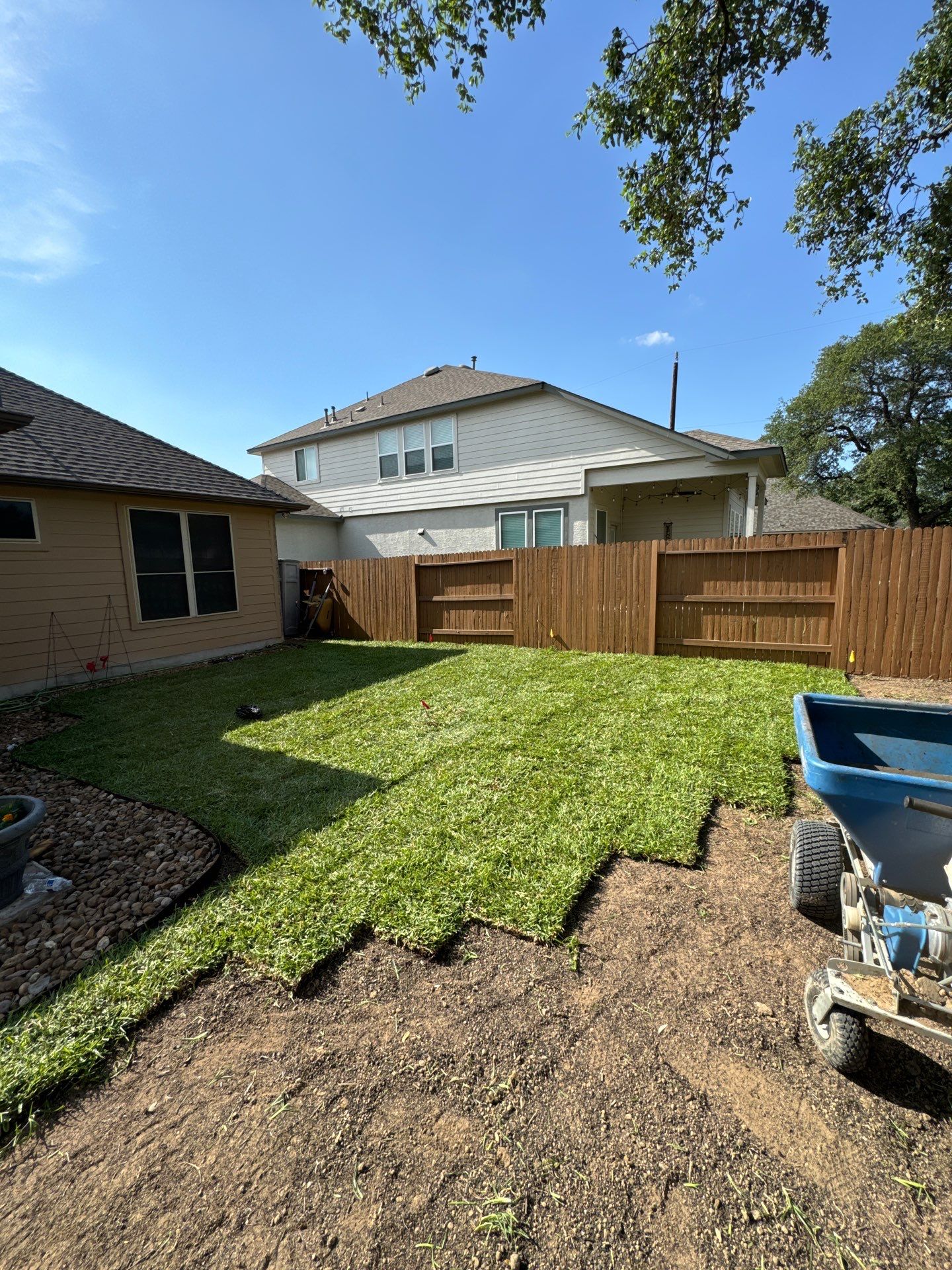
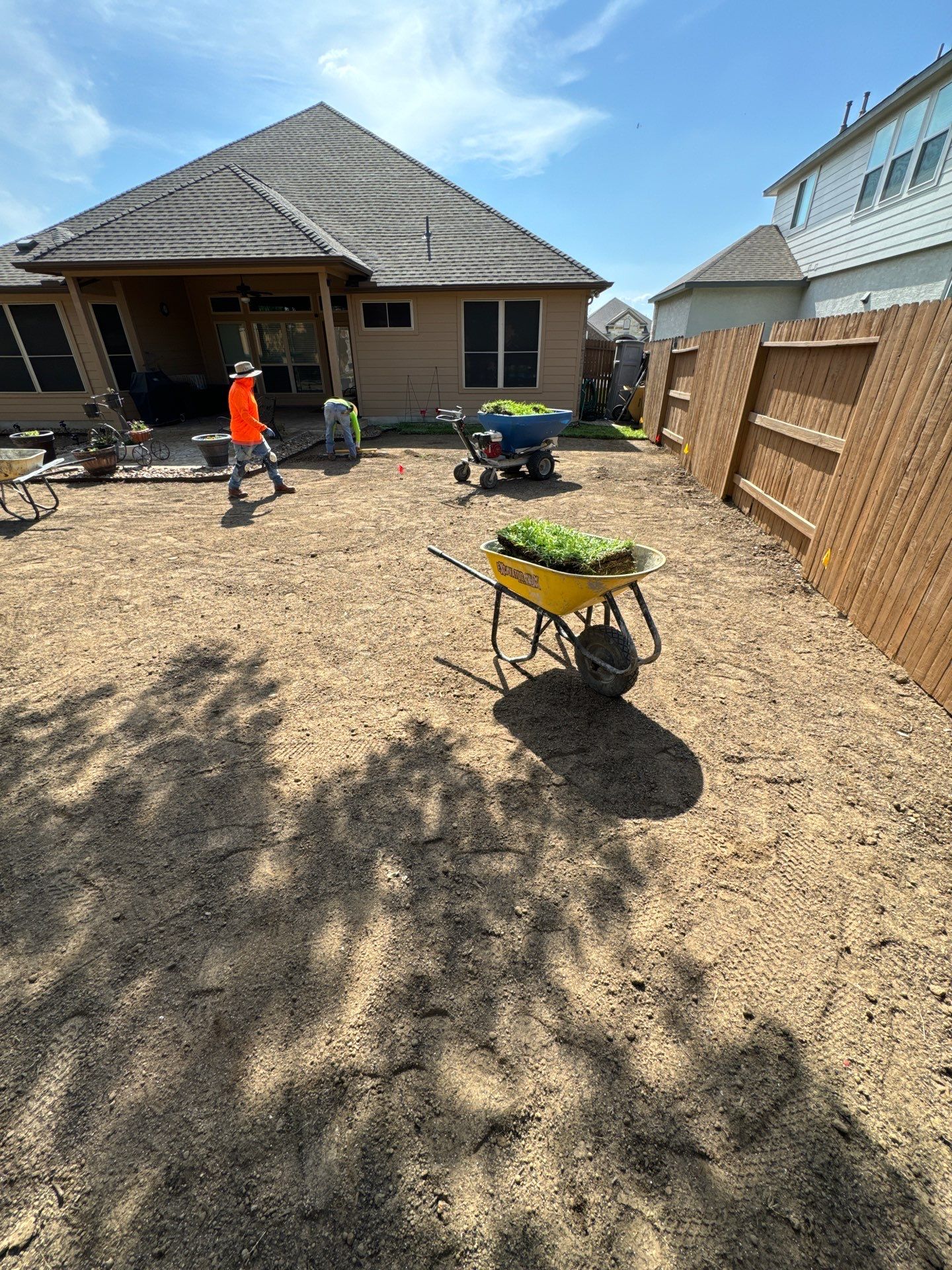
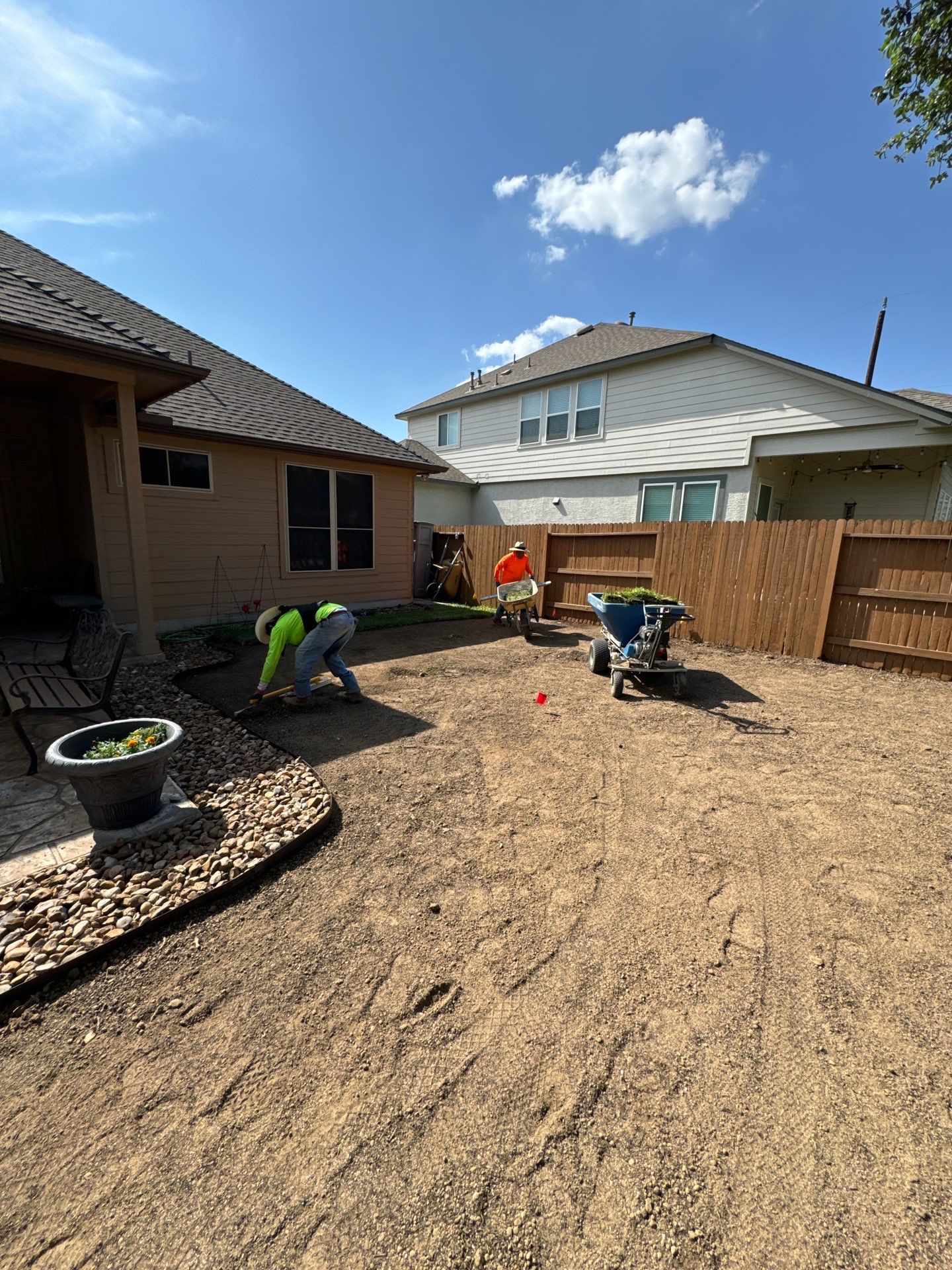
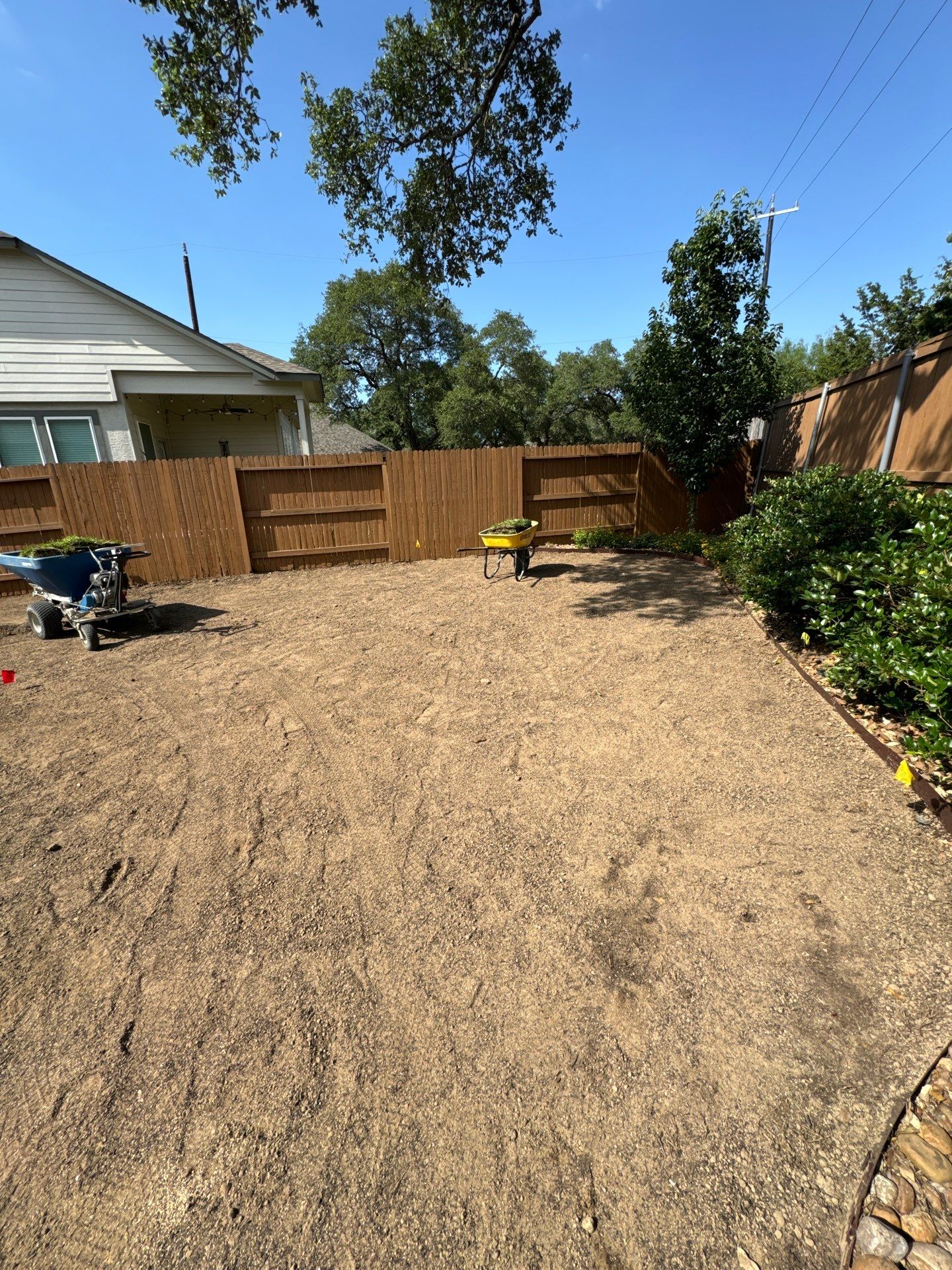
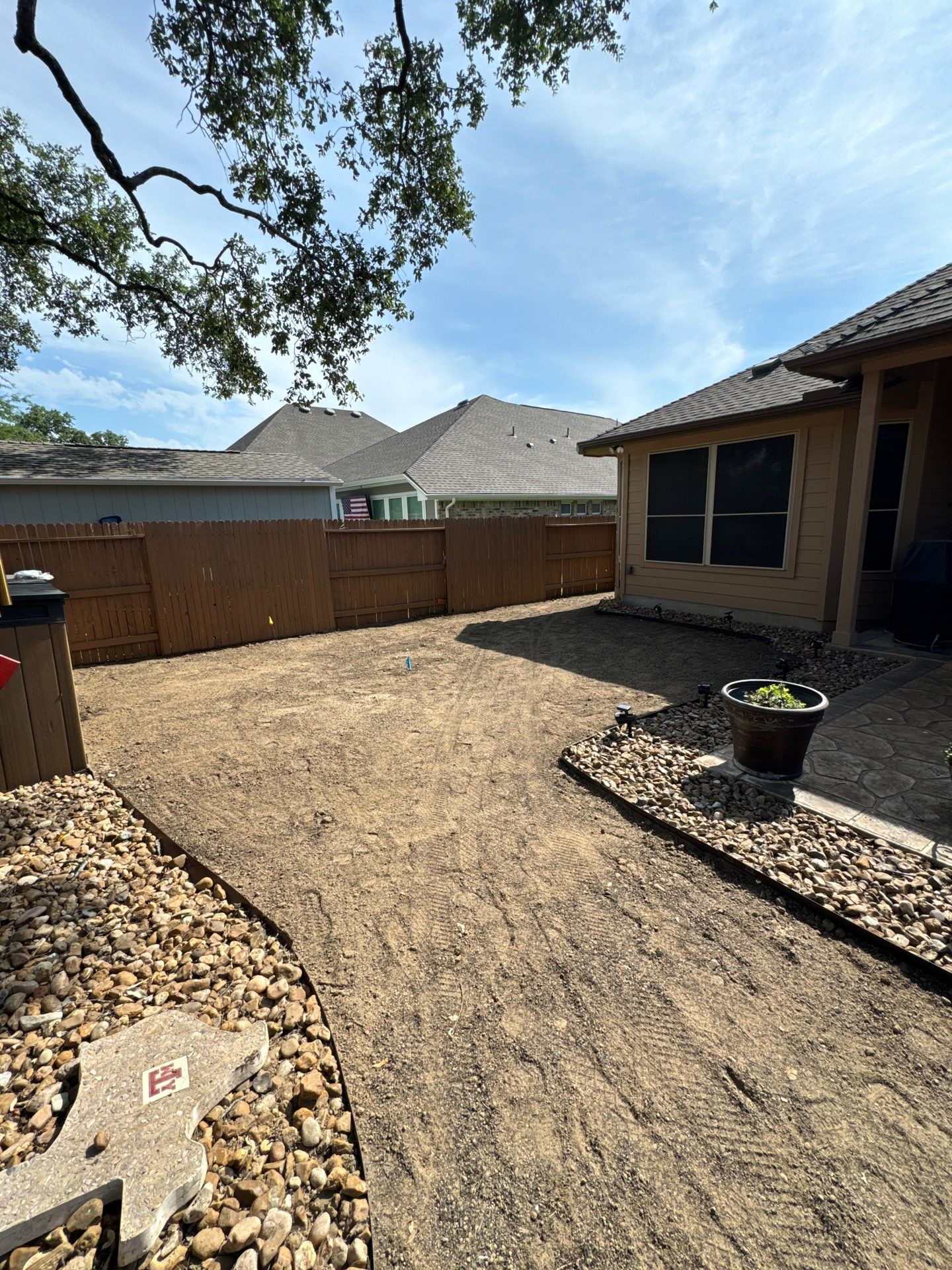
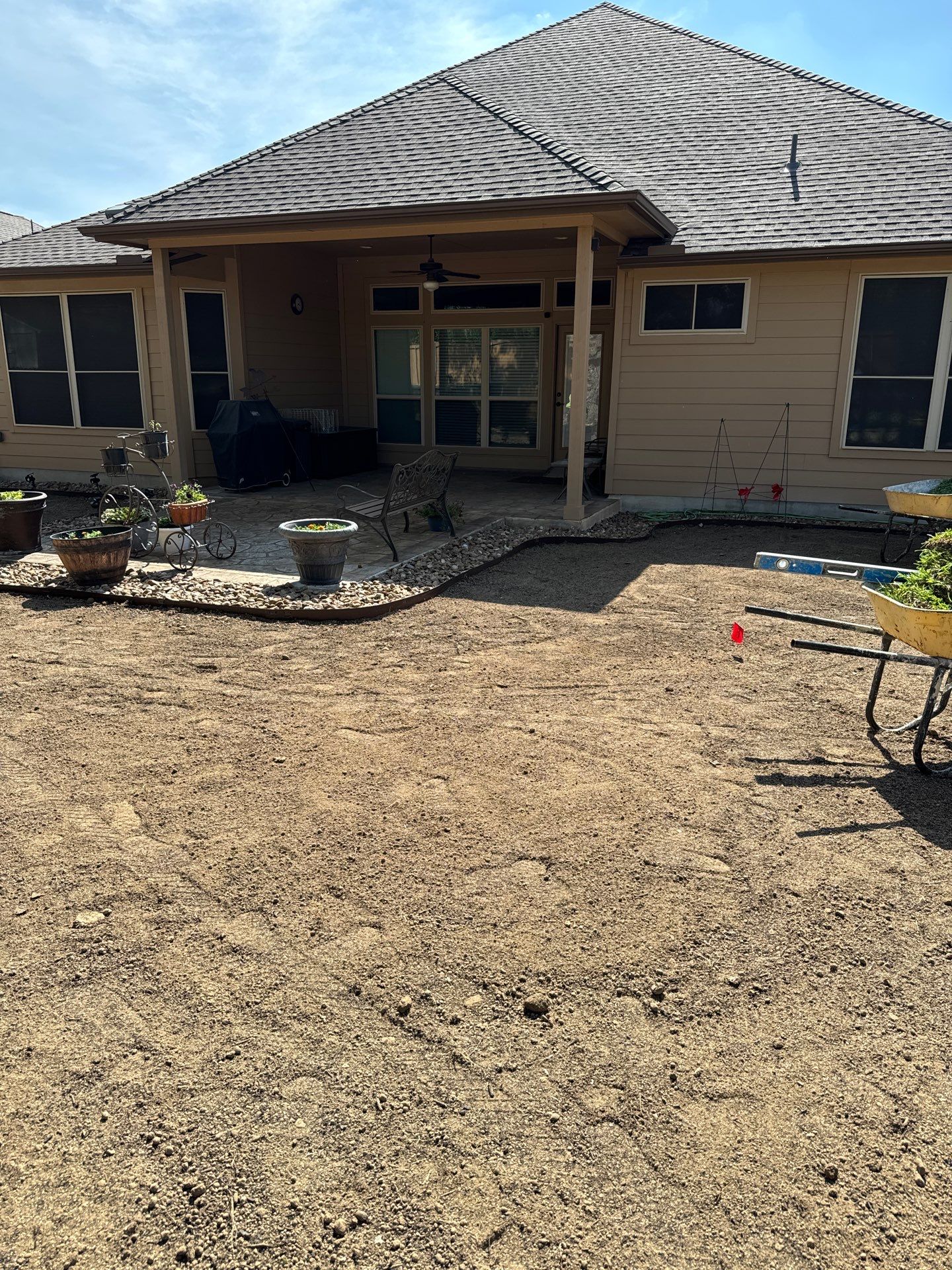
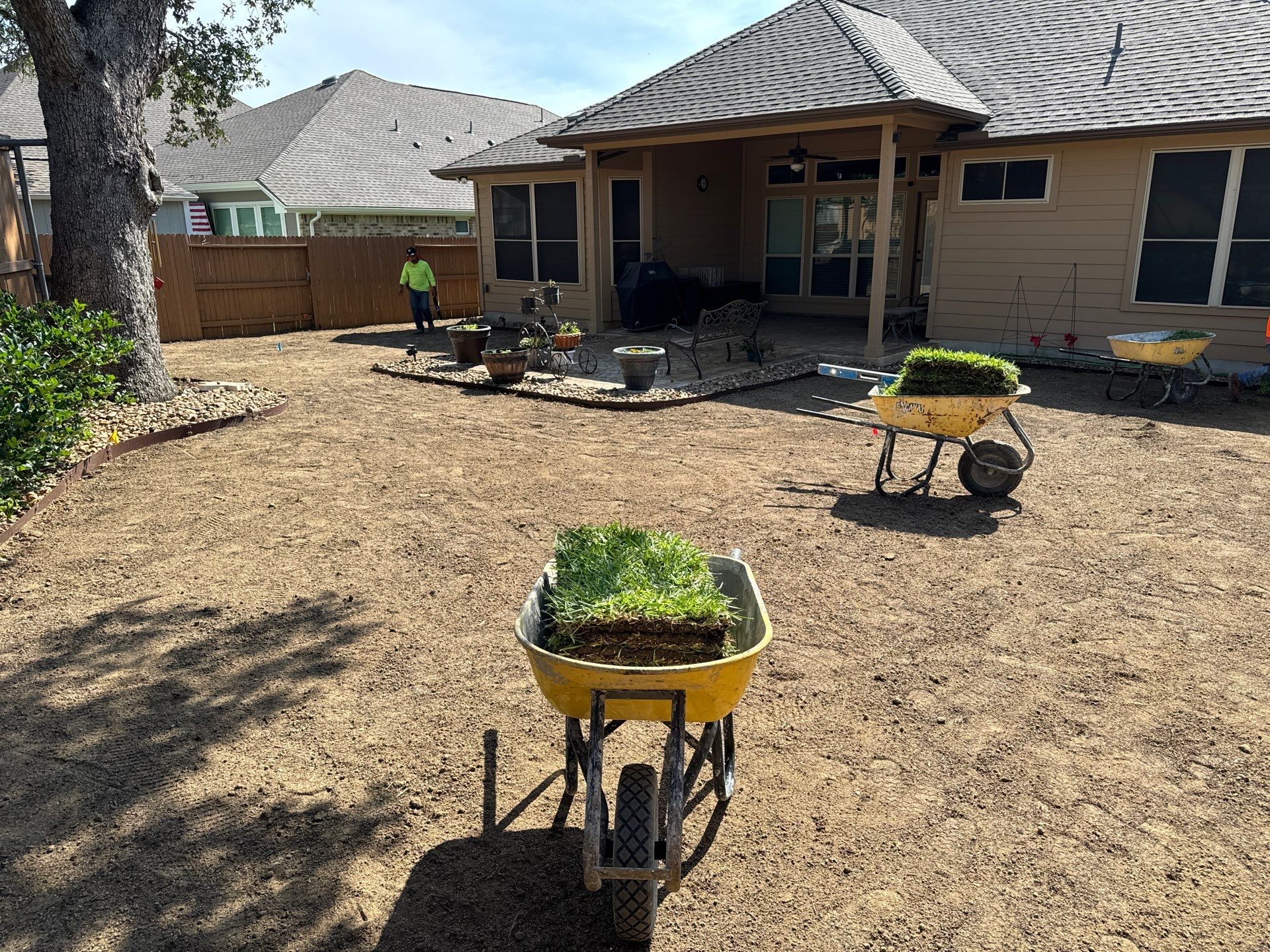
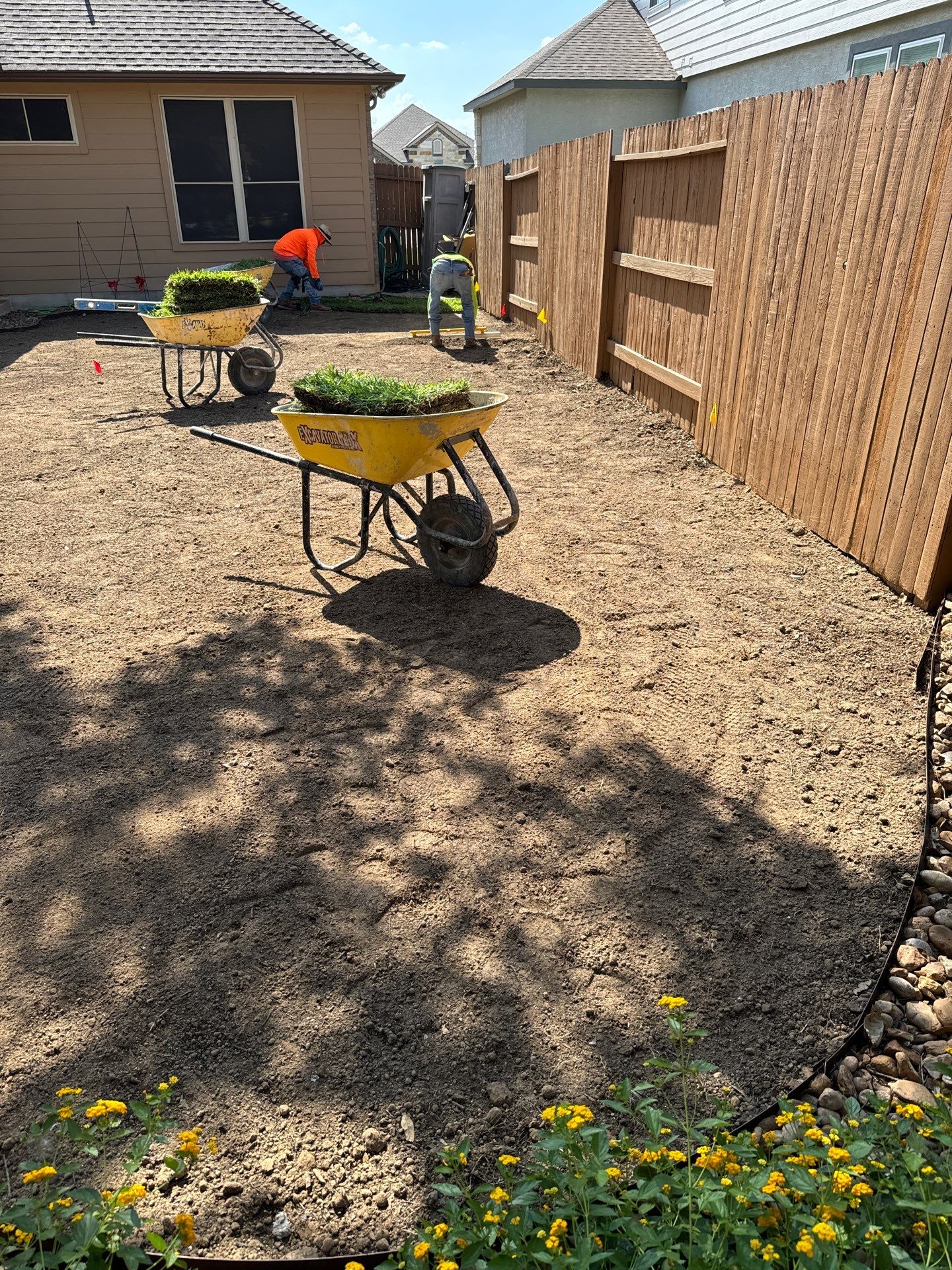
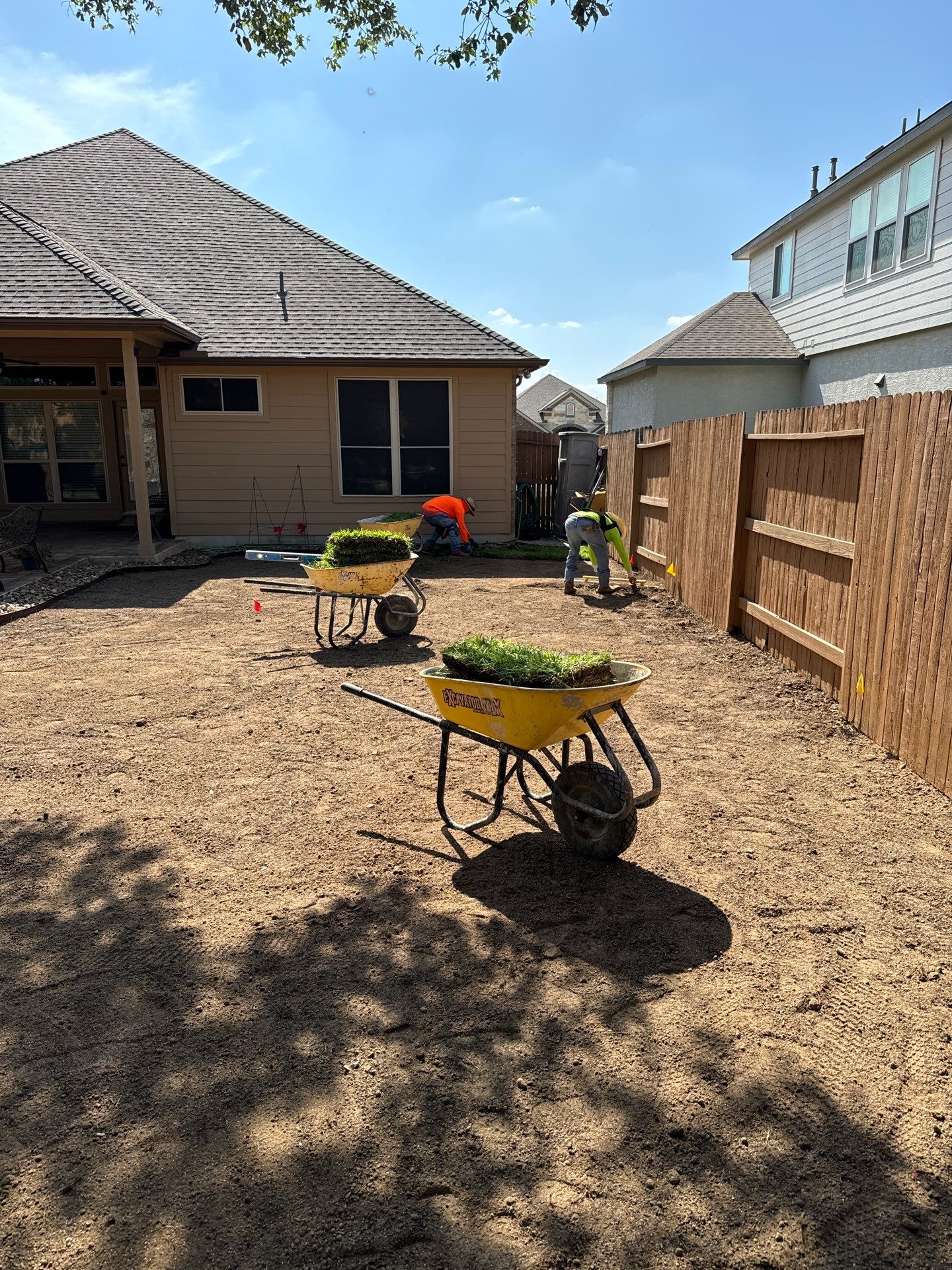
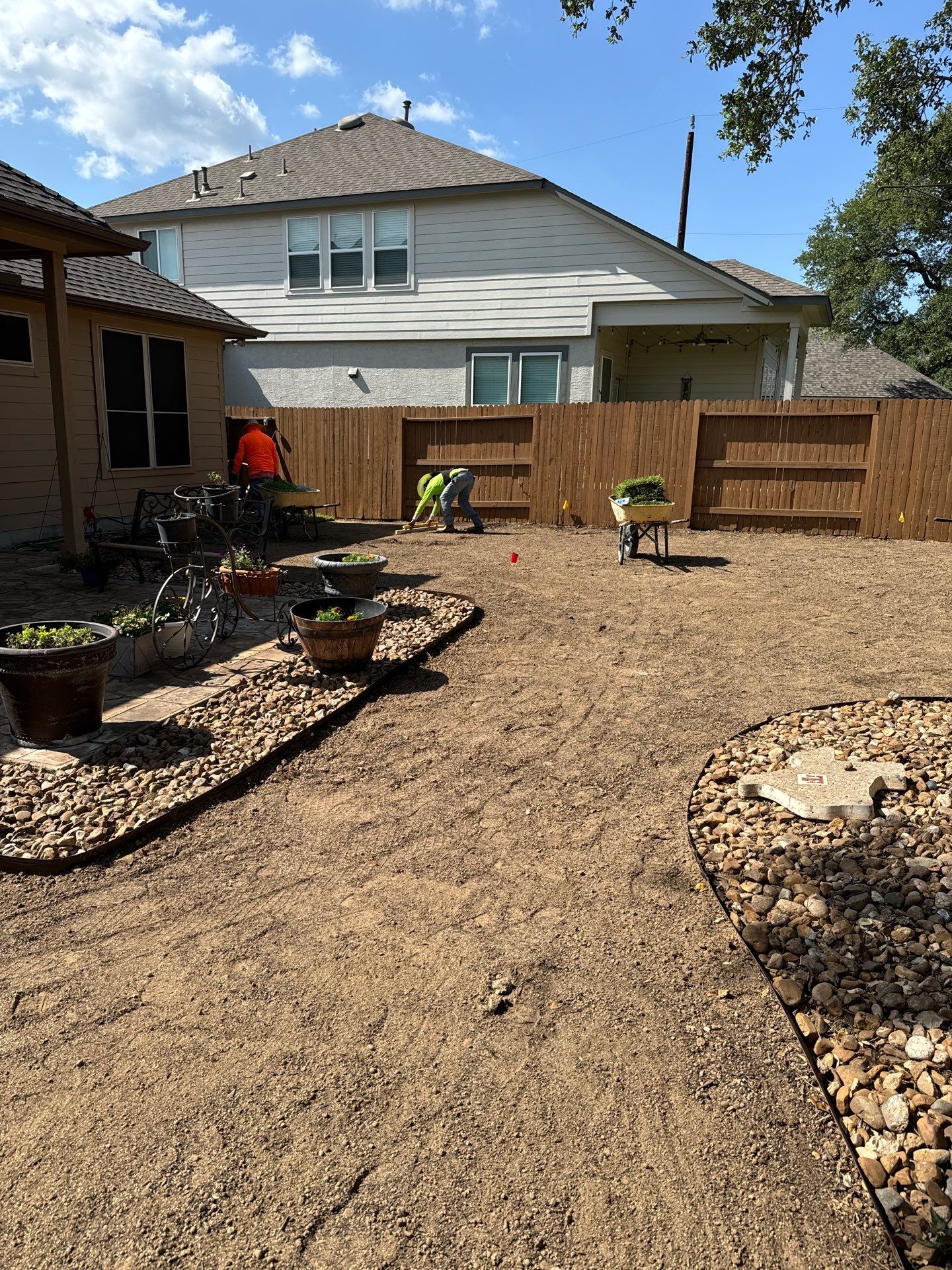
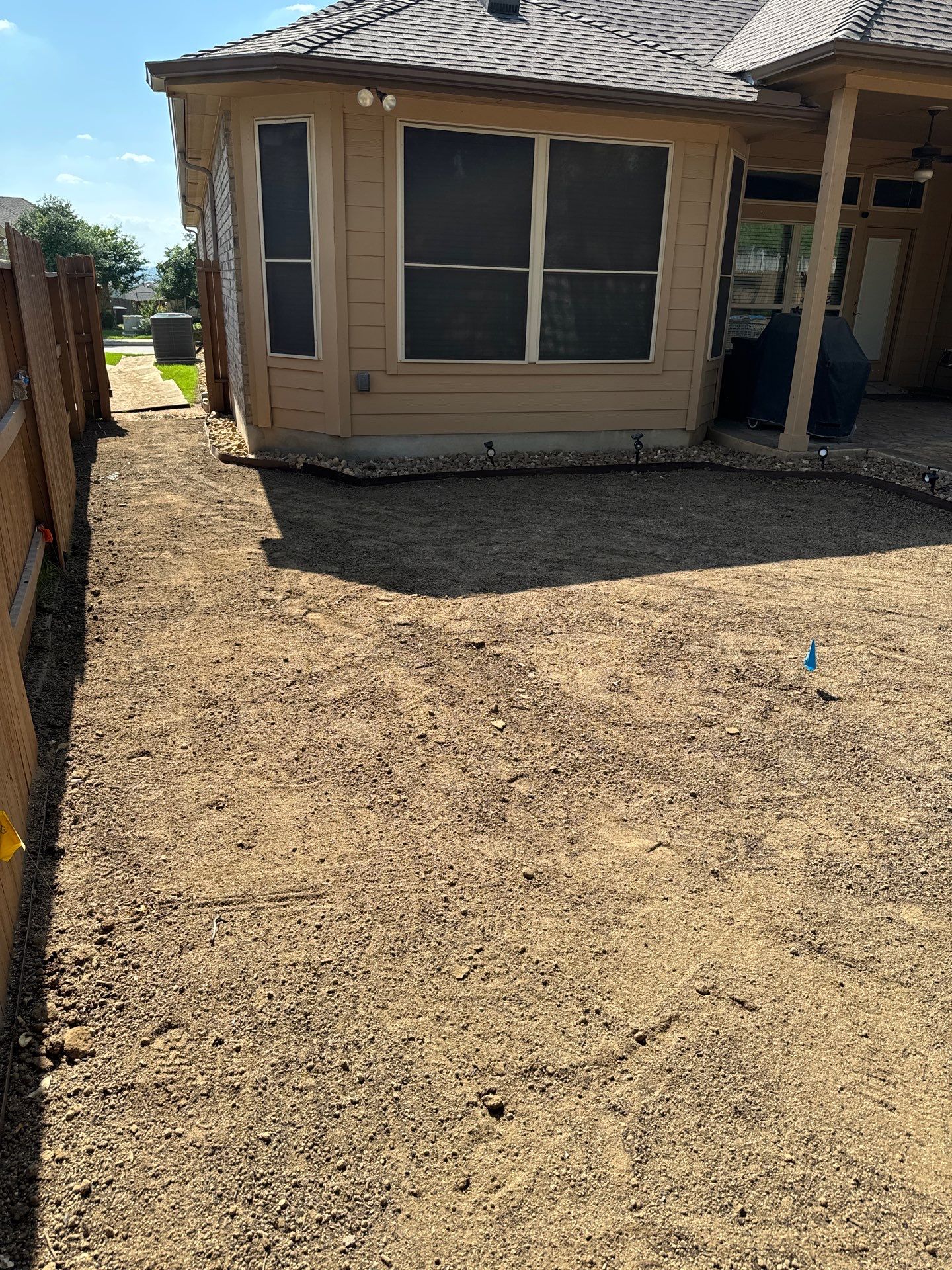
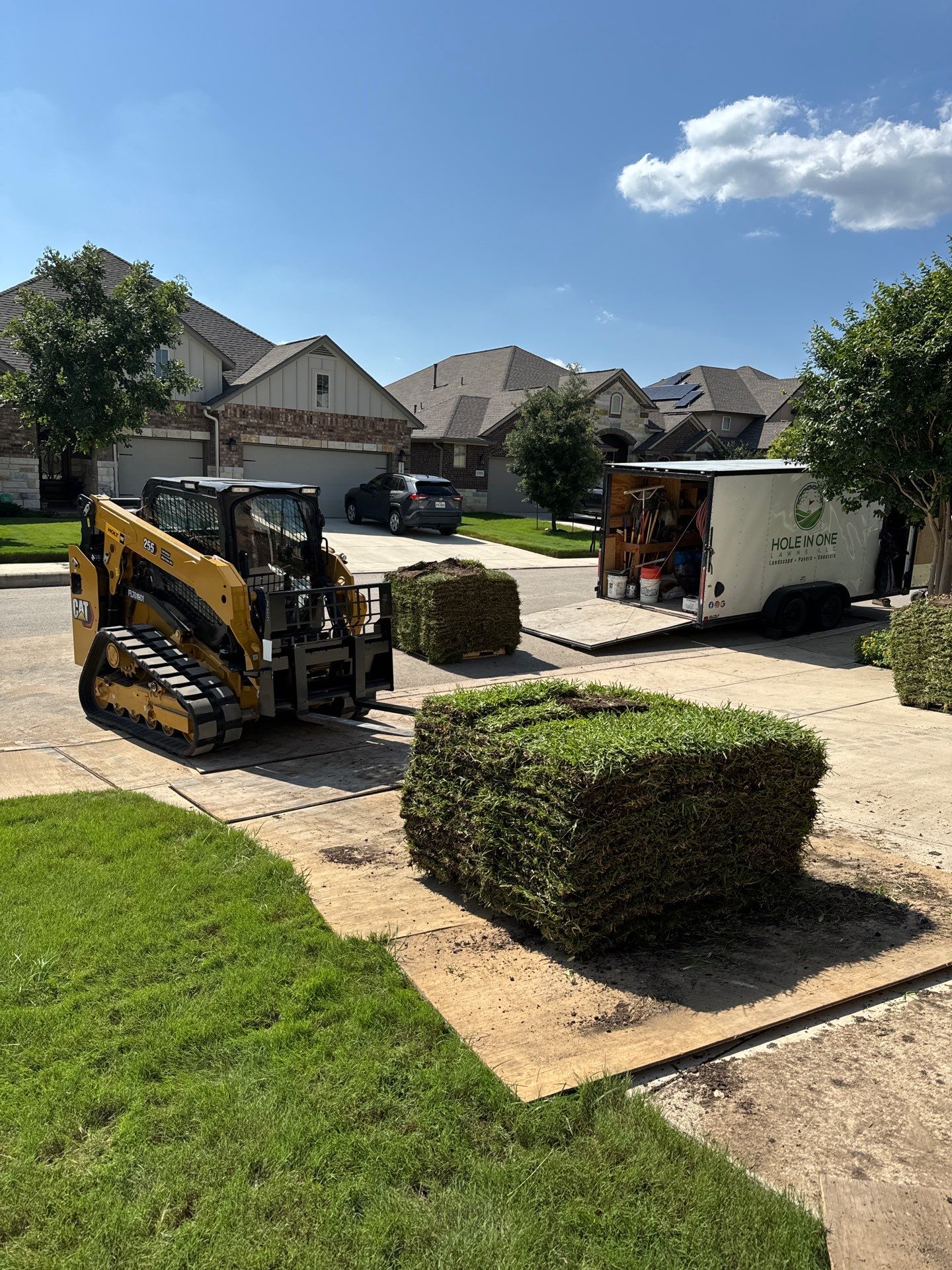
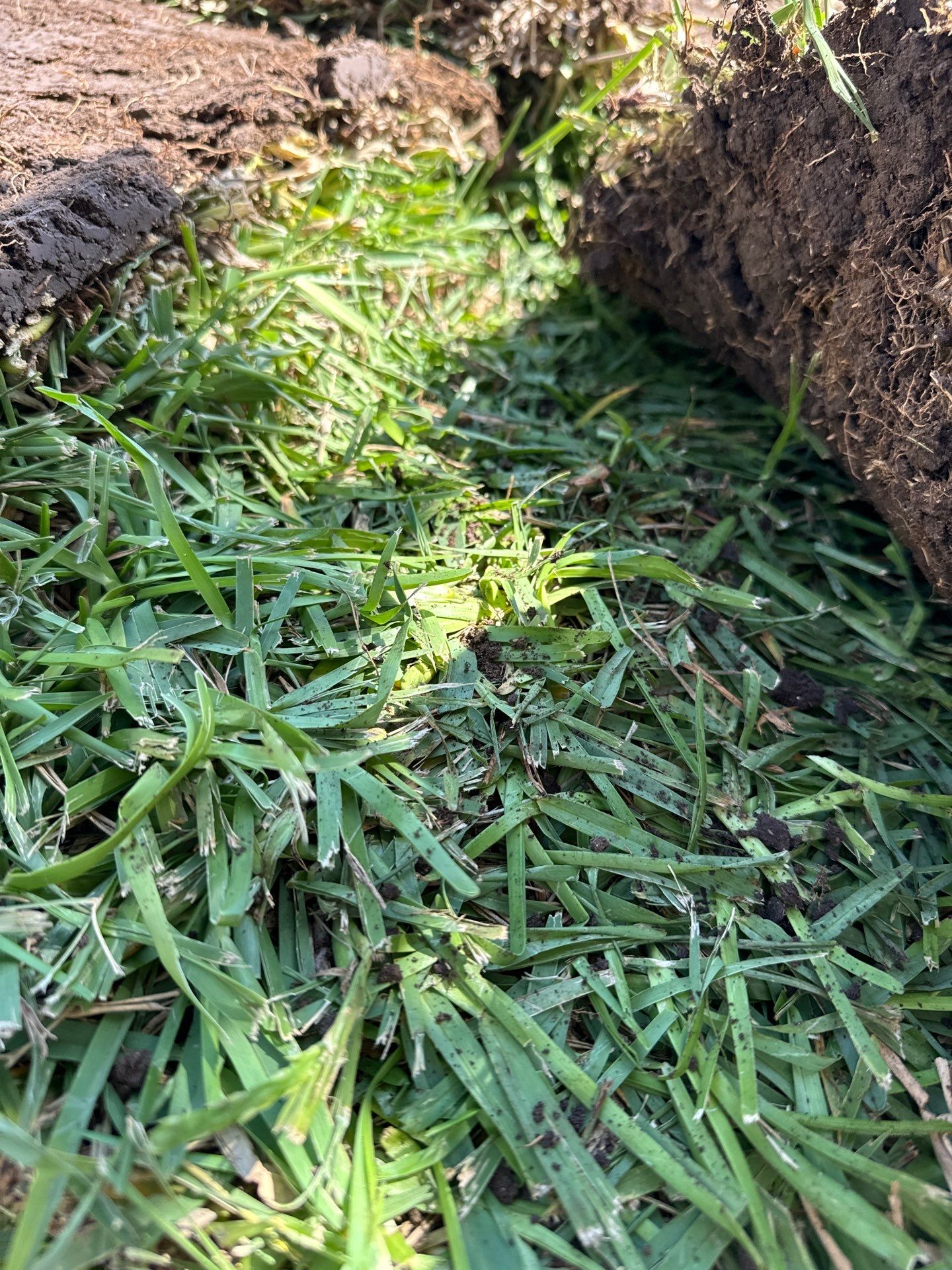
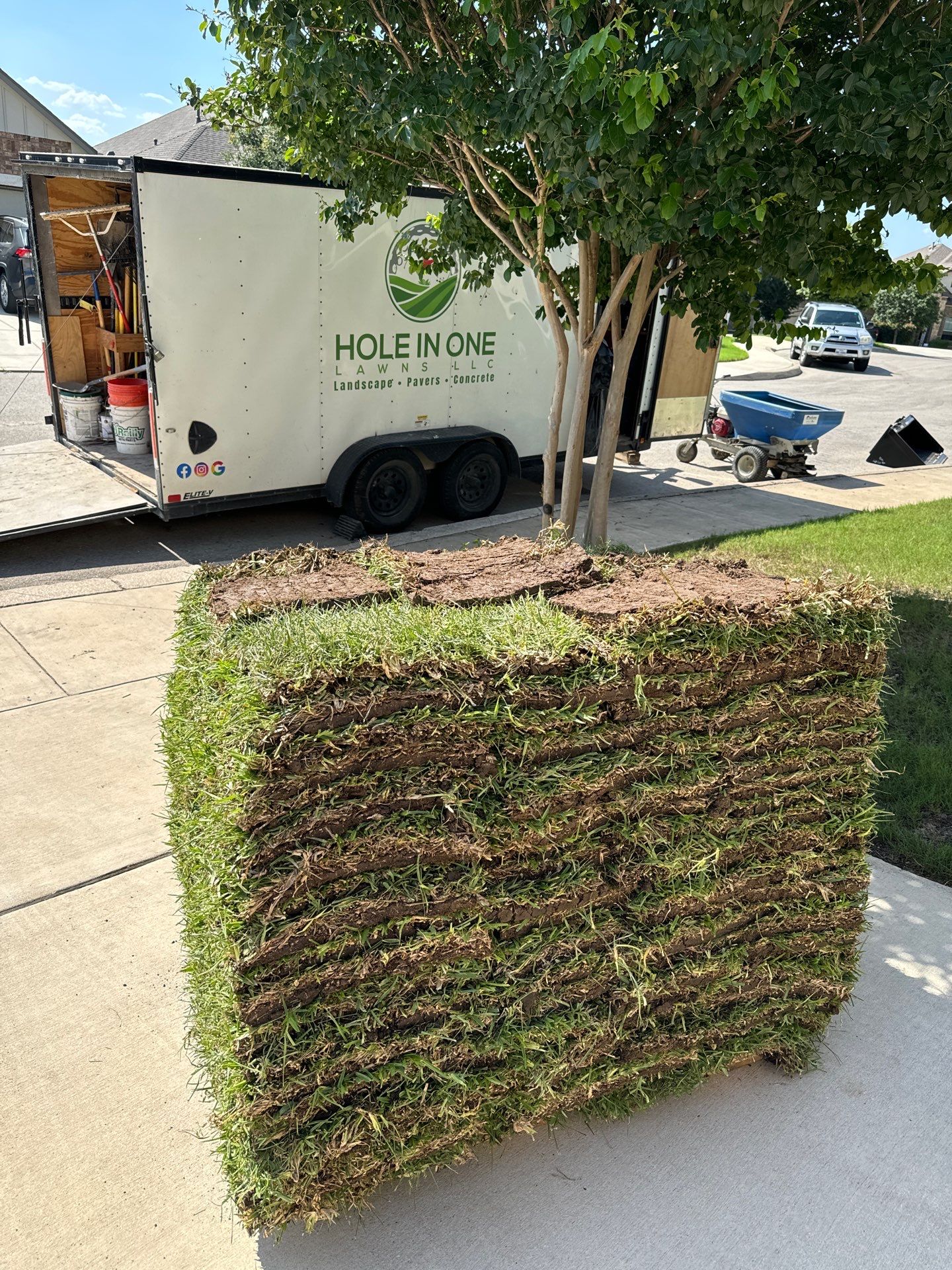
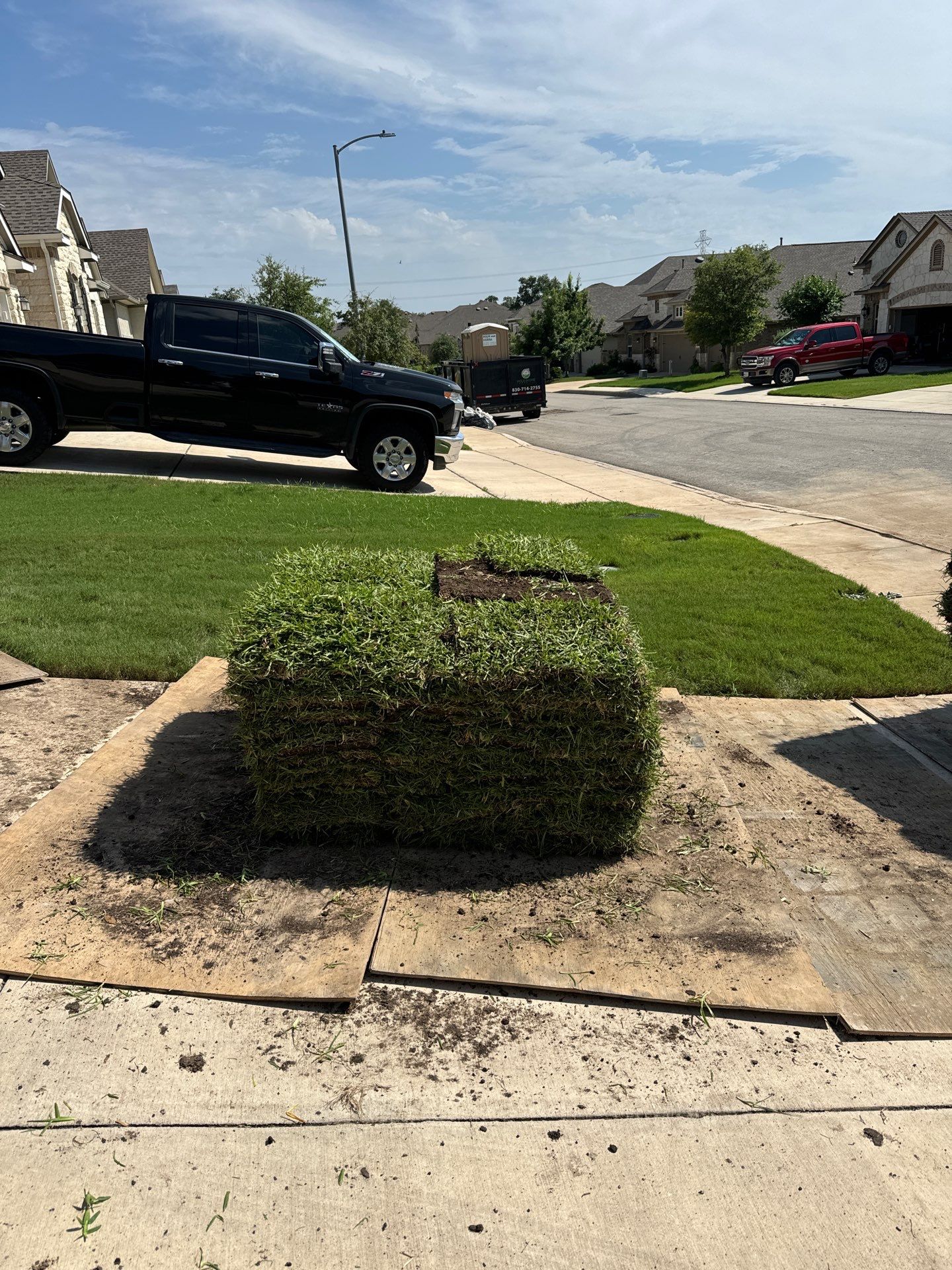
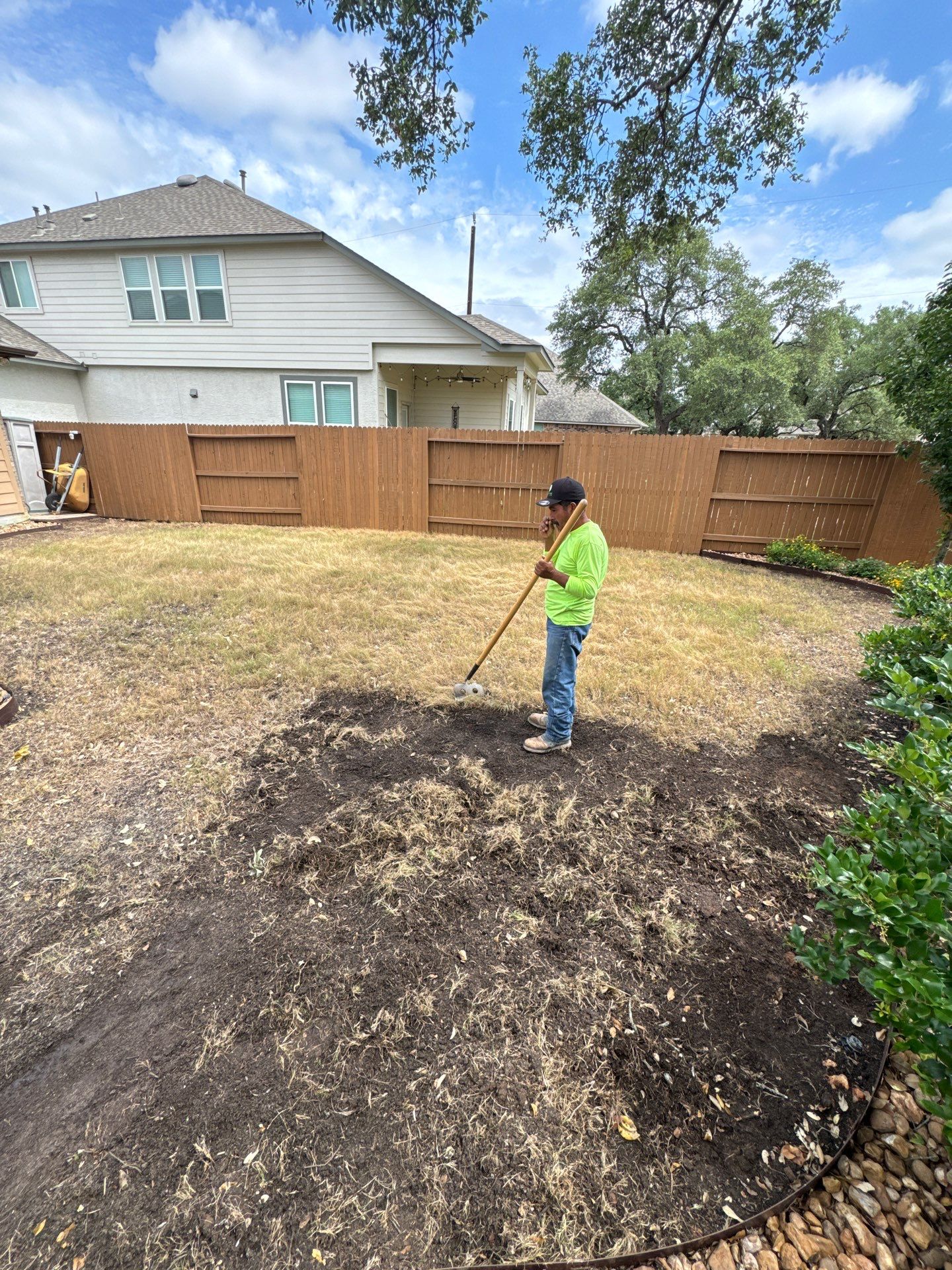
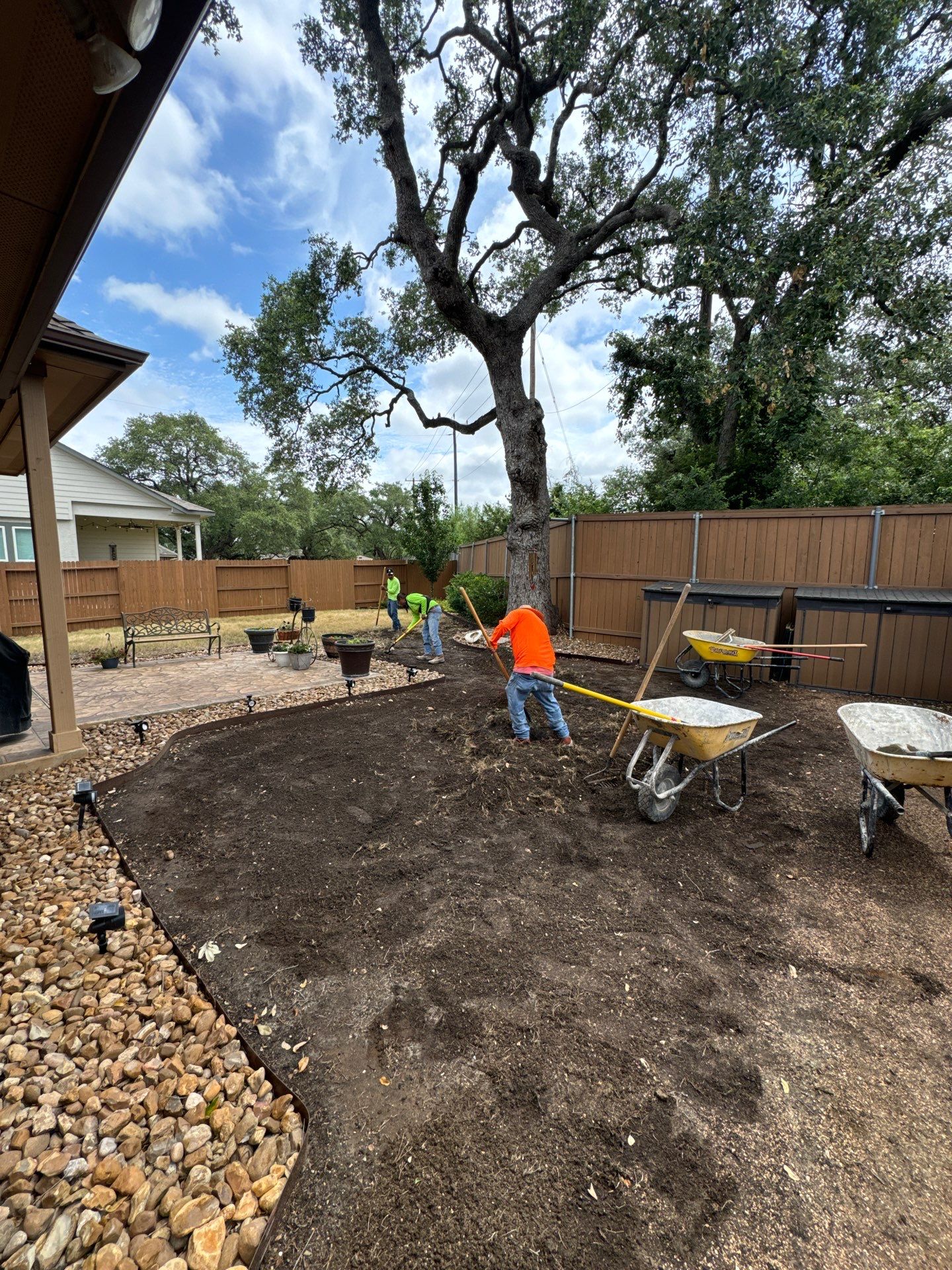
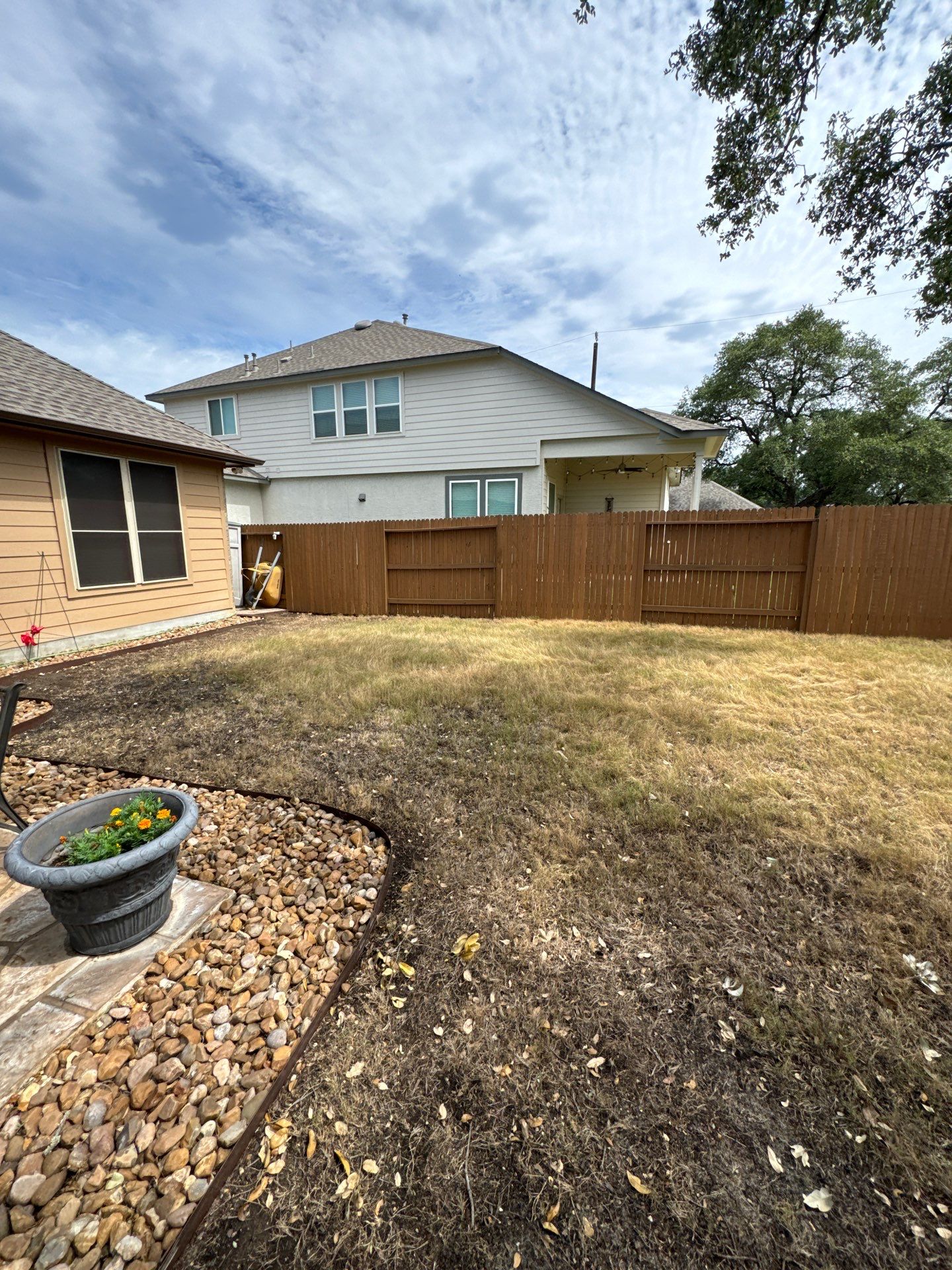
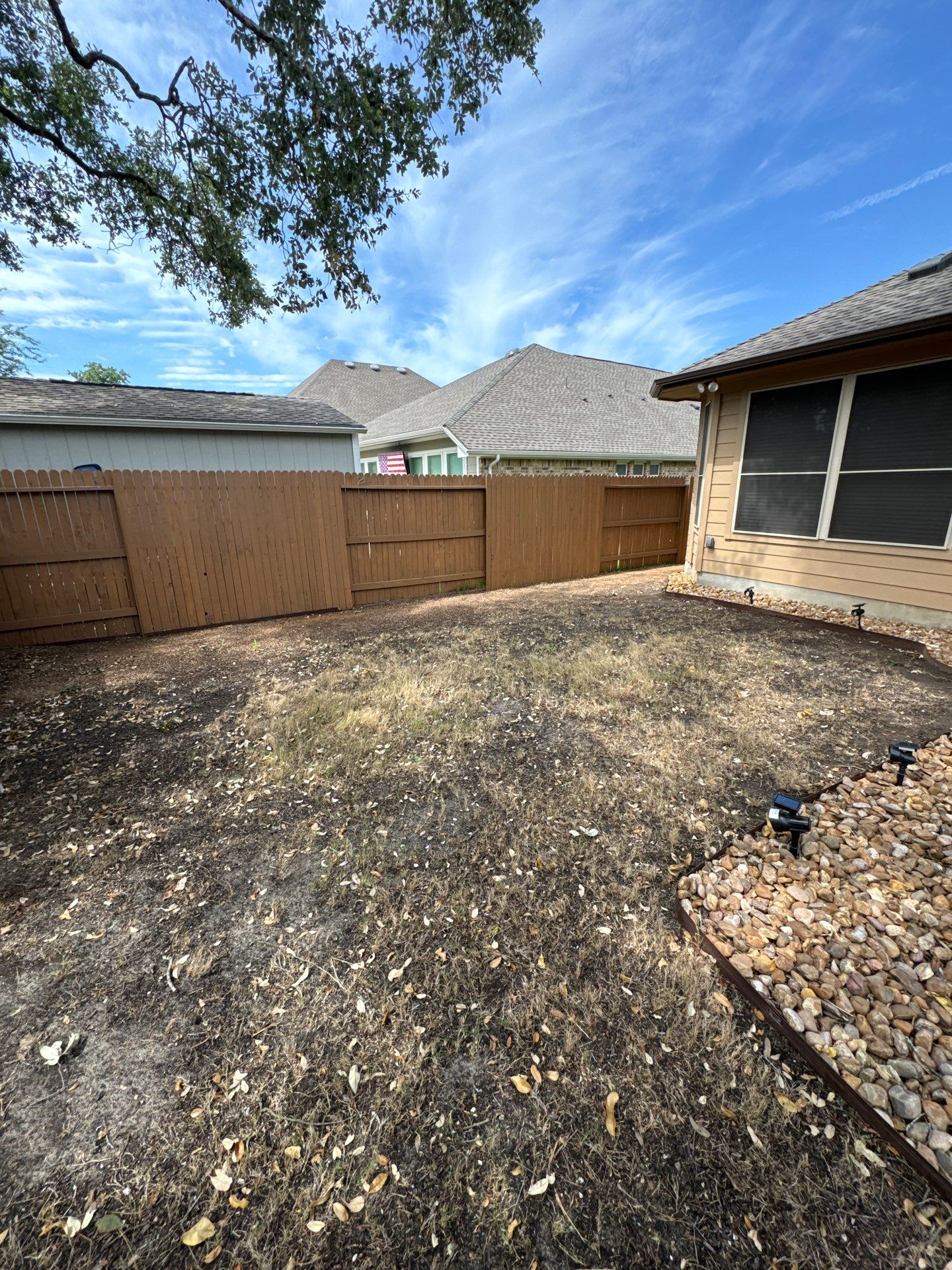
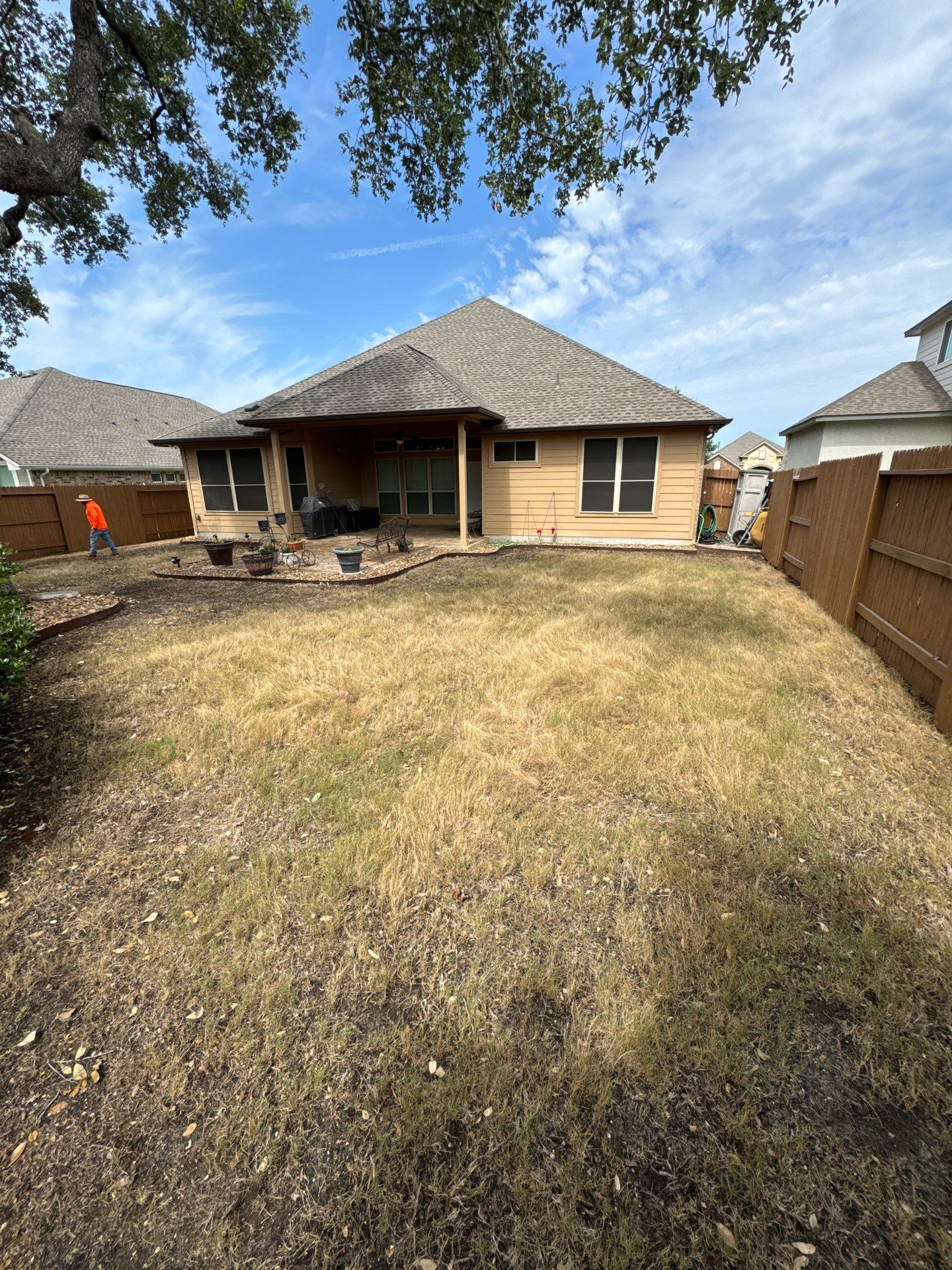
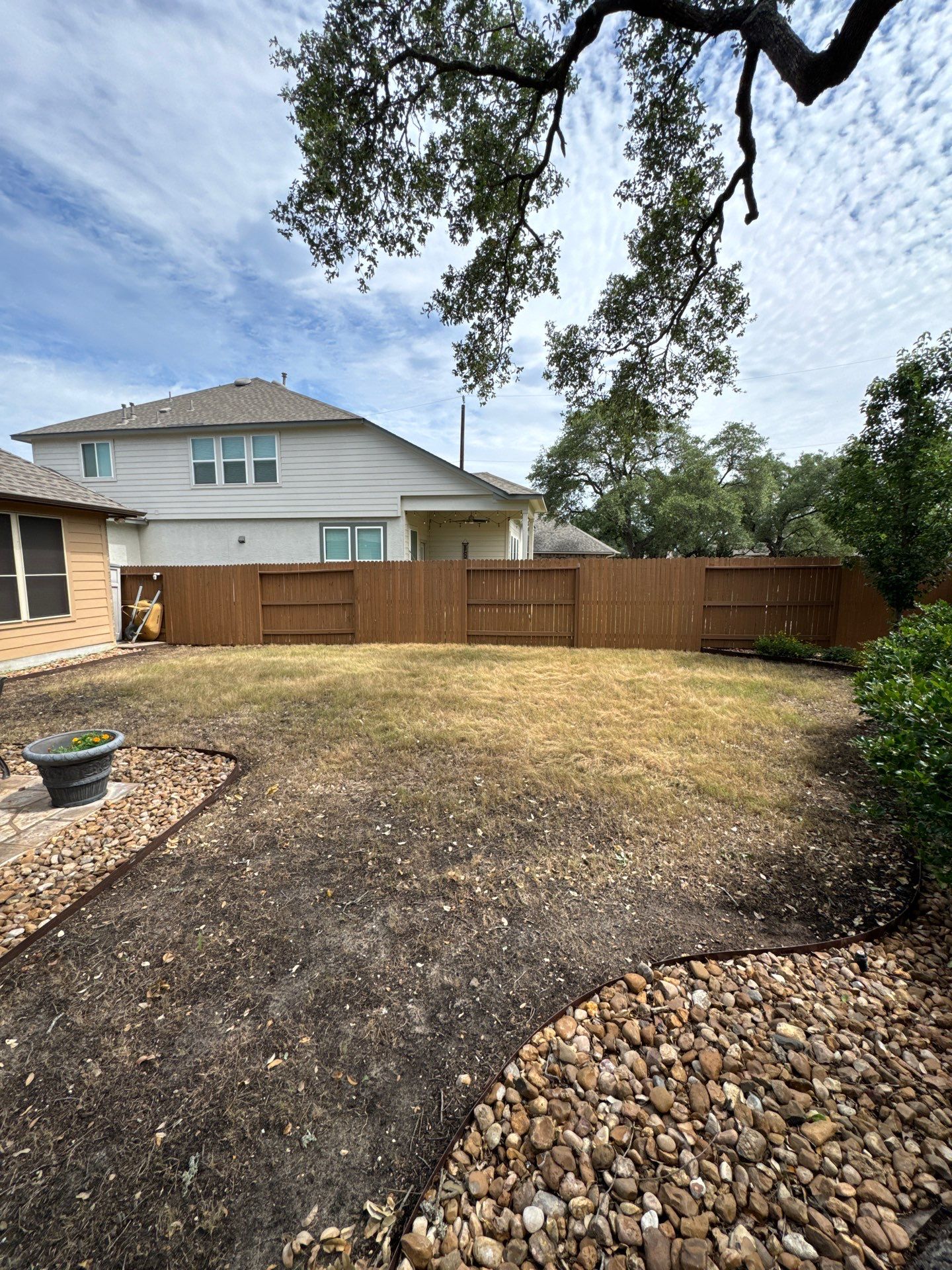
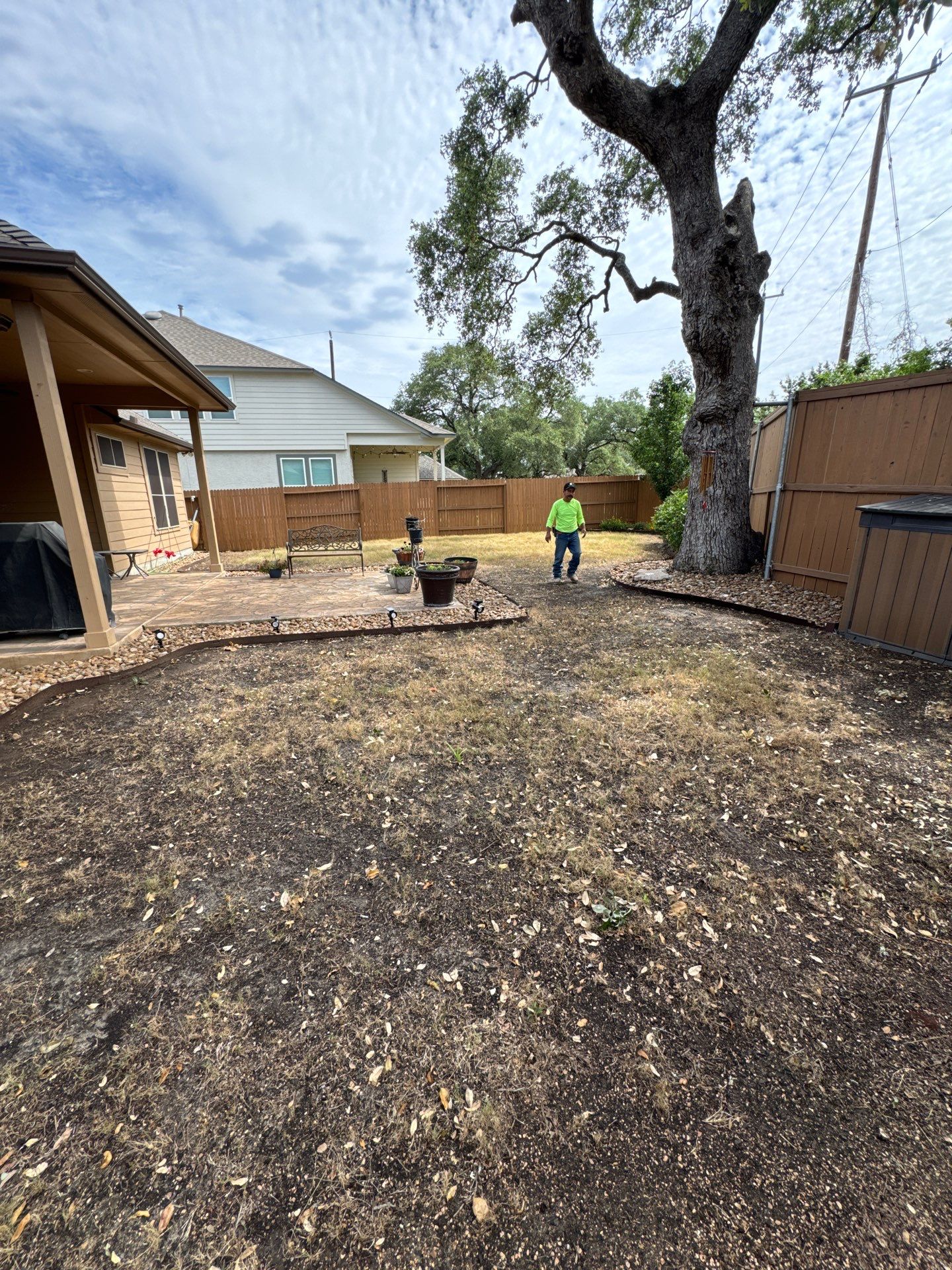
Preparation and Removal: Assess the Area: Examine the back lawn to determine the extent of the Bermuda Tifway 419 sod coverage and identify any specific challenges or obstacles. Clear the Area: Mow the existing Bermuda grass as short as possible to make removal easier. Sod Removal: Use a sod cutter to remove the old Bermuda grass, ensuring you get the root system to prevent regrowth. This can also be done manually with a shovel, although it will be more labor-intensive. Soil Preparation: Weed Removal: Clear any remaining weeds or debris from the soil to ensure a clean planting area. Soil Aeration: Aerate the soil to improve drainage and root penetration for the new sod. Soil Amendment: Add compost or topsoil if necessary to enrich the soil and create a healthy base for the new sod. Installation of St. Augustine Palmetto Sod: Sod Selection: Choose high-quality St. Augustine Palmetto sod, known for its shade tolerance, drought resistance, and lush, dense growth. Laying the Sod: Start by laying the sod along the longest straight edge of the lawn area. Unroll the sod strips in a staggered, brick-like pattern to avoid creating long seams. Fitting the Sod: Trim the edges of the sod pieces to fit around any curves, flowerbeds, or other obstacles using a sharp knife or sod cutter. Post-Installation Care: Watering: Immediately water the newly installed sod thoroughly to ensure the soil and sod are well-moistened. Continue to water daily for the first two weeks to help establish the roots. Rolling: Use a lawn roller to press the sod firmly into the soil, eliminating air pockets and ensuring good contact between the sod and the soil. First Mowing: Wait until the sod has firmly rooted (typically 2-3 weeks) before mowing. Set the mower to a higher setting to avoid stressing the new grass. Maintenance: Ongoing Watering: Gradually reduce watering frequency but ensure the lawn receives about 1-1.5 inches of water per week. Fertilization: Apply a balanced lawn fertilizer about 4-6 weeks after installation to promote healthy growth. Weed Control: Monitor for weeds and address them promptly using appropriate herbicides or manual removal. Benefits: Improved Lawn Quality: St. Augustine Palmetto sod provides a dense, lush lawn that is highly resistant to drought and shade. Durability: This sod type is well-suited for high-traffic areas and can withstand various weather conditions. Low Maintenance: St. Augustine Palmetto requires less frequent mowing and is less prone to weed invasions compared to Bermuda grass. This process ensures a successful transition from Bermuda Tifway 419 sod to St. Augustine Palmetto sod, resulting in a healthier, more resilient, and visually appealing back lawn.
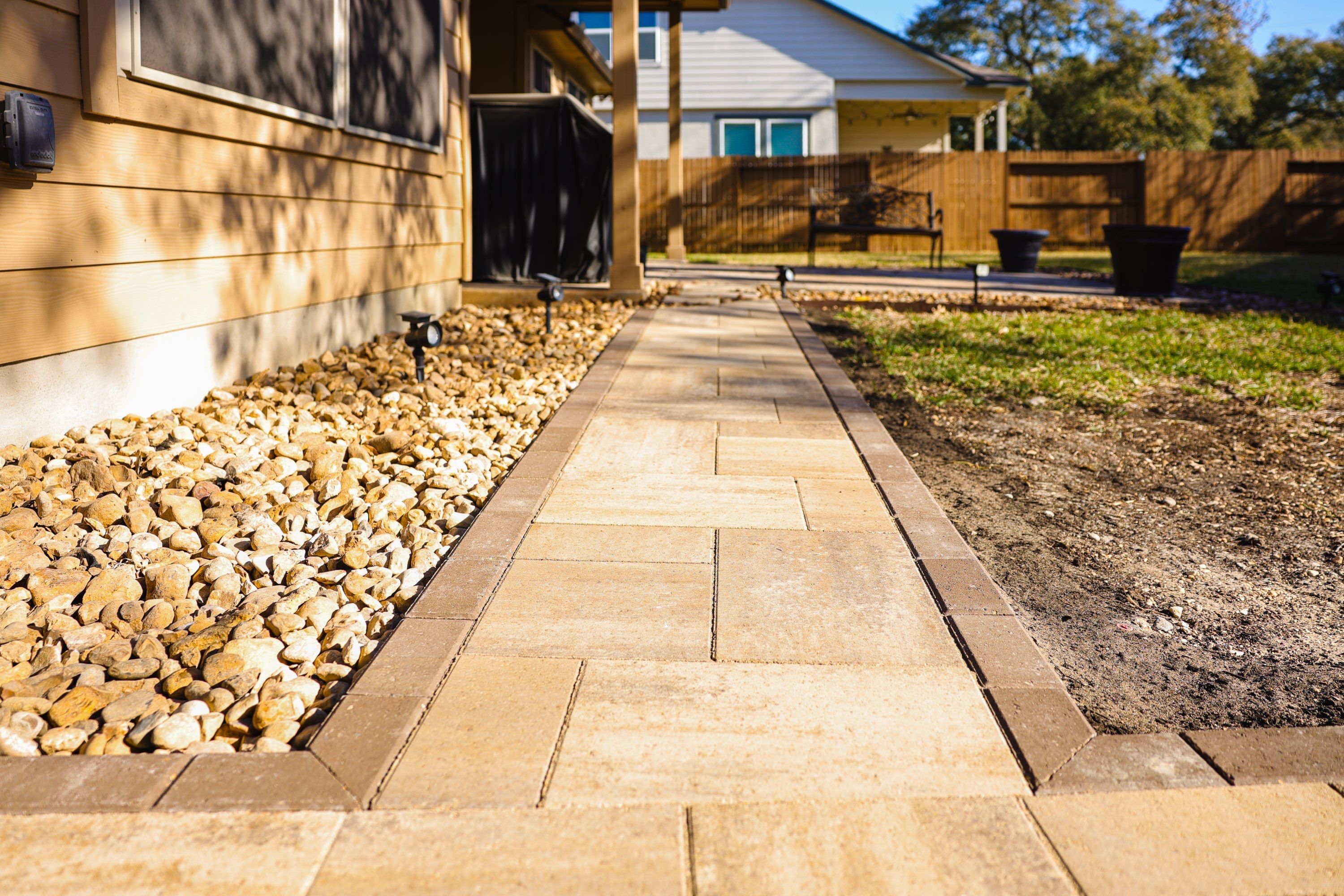
St Augustine Sod Palmetto , Landscaping Enhancement
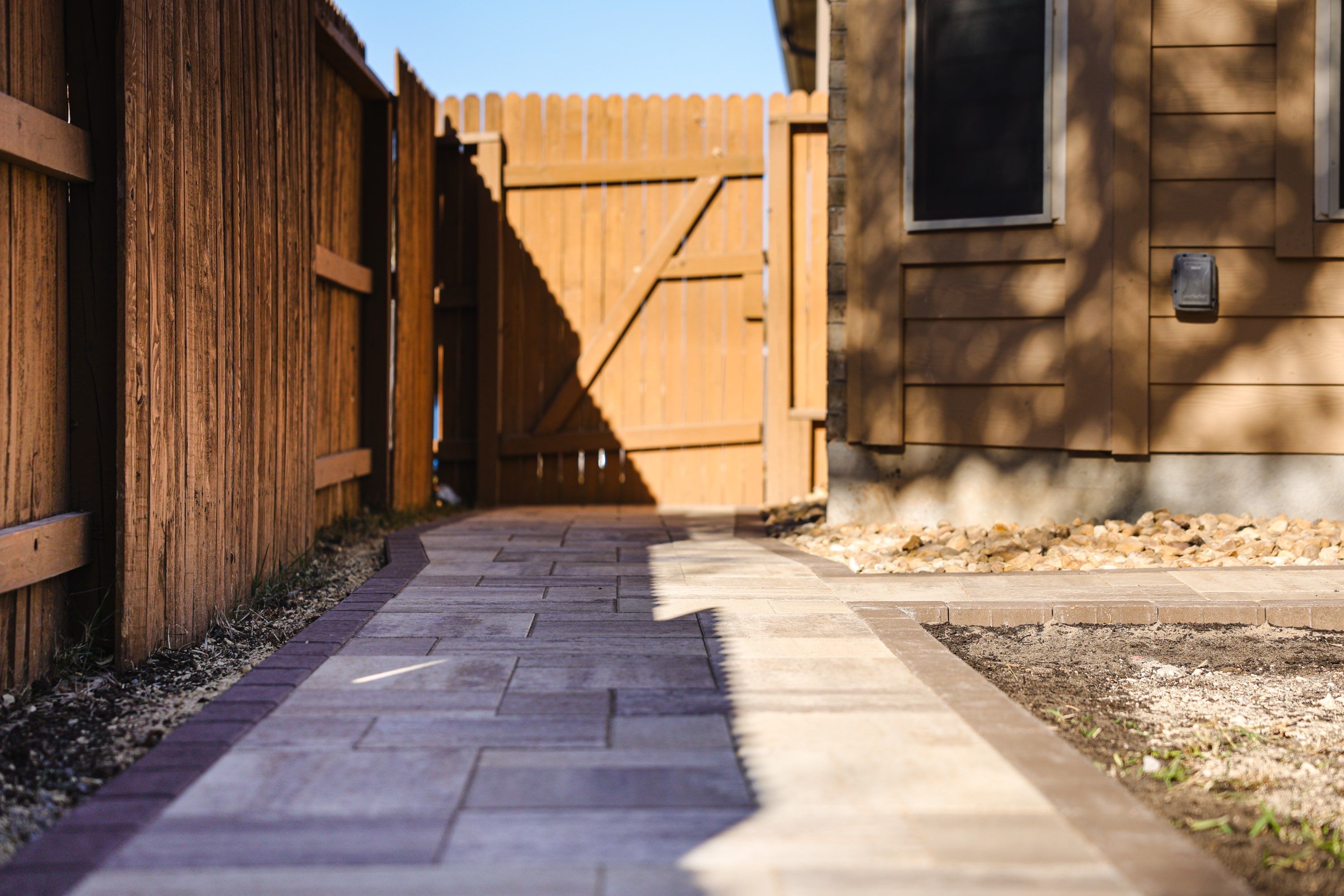
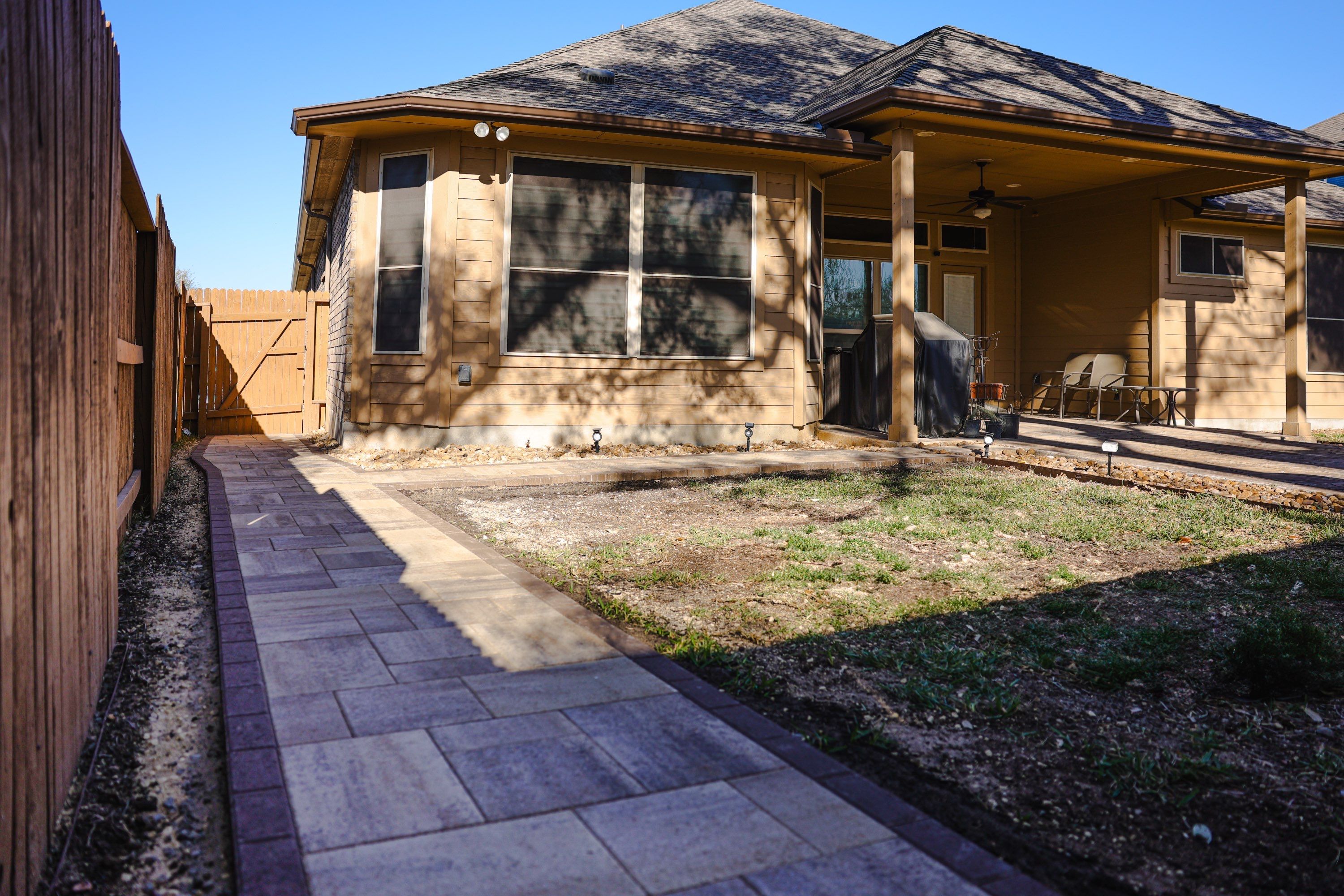
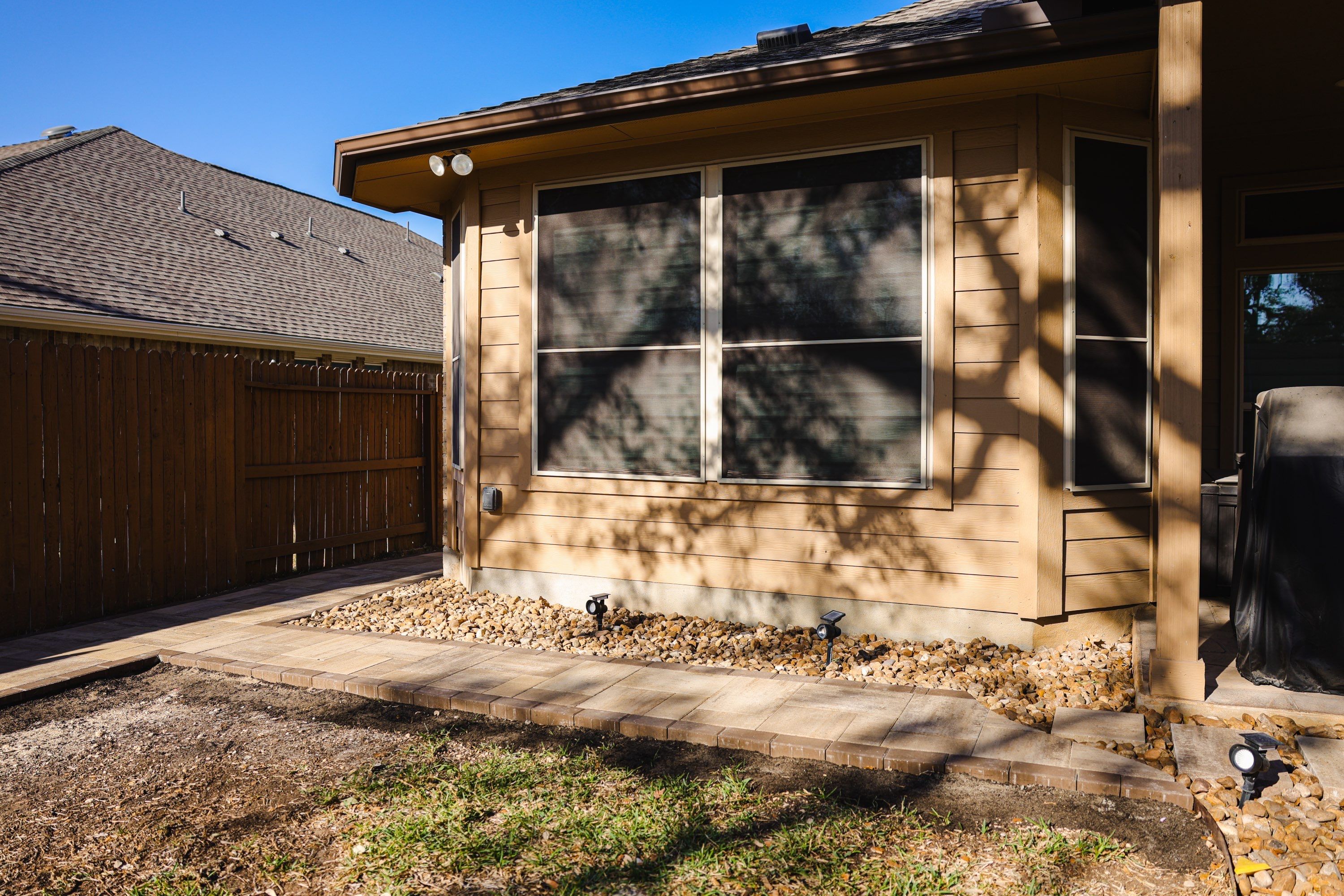
Wortham Oaks - San Antonio, TX