Project by Salazar Electric
January 2026
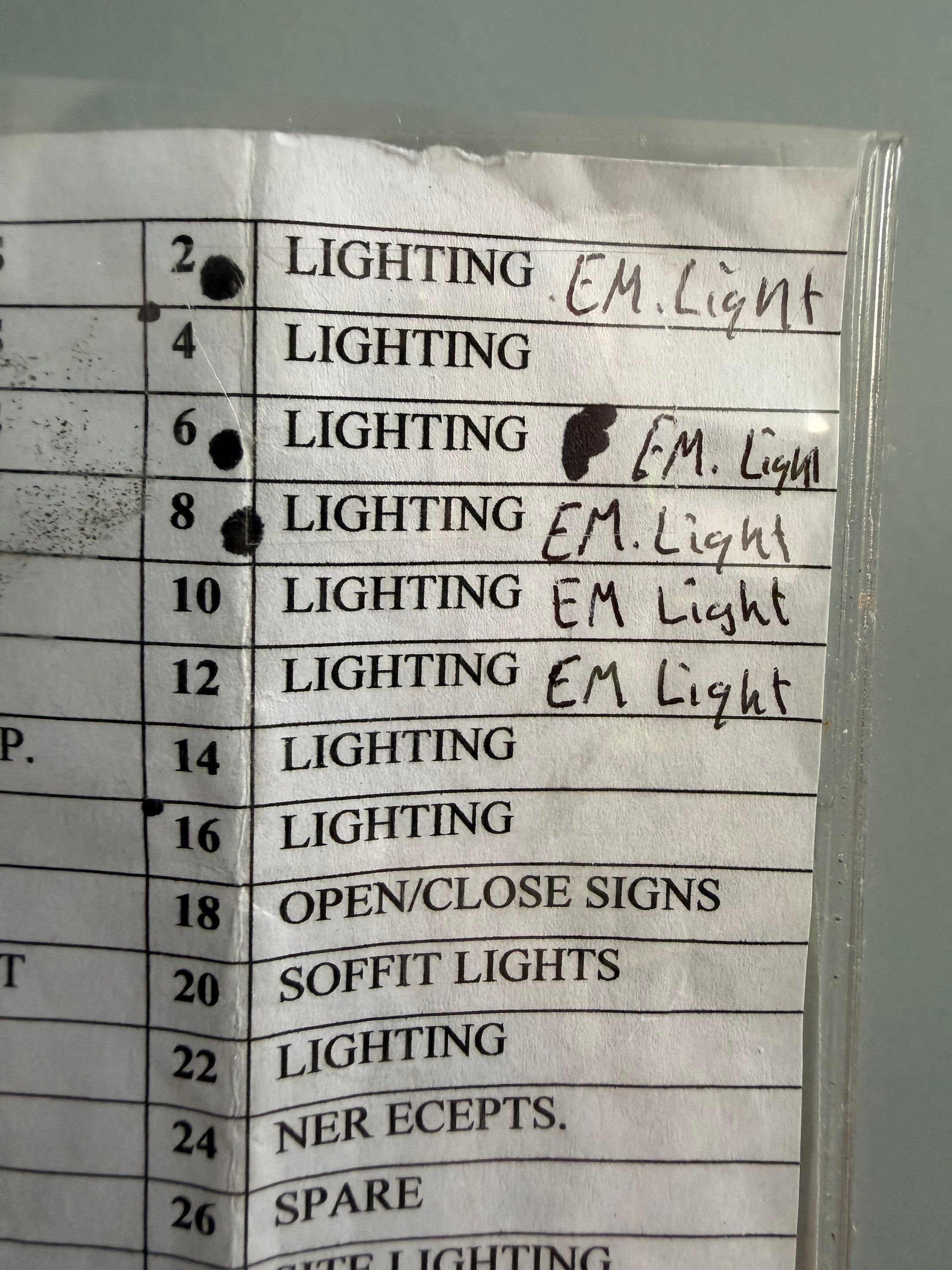
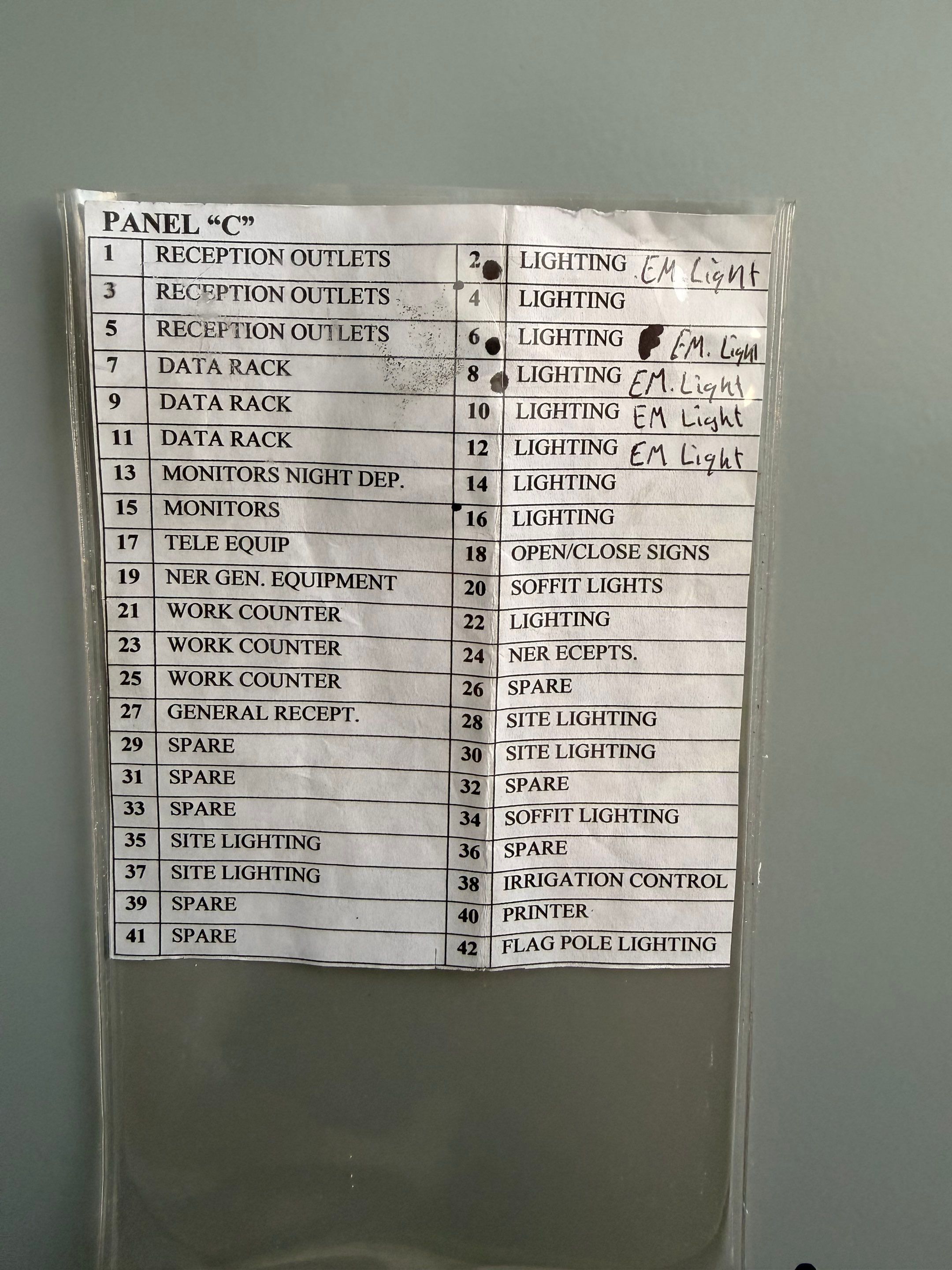
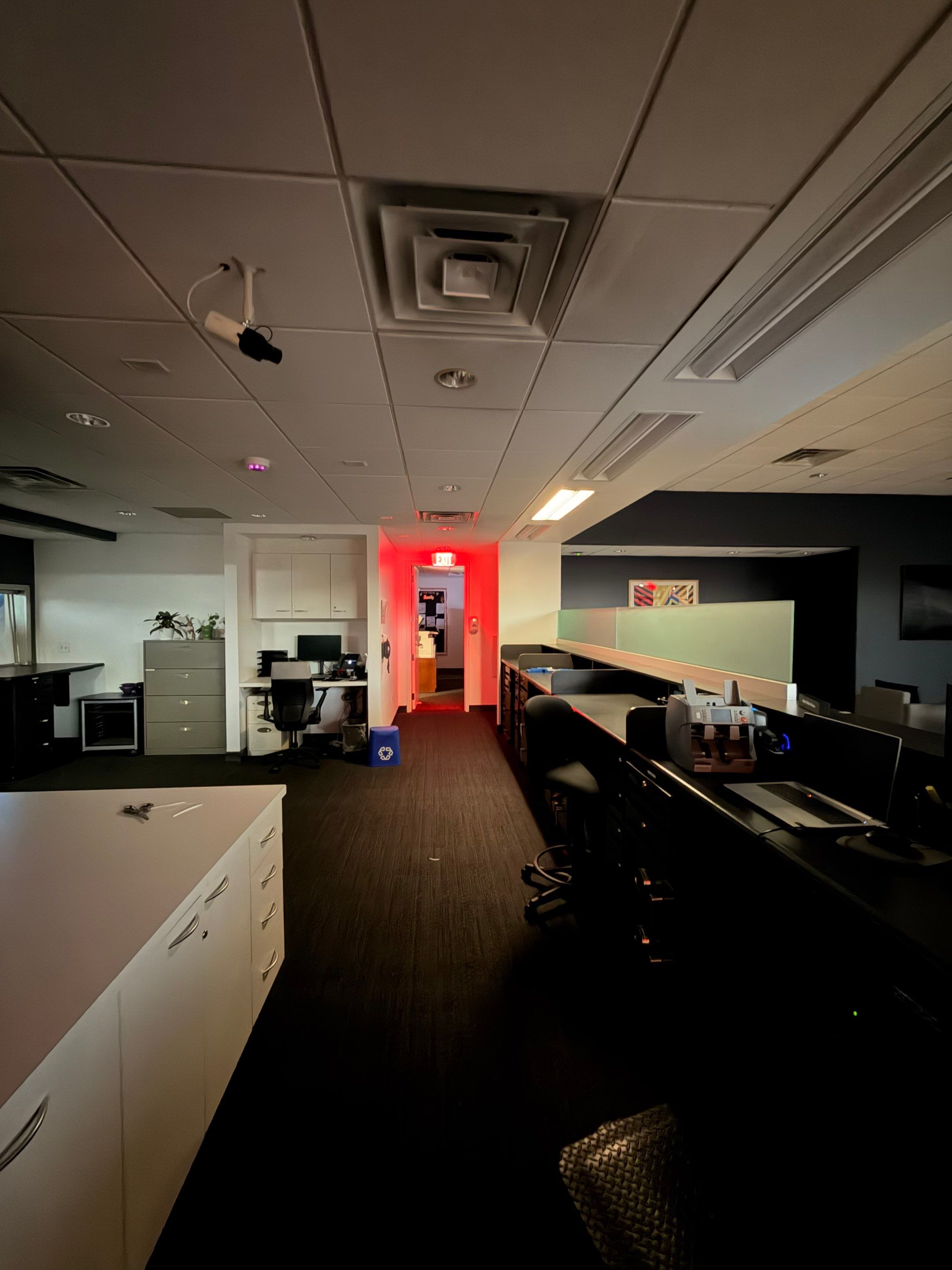
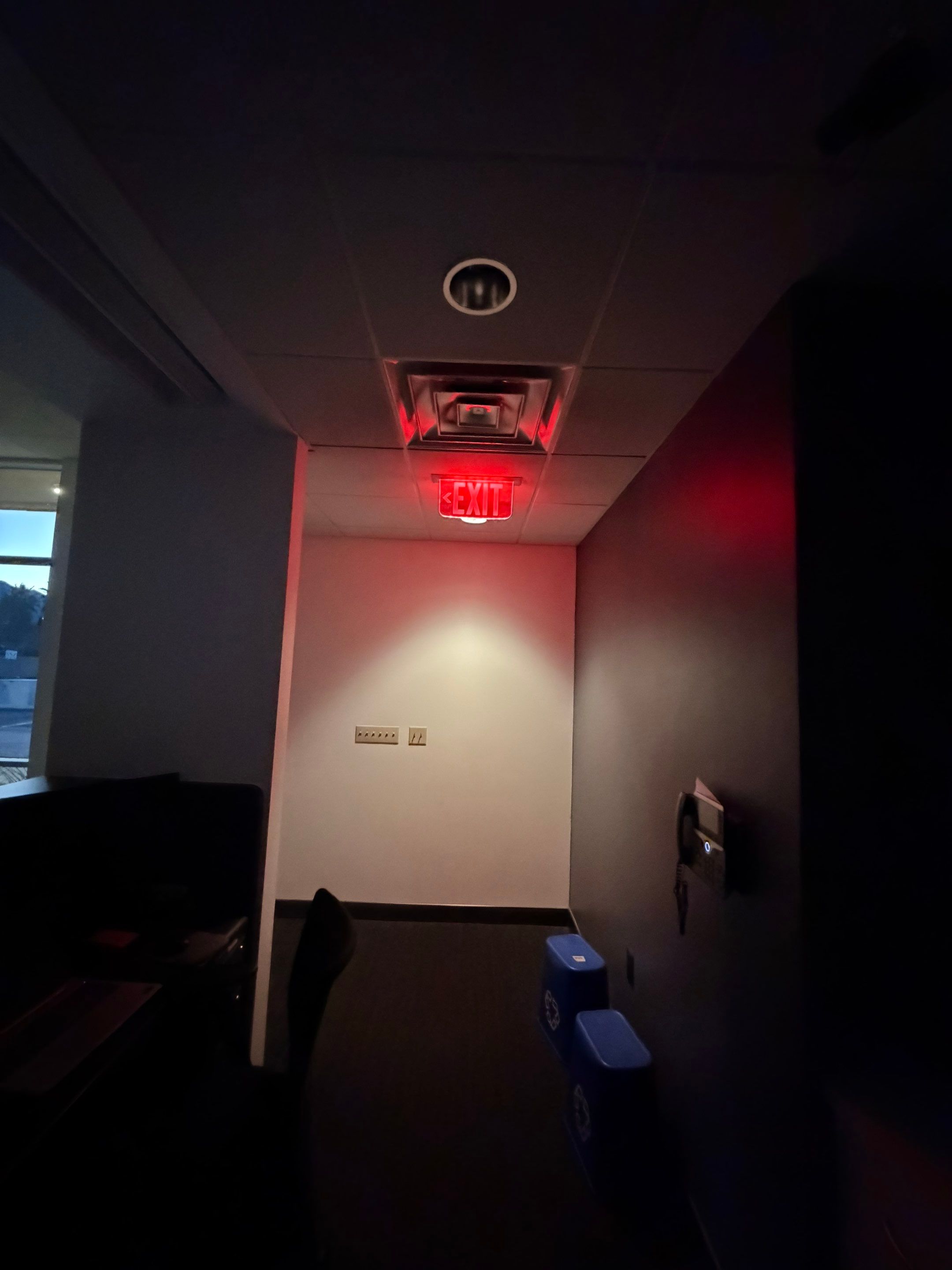
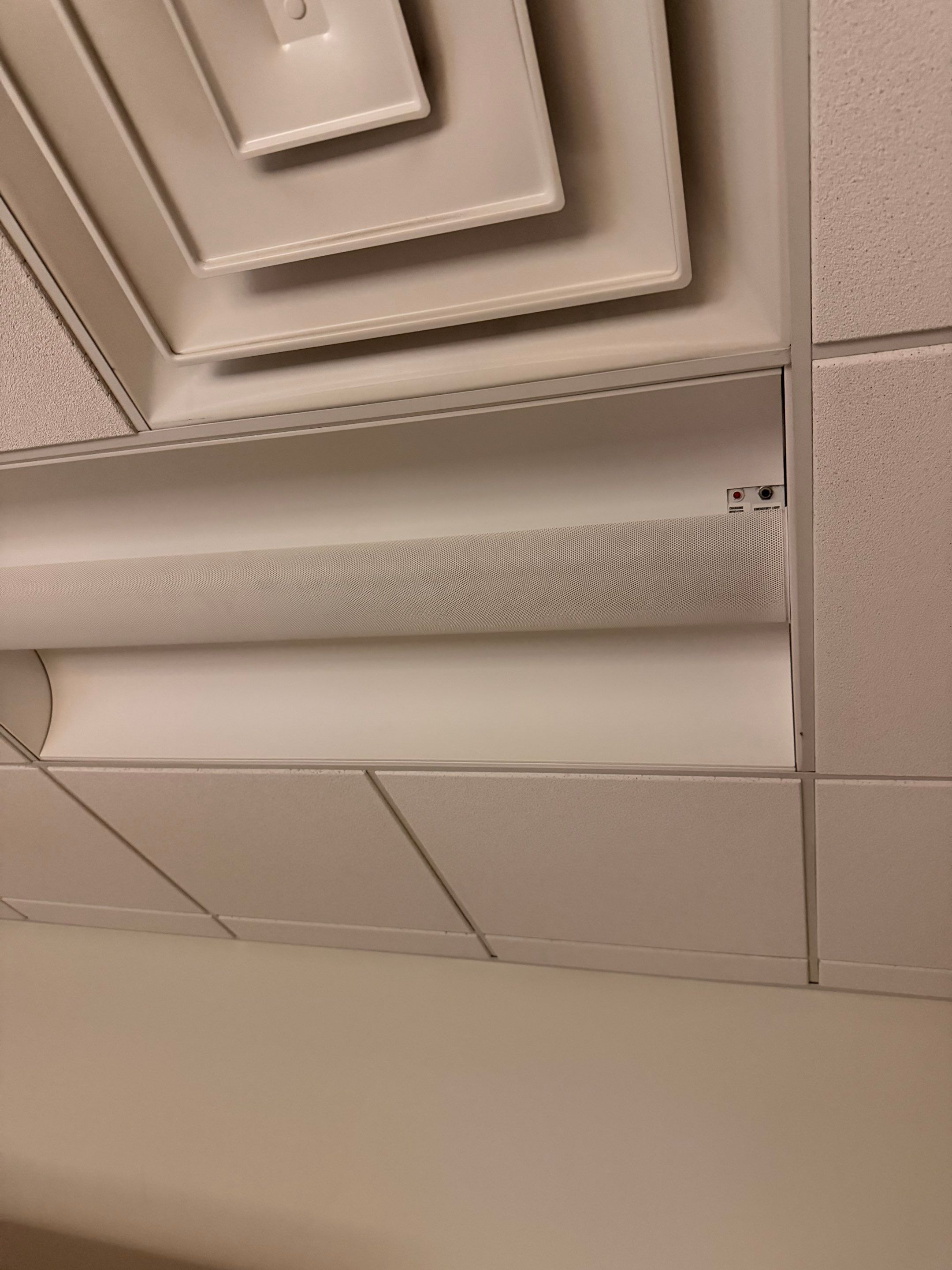
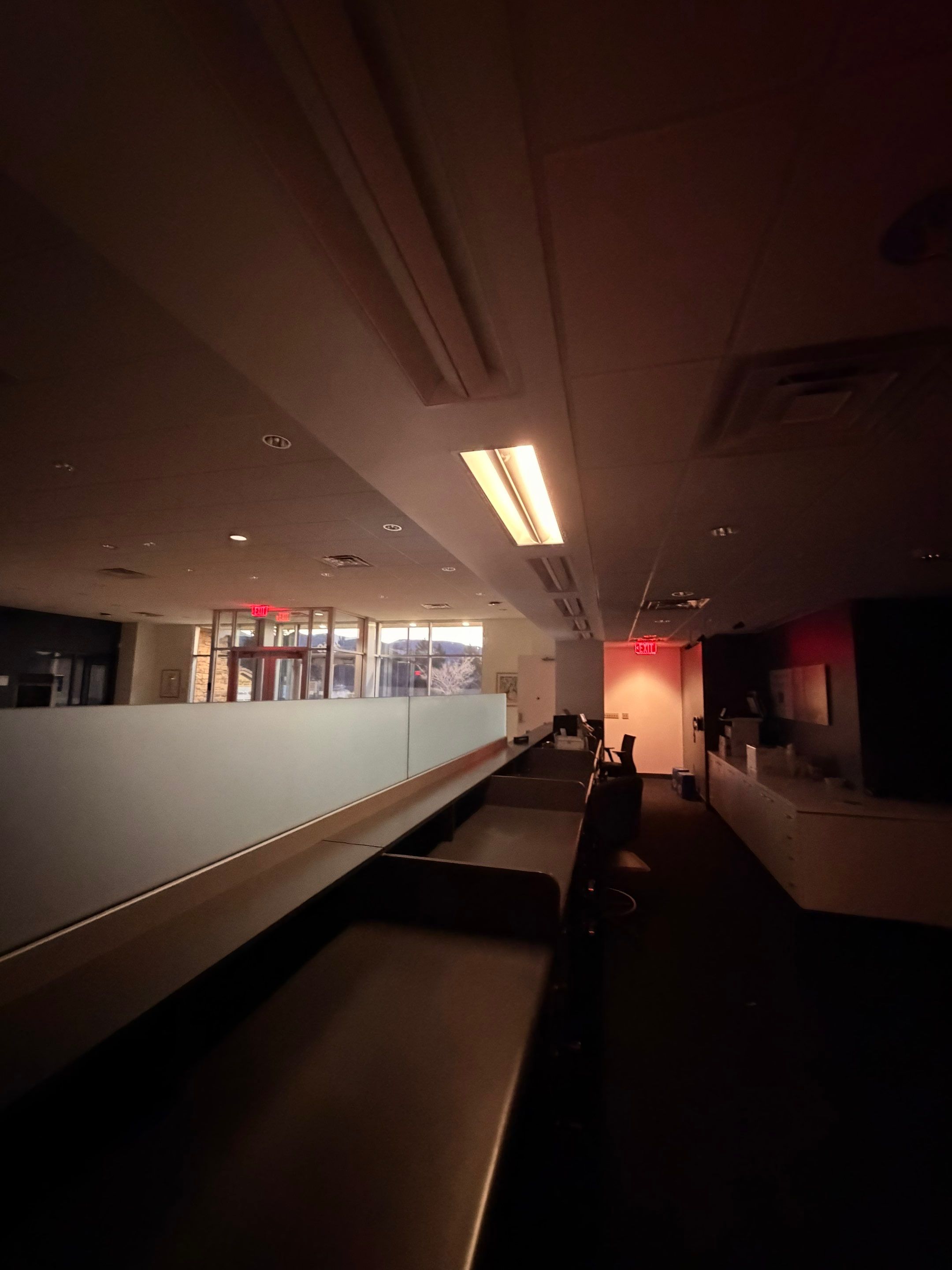
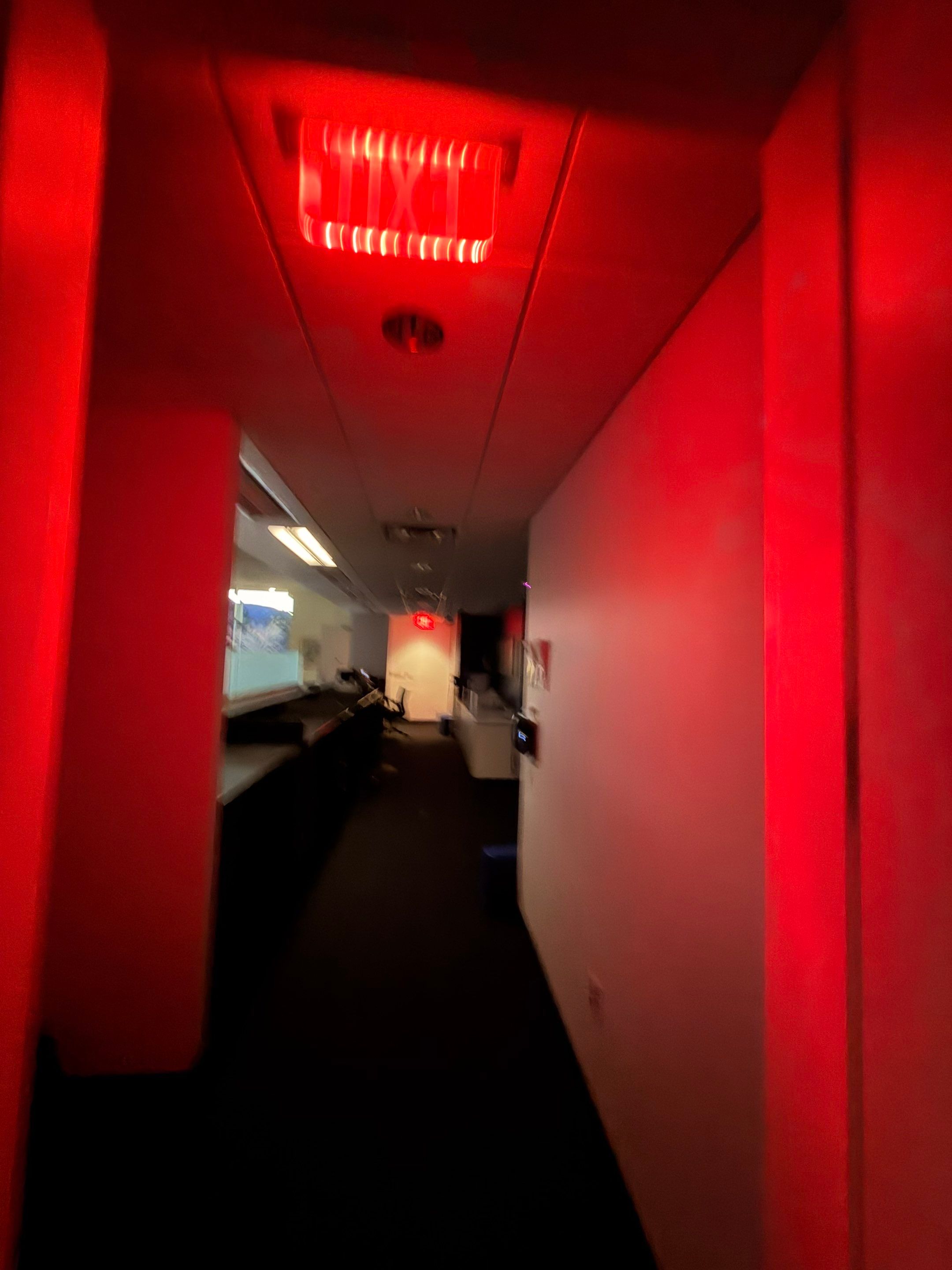
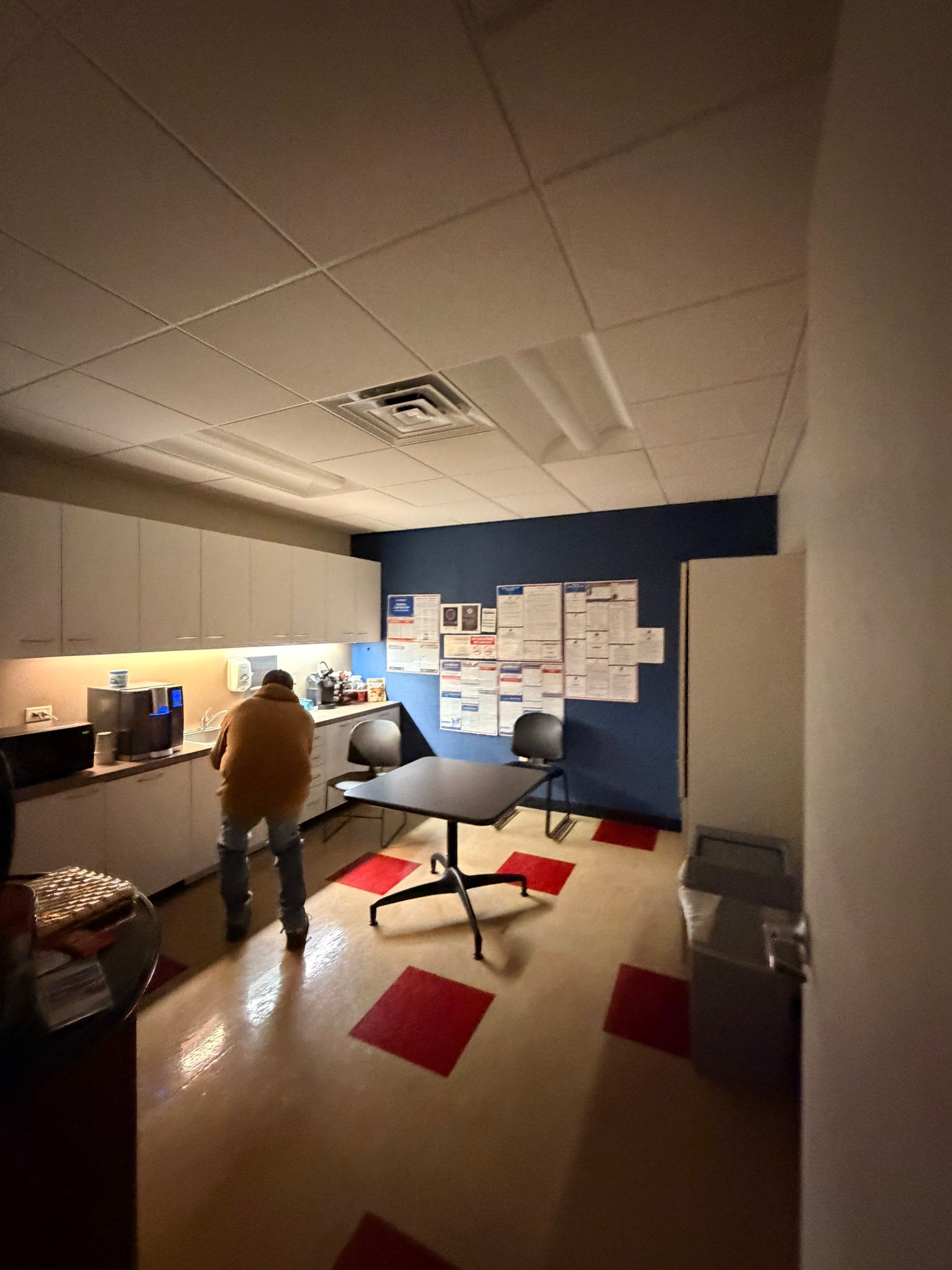
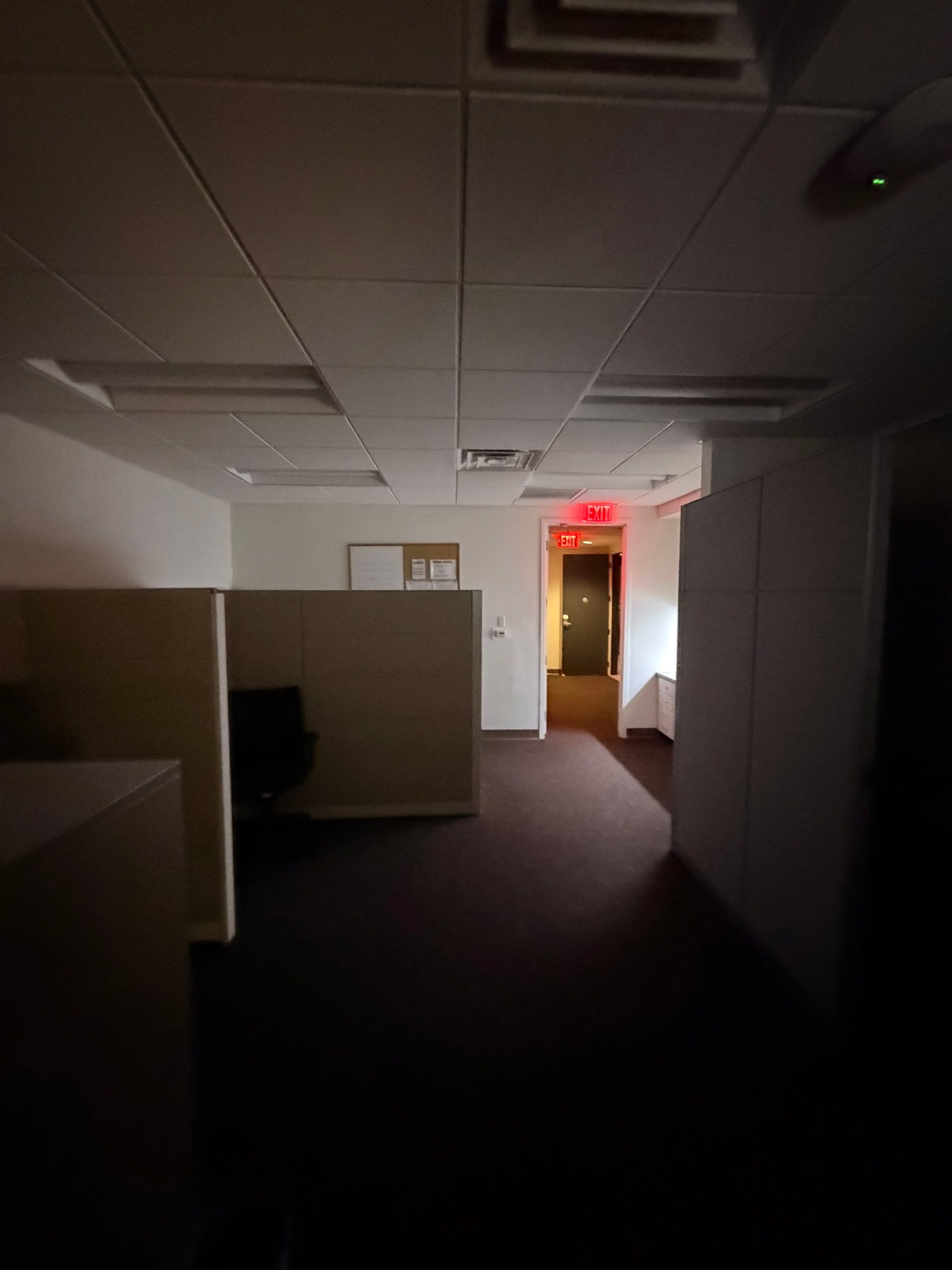
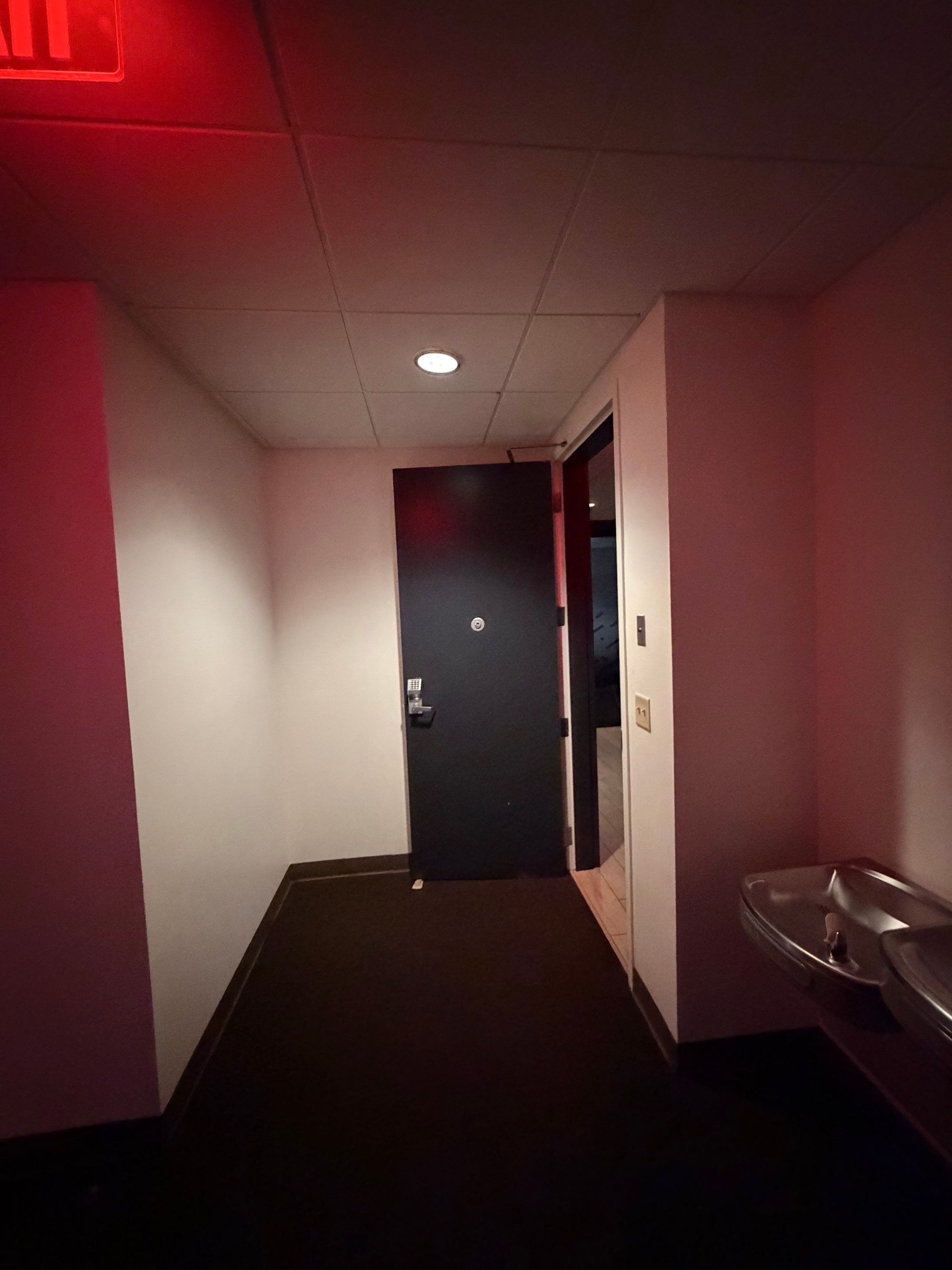
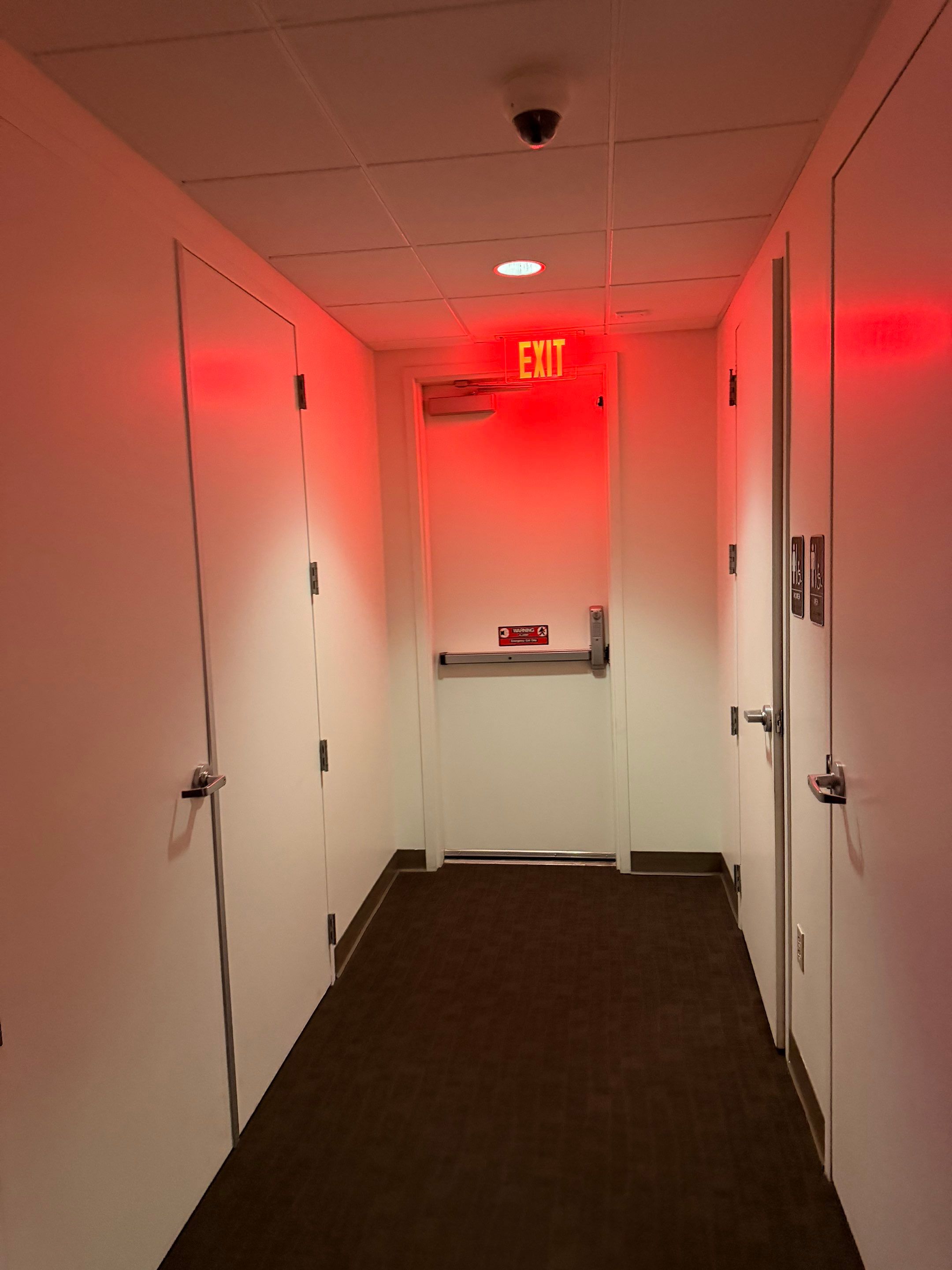
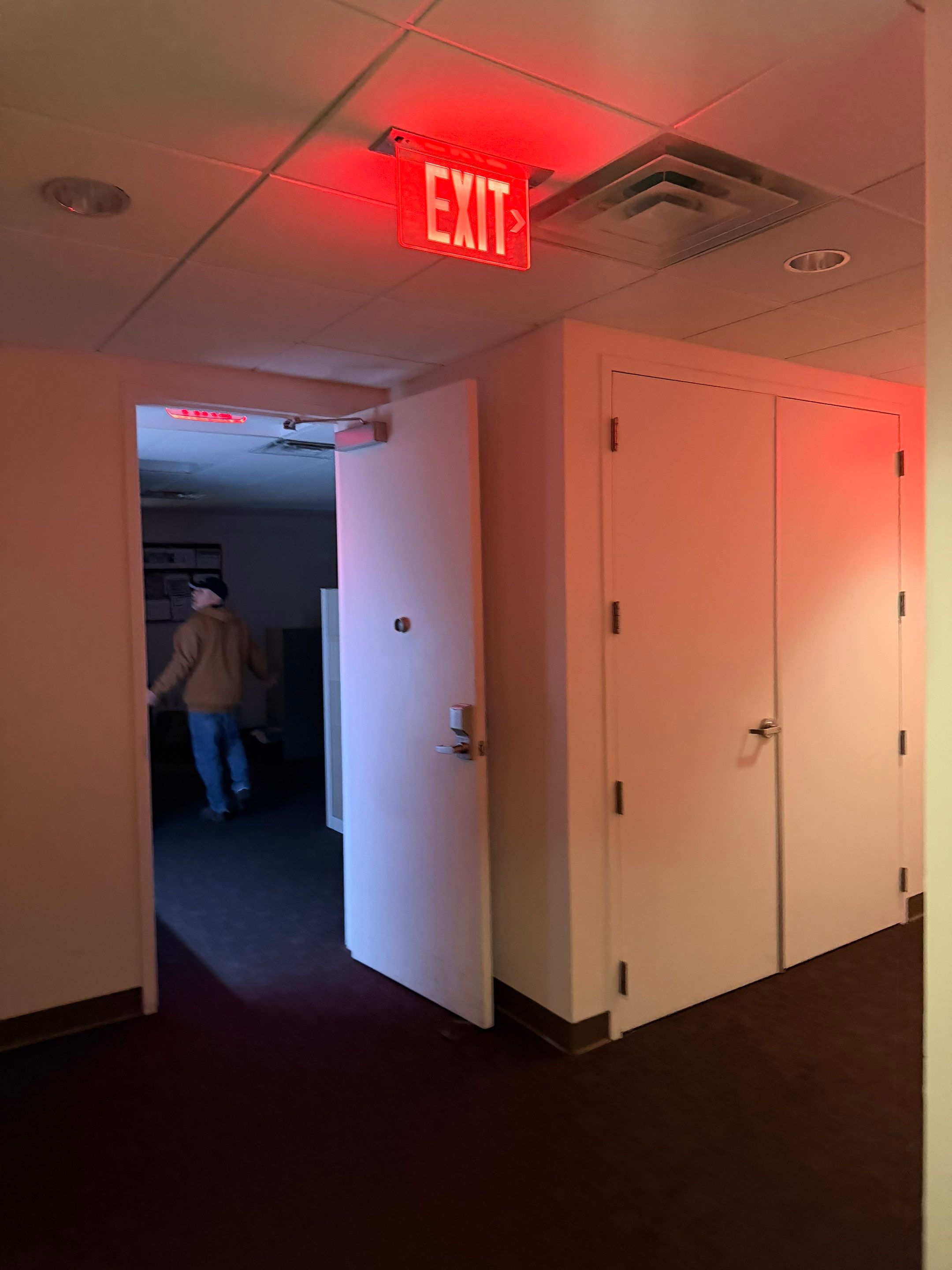
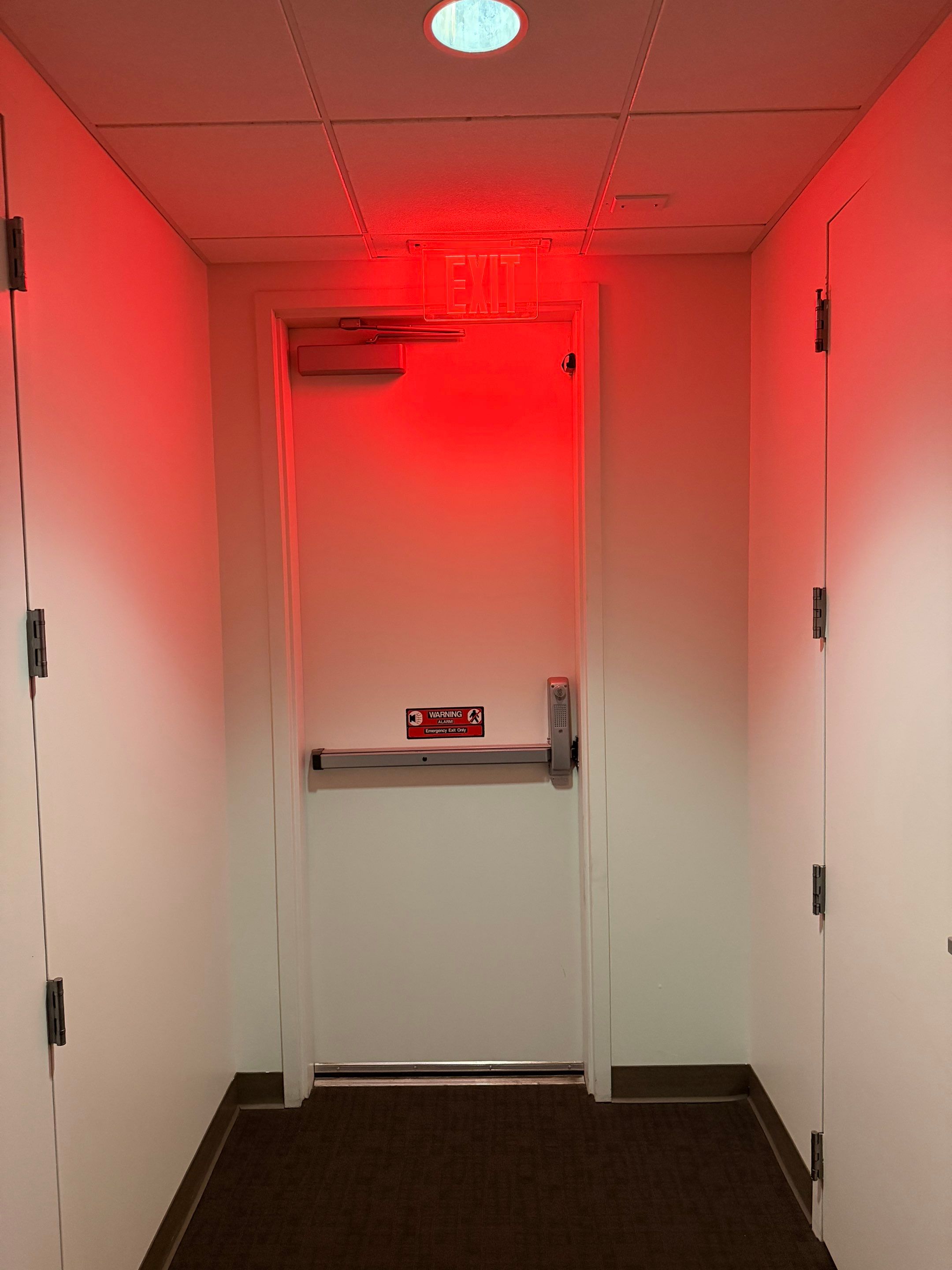
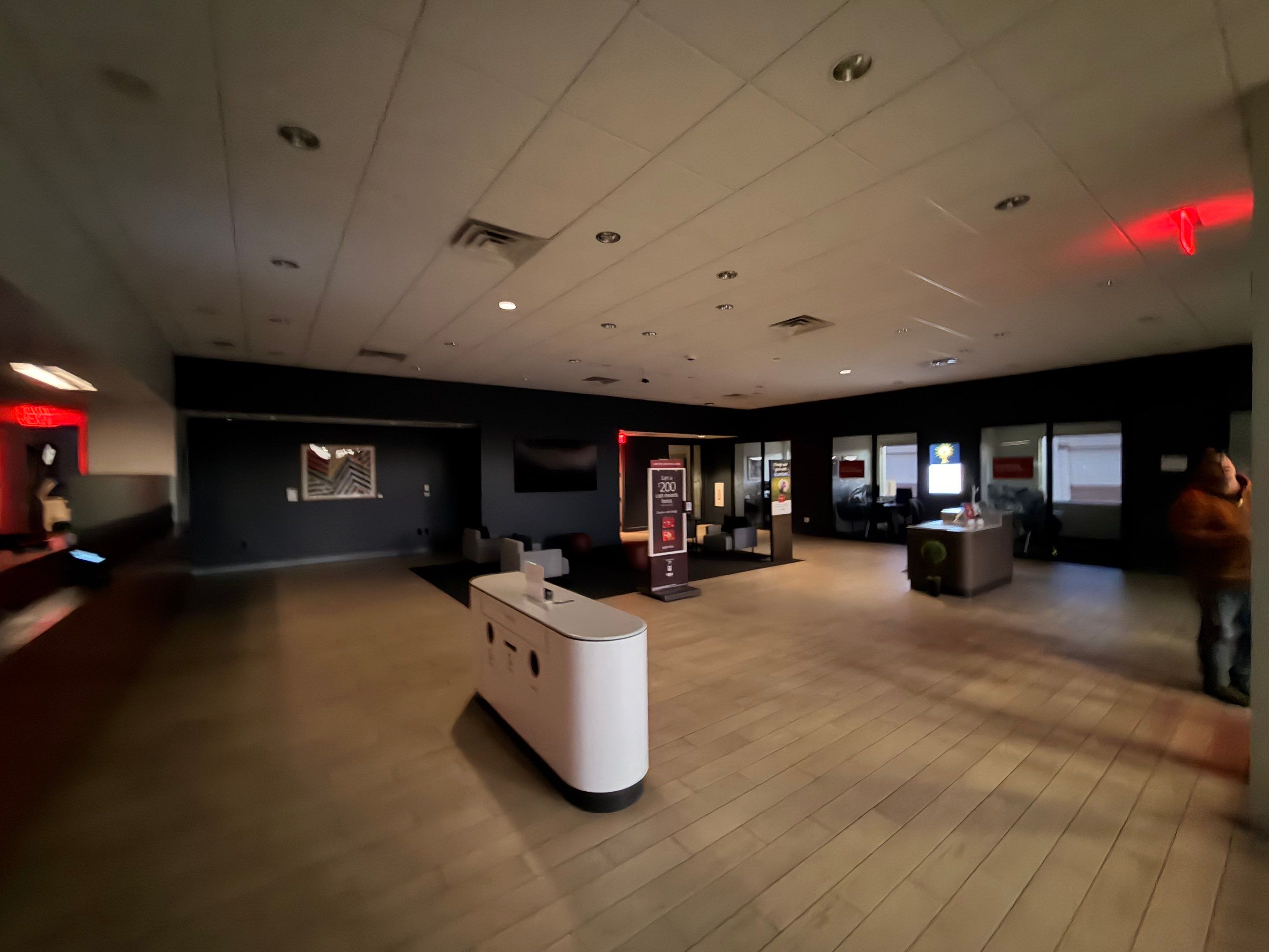
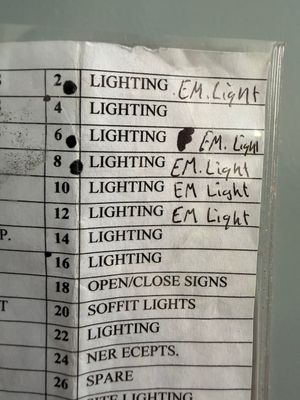
Emergency Lighting Inspection Report Methodology & Process To identify the emergency lighting layout, we systematically de-energized all interior lighting circuits. This allowed us to isolate fixtures equipped with emergency ballasts or battery backups. By identifying which lights remained illuminated while the breakers were off, we successfully traced them back to their respective circuits. We have since updated the panel directory, adding the abbreviation "EM" to the corresponding lighting circuits to clearly denote emergency power. Observations & Findings During the inspection, we conducted a comprehensive walkthrough and recorded video documentation of all active fixtures. Our findings include: • Retrofit Discrepancies: Several fixtures have been retrofitted from fluorescent tubes to LED lamps. • Removed Components: In multiple locations, it appears the original emergency ballasts were removed during the LED transition. We noted vacant "push-to-test" button holes in the fixture housings, suggesting they previously functioned as emergency lights. • Limitation of Testing: Currently, we can only confirm emergency functionality for fixtures that successfully illuminated during the power-drop test. Recommendations & Concerns Because of the previous retrofits, there is a high probability that the current emergency lighting layout no longer meets the original design intent. Critical Note: Without the original as-built drawings or engineered life-safety plans, we cannot verify if the current number of active emergency lights is sufficient to meet code-required illumination levels for egress paths.
Emergency circuit
Project by Salazar Electric

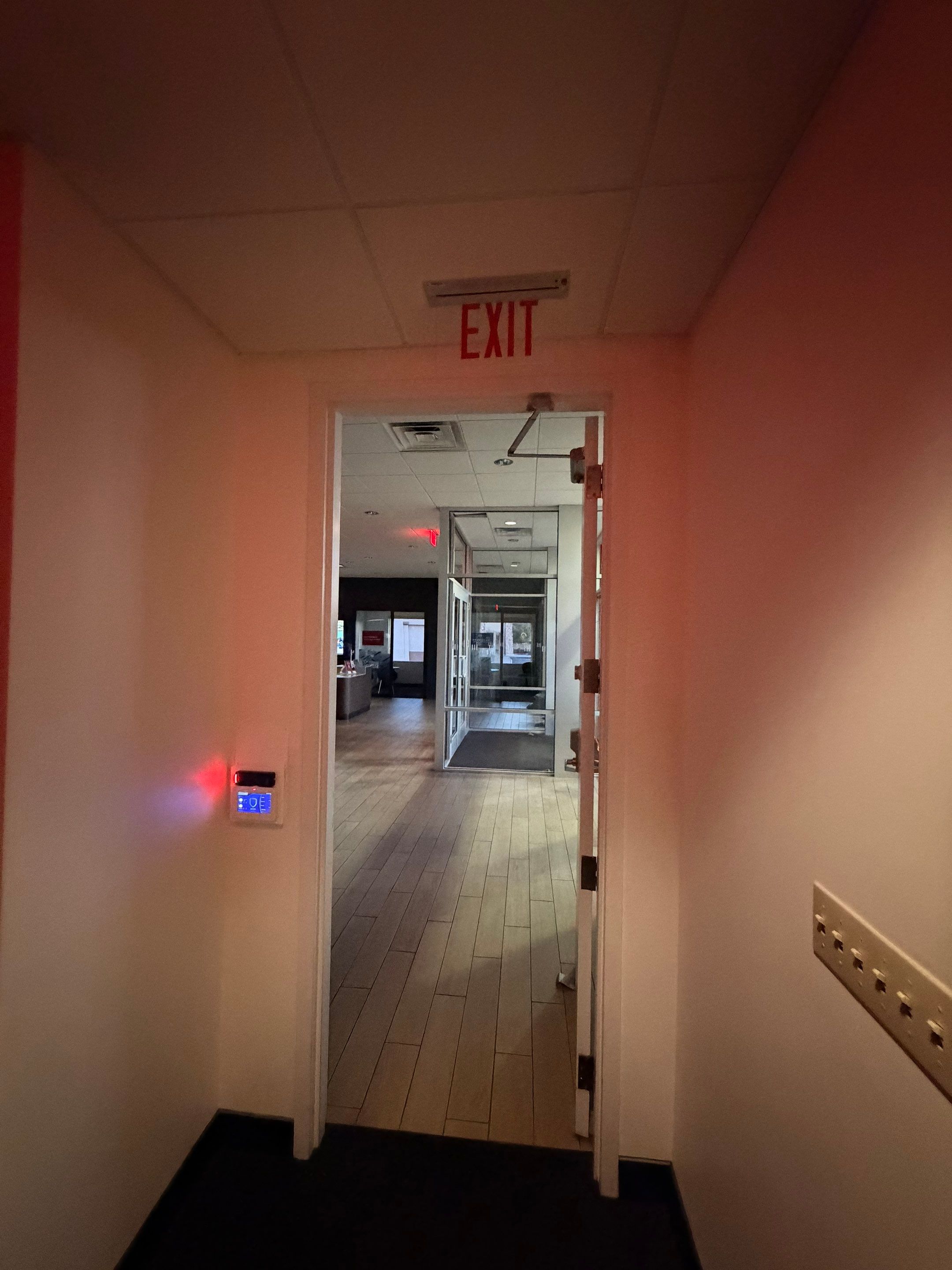
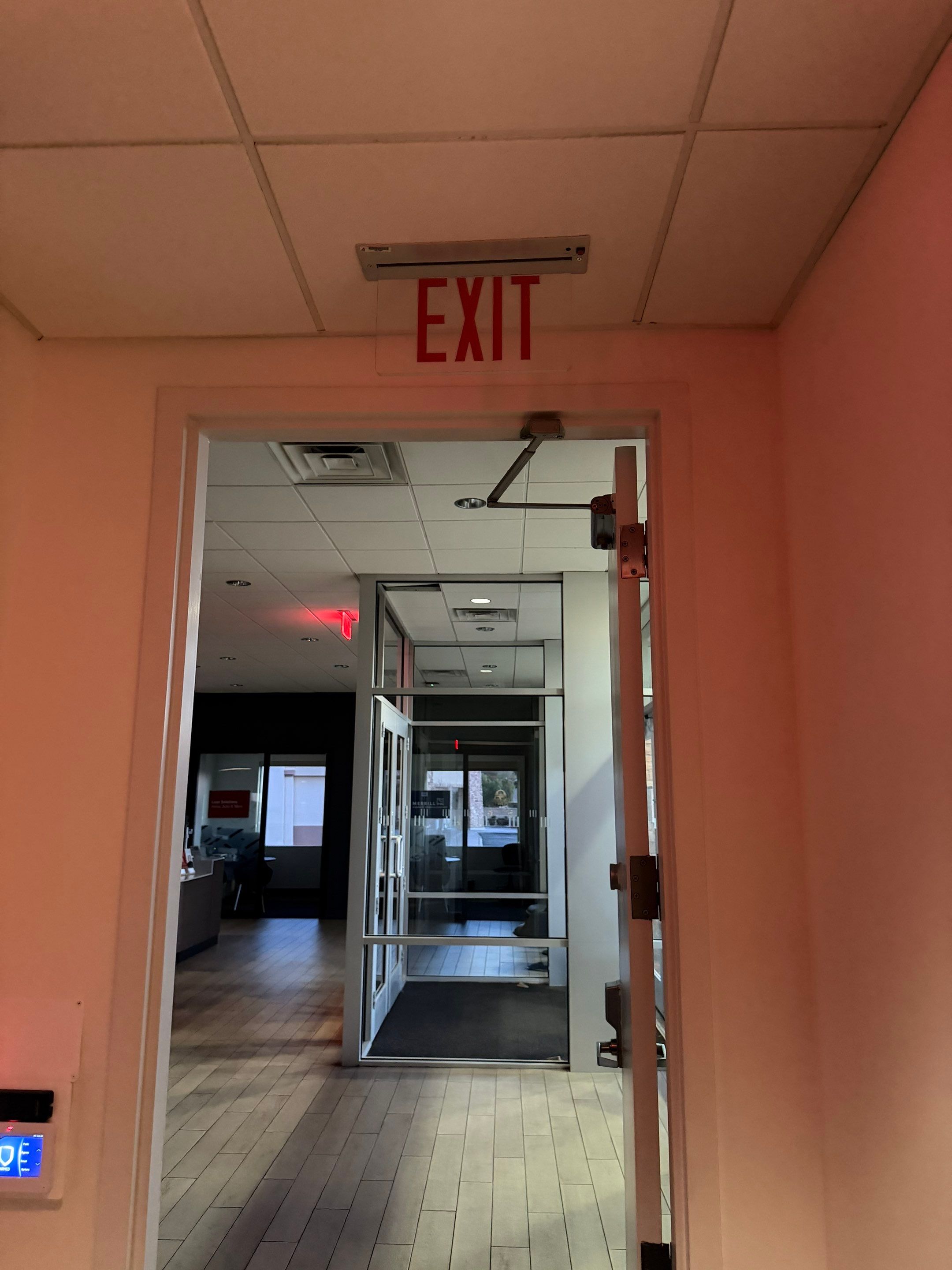
Emergency Lighting Inspection Report Methodology & Process To identify the emergency lighting layout, we systematically de-energized all interior lighting circuits. This allowed us to isolate fixtures equipped with emergency ballasts or battery backups. By identifying which lights remained illuminated while the breakers were off, we successfully traced them back to their respective circuits. We have since updated the panel directory, adding the abbreviation "EM" to the corresponding lighting circuits to clearly denote emergency power. Observations & Findings During the inspection, we conducted a comprehensive walkthrough and recorded video documentation of all active fixtures. Our findings include: • Retrofit Discrepancies: Several fixtures have been retrofitted from fluorescent tubes to LED lamps. • Removed Components: In multiple locations, it appears the original emergency ballasts were removed during the LED transition. We noted vacant "push-to-test" button holes in the fixture housings, suggesting they previously functioned as emergency lights. • Limitation of Testing: Currently, we can only confirm emergency functionality for fixtures that successfully illuminated during the power-drop test. Recommendations & Concerns Because of the previous retrofits, there is a high probability that the current emergency lighting layout no longer meets the original design intent. Critical Note: Without the original as-built drawings or engineered life-safety plans, we cannot verify if the current number of active emergency lights is sufficient to meet code-required illumination levels for egress paths.